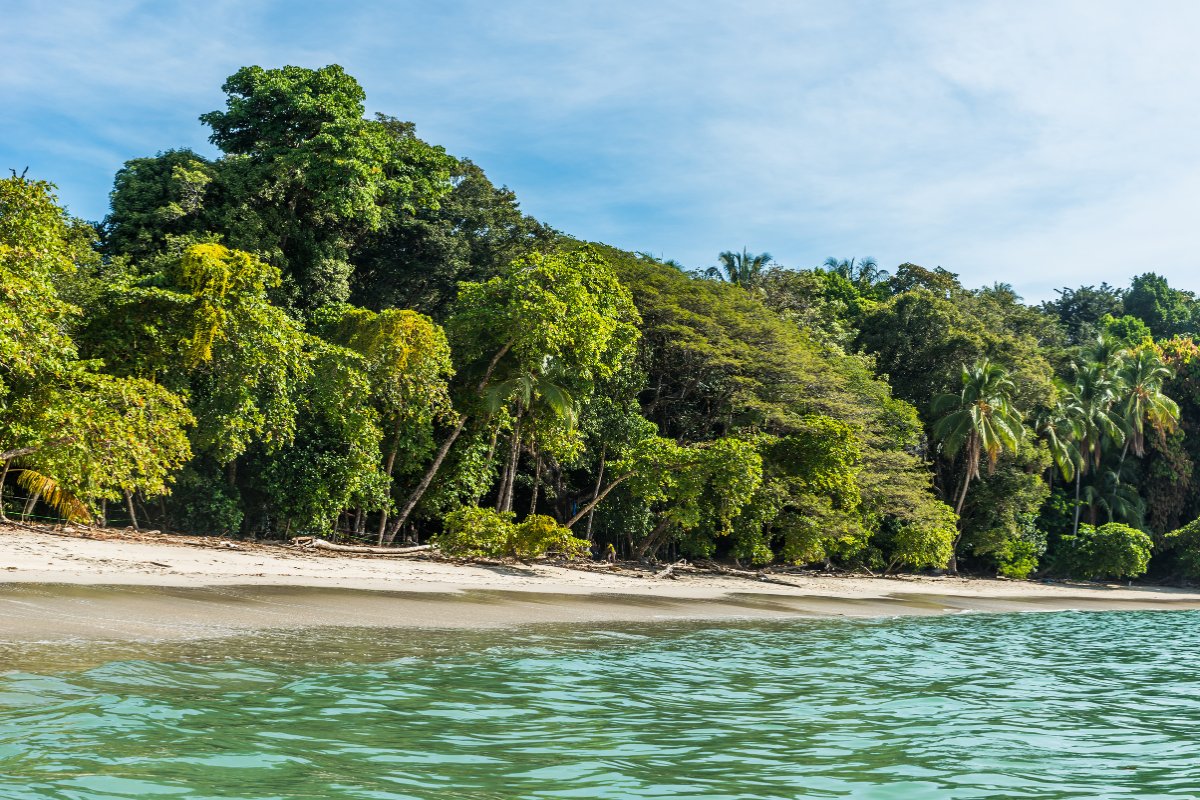
Rainforest, volcanoes and two coastlines make Costa Rica a dream destination for drone pilots, but the country is also very strict about its protected areas. Know the rules and you'll still come home with stunning footage.
Private recreational flights with drones under 25 kg don't require prior registration or a permit from the DGAC for foreign tourists. Commercial use and drones over 25 kg, however, require formal registration, which can take several weeks depending on the case.
Flying is allowed within visual line of sight (VLOS) during daylight hours, up to a maximum altitude of 120 metres in uncontrolled airspace. Minimum distances: 8 kilometres from airports (only allowed within that with DGAC approval) and 30 metres from buildings and people. Flying is generally banned in cities and urban centers.
Flying drones is prohibited without a special permit in all SINAC-managed national parks, wildlife refuges and protected zones - this includes visitor favorites like Manuel Antonio, Arenal, Tortuguero, Corcovado and Monteverde. Park rangers actively enforce this and coordinate with the aviation authority.
Operating an unregistered drone or flying in restricted zones can result in fines starting around USD 1,000, rising to USD 10,000 or more for violations in protected areas or unlicensed commercial use. Confiscation of the drone and a permanent ban from flying in protected areas are also possible.
For recreational flights outside national parks, following the general rules is usually enough. Inside national parks, I always leave the drone packed away and enjoy the scenery from the ground or one of the many viewpoints located outside the protected zones instead.