Search

Where's your next trip?

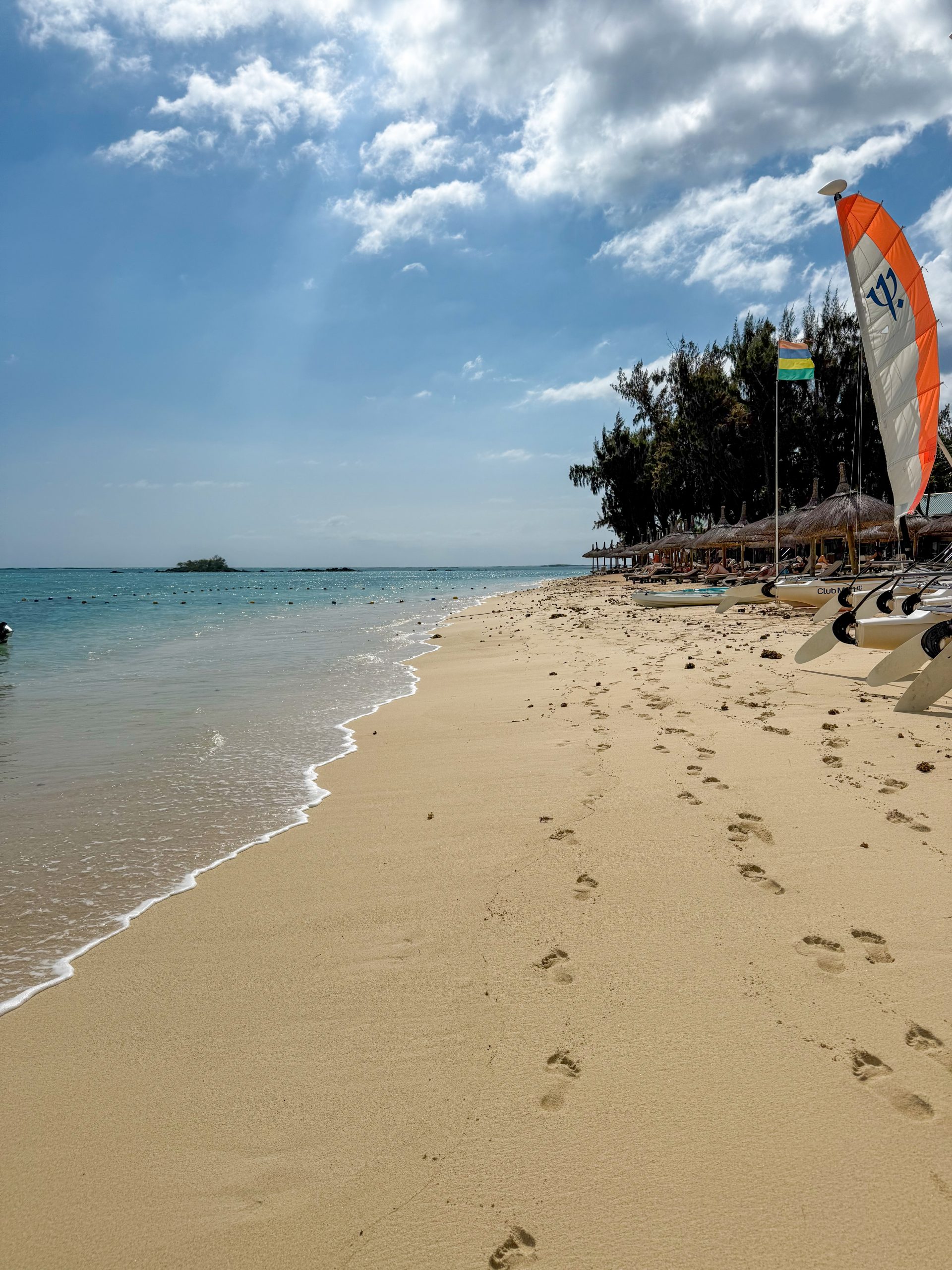
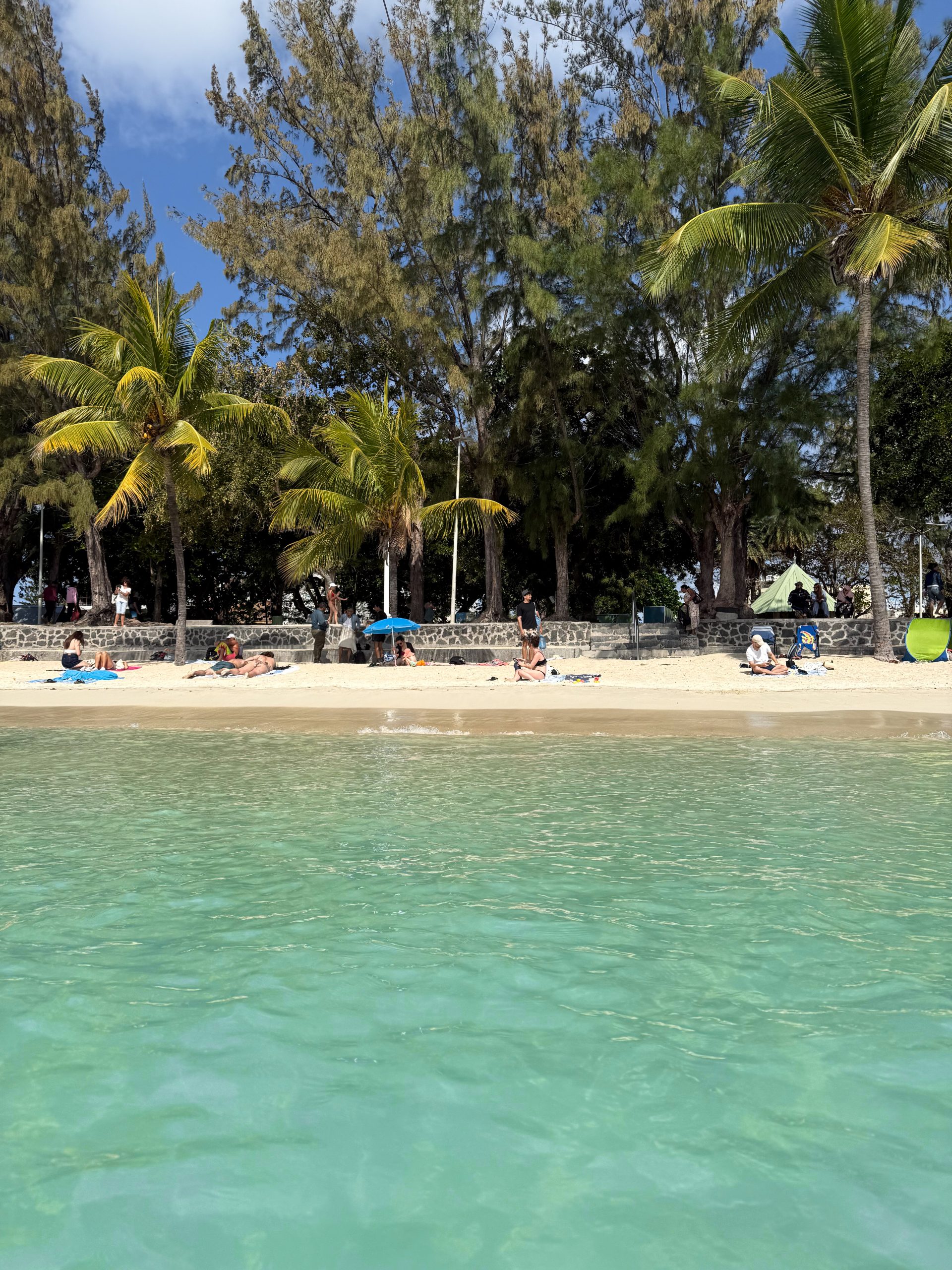
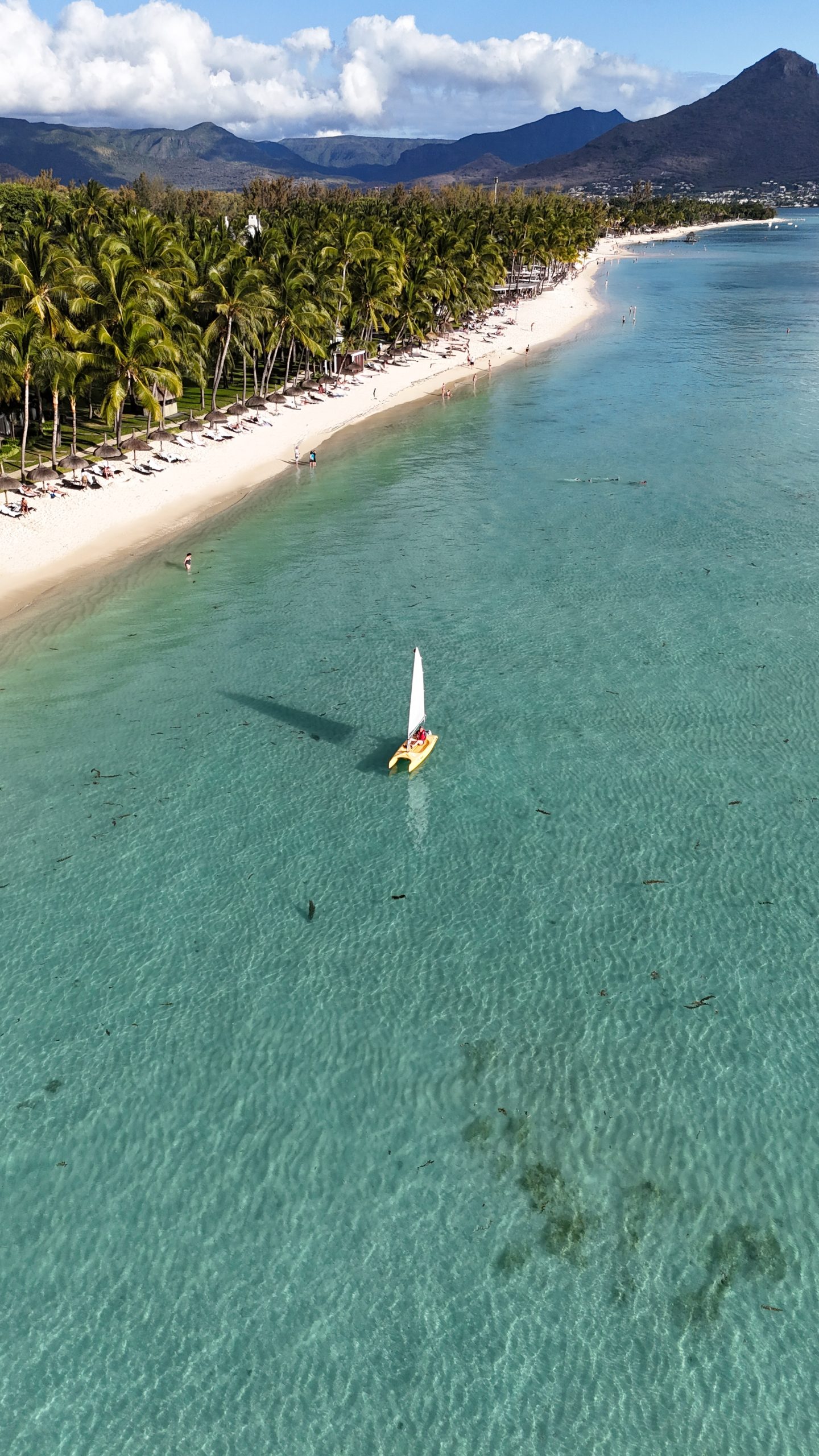
Mauritius, palm-lined beach and turquoise lagoon
HomeDestinationsAfricaMauritius
Destination

Mauritius

approx. 11 hrs from Frankfurt
May–Dec
Beach · Nature · Relaxation
Grand GaubeTrou aux BichesMont ChoisyPereybèreFlic en FlacLe Morne
90 days
Visa-free (DE passport)
May–Dec
Best time
GMT+4
Time zone
MUR
Currency
Country Guide

Why a trip to Mauritius is worth it

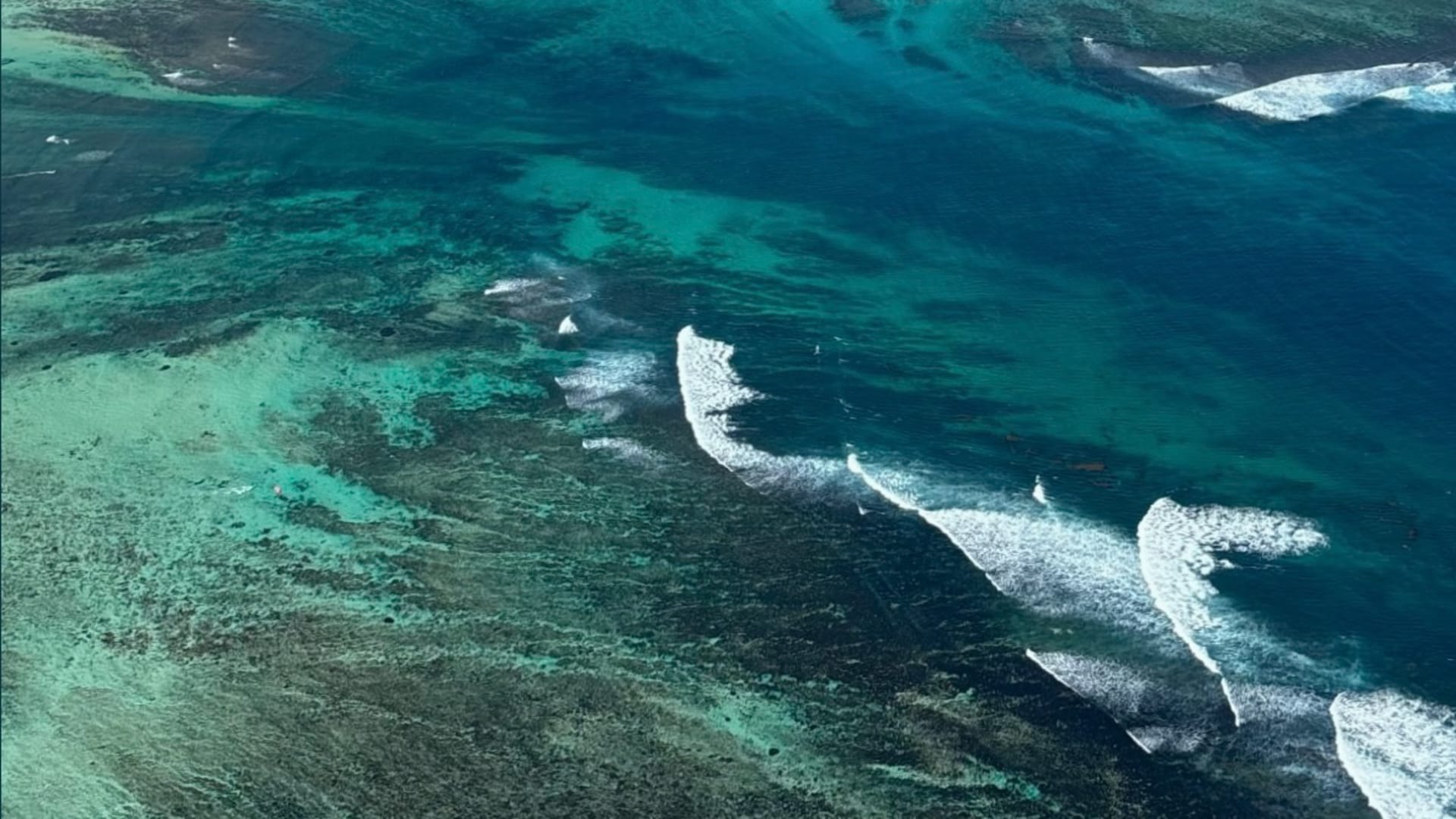
Mauritius sits around 900 kilometers east of Madagascar in the Indian Ocean and has been a classic destination for beach holidays combined with tropical nature for decades. The island is ringed by an almost unbroken coral reef that shelters calm, turquoise lagoons from the open sea.

Beyond the beaches, the island also has a mountainous interior with hiking trails, waterfalls and tea plantations, plus a culturally very mixed population with Indian, African, Chinese and European roots that's reflected in the cuisine too.

Good to know
A near-unbroken reef around the island creates calm, safe lagoons for swimming and snorkeling
Cultural diversity of Indian, Creole, Chinese and French influences, clearly visible in temples, churches and mosques near the coast
Mountainous interior with national parks like Black River Gorges, waterfalls and hiking trails away from the coast
Warm climate year-round, though the island's coasts are affected differently by wind and rain depending on the season
Good tourist infrastructure with resorts for practically every budget, from simple guesthouses to luxury hotels
Interactive Map
Our Stops on the Map

Highlights

Our stops on Mauritius

You'll find accommodations, beaches, food and activities directly on each place's detail page.

Grand Gaube, Mauritius
North coast
Grand Gaube

A quiet former fishing village at the island's northern tip, less touristy than Grand Baie, with a sheltered bay and good access to the offshore islands.

Quieter and more low-key than the better-known neighboring townsA good base for trips to the offshore islands
Trou aux Biches, Mauritius
North coast
Trou aux Biches

One of the island's most beautiful beaches, with fine white sand and a particularly calm, gently sloping lagoon, ideal for swimming and snorkeling.

Fine sandy beach with a calm, turquoise lagoonGreat snorkeling right off the beach
Mont Choisy, Mauritius
North coast
Mont Choisy

One of Mauritius's longest public beaches, lined with tall filao trees that provide shade, popular with locals and travelers alike.

Long, public sandy beach with plenty of spaceShady filao trees right on the beach
Pereybère, Mauritius
North coast
Pereybère

A smaller, family-friendly beach town north of Grand Baie, with a sheltered bay and a somewhat quieter atmosphere than its neighbor.

Sheltered, calm bayA bit more relaxed than nearby Grand Baie
Flic en Flac, Mauritius
West coast
Flic en Flac

A long stretch of beach on the west coast, known for particularly beautiful sunsets and calm water thanks to an offshore reef.

Miles of sandy beach on the west coastPopular for sunsets and diving trips
Le Morne, Mauritius
Southwest coast
Le Morne

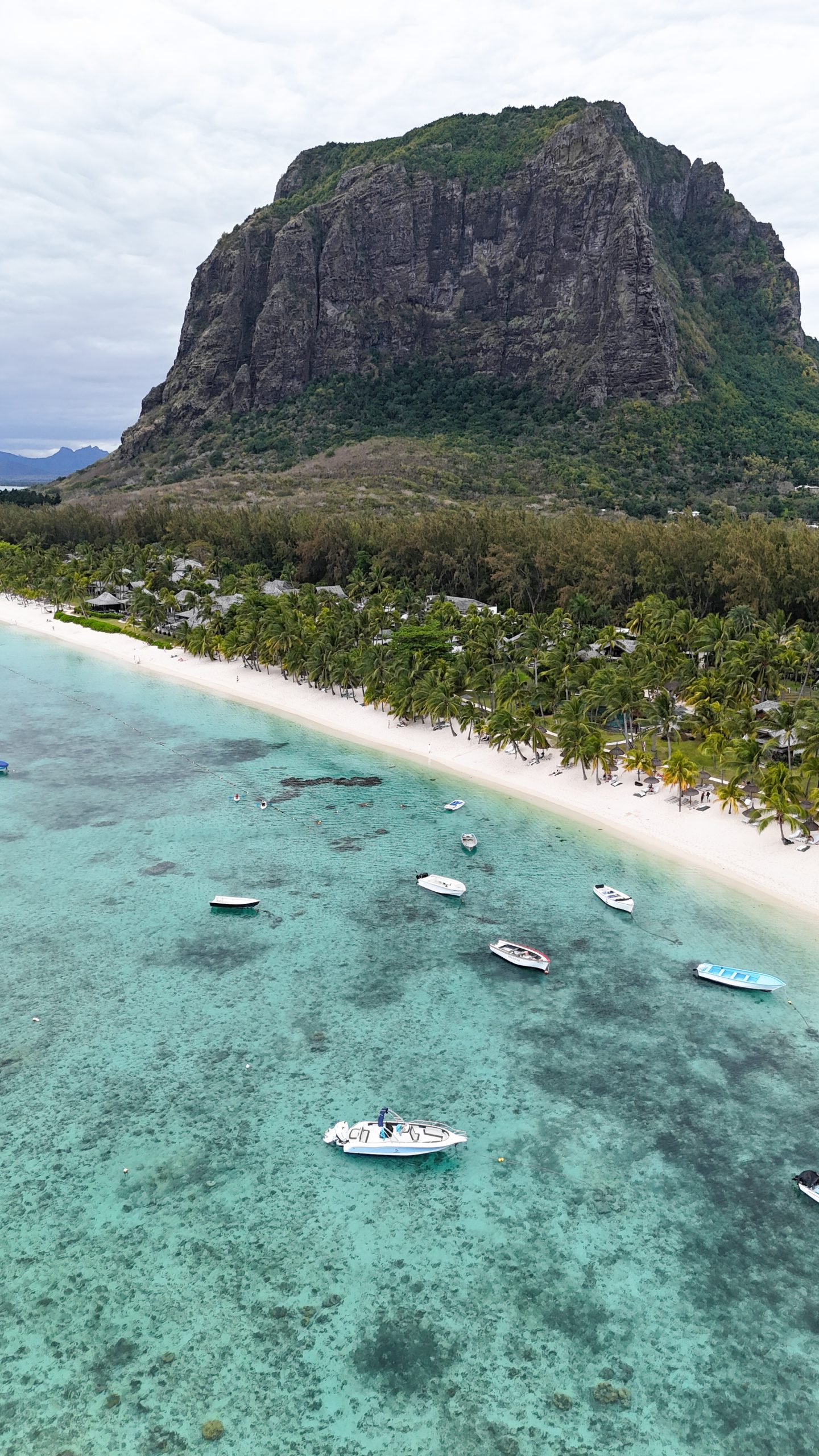
A peninsula in the island's southwest, dominated by the striking Le Morne Brabant (a UNESCO World Heritage Site), surrounded by one of the island's most beautiful lagoons and known as a kitesurfing spot.

The striking table mountain Le Morne Brabant, a UNESCO World Heritage SiteA dreamy lagoon with the famous 'underwater waterfall' viewA popular spot for kitesurfing and windsurfing
Everything You Need to Know

Practical Info

✈️
Getting there & transport

Direct flights are available seasonally from a few German airports, usually a layover (e.g. via Paris, Dubai or Istanbul) is needed. On the ground, a rental car is recommended for flexibility, alternatively taxis or organized excursions.

🚗
Getting around

There are several options on the island: car (ideal for flexibility), scooter (handy for short distances), bus (very cheap, dense route network) or shared taxi (a bit pricier than the bus, but faster). We opted for a rental car, clearly the best choice for exploring the island at your own pace.

Our Toyota Vitz (automatic) was handed over right at the airport, a rental company employee was waiting with a name sign, easy and friendly. Cost: about €27 per day for a 16-day rental, fully comprehensive insurance with no deductible, full-to-full fuel policy (one full tank for about €35 lasted the whole trip). Mauritius drives on the left, which you get used to quickly, and the roads are mostly in good condition.

🏨
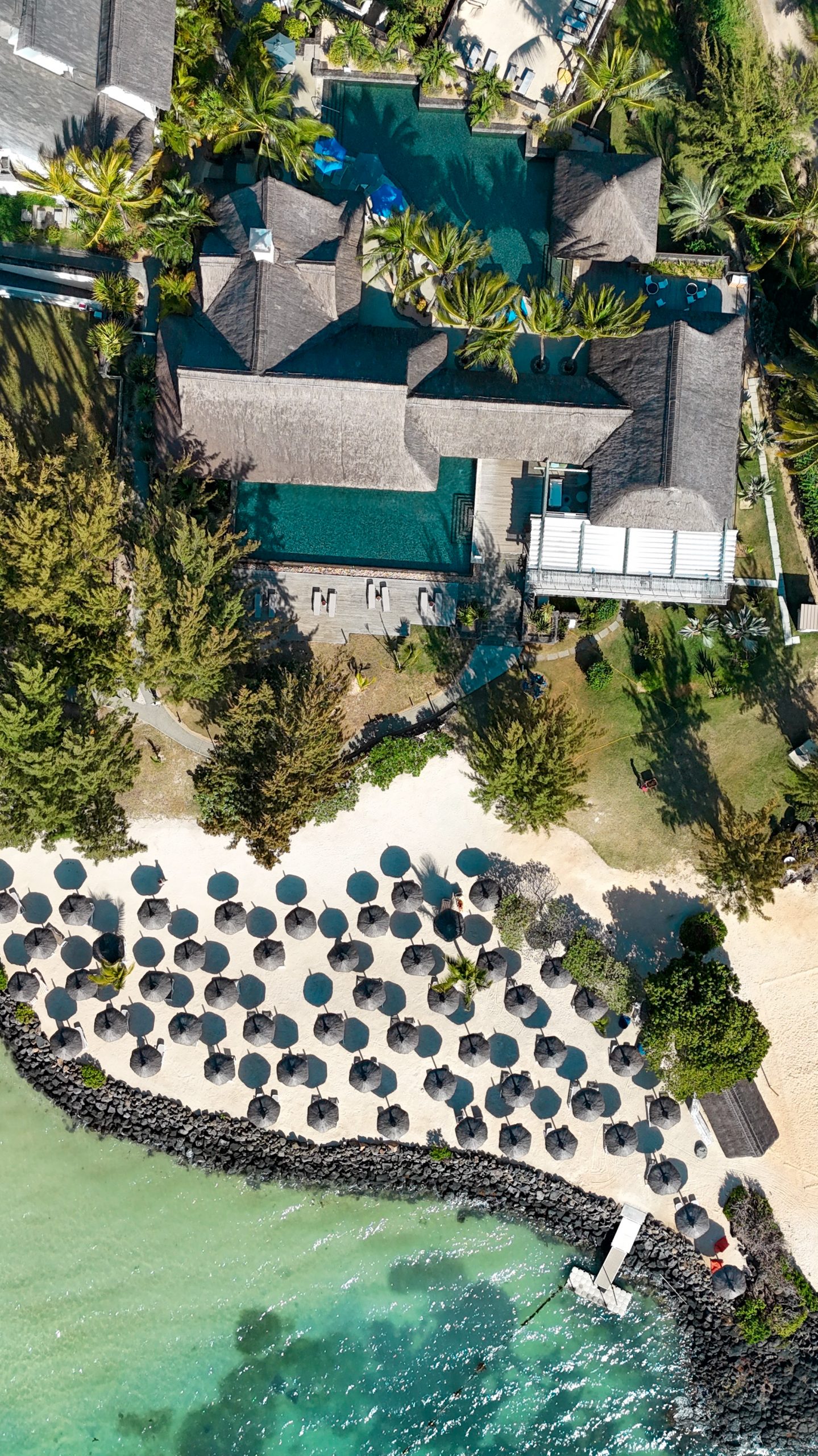
Accommodation

Everything is represented, from guesthouses and small B&Bs to well-known all-inclusive resort chains. The west coast is considered sunnier and more sheltered from wind, the east coast a bit windier, which water sports fans often prefer.

🍜
Food & drink

Mauritian cuisine blends Indian, Creole, Chinese and French influences, curries, dholl puri and fresh fish are typical. Tap water is generally considered safe in tourist areas, but bottled water is the safer choice if in doubt.

🎒
Packing list

Light, breathable clothing, swimwear and sun protection matter year-round on Mauritius. For hikes in the mountainous interior (e.g. Black River Gorges), sturdy shoes and a light rain jacket are worth packing.

Good sunglasses and waterproof sunscreen are especially important given the proximity to the equator. An adapter (Type C/G, 230V) and swimming or snorkeling gear, which can also be rented cheaply on site, round out the packing list.

🚁
Drone rules

Camera drones must be registered with the civil aviation authority (DCA) in Mauritius, and each individual flight additionally requires a paid permit. Flying is only allowed on private property with the owner's permission, public beaches are off-limits.

Many resorts have their own rules about flying drones over their property, so it's worth checking with your accommodation before takeoff. Since regulations can change, it's worth doing current research with the Mauritian aviation authority before your trip.

Full drone guide for Mauritius →
💊
Health & safety

No mandatory vaccinations for travelers from Germany, standard immunizations should be up to date. Malaria plays practically no role on Mauritius, though mosquito protection is still worthwhile due to occasional dengue cases.

Medical care on the island is good by African standards, Port Louis and larger towns have hospitals with a decent standard. For more serious treatment or emergencies, though, repatriation to Europe is often advisable, which is why travel health insurance with repatriation cover is recommended. Sun protection is especially important given the proximity to the equator, as is enough drinking water on inland hikes. As with any long-haul destination, individual travel health advice before departure is worthwhile, for instance regarding booster shots.

🙏
Culture & etiquette

Mauritius is religiously and culturally very diverse, with Hindu temples, Christian churches and mosques often right next to each other. Modest clothing when visiting religious sites and a respectful tone are appreciated, tipping in restaurants and on tours is customary but not mandatory.