Search

Where's your next trip?

Portugal, old town alleys and view of the Atlantic
HomeDestinationsEuropePortugal
Destination

Portugal

approx. 3 hrs from Frankfurt
Apr–Oct
Coast · Culture · Cuisine
No visa
Entry (DE passport)
Apr–Oct
Best time
GMT+0
Time zone
EUR
Currency
Country Guide

Why a trip to Portugal is worth it

Portugal sits at the westernmost edge of Europe and is shaped by the Atlantic: rugged cliffs and long sandy beaches along the Algarve and the west coast, plus the charming old towns of Lisbon and Porto with their tiled façades and steep alleyways.

Inland, green wine regions like the Douro Valley await, while the north shows off a quieter, more nature-driven side of the country with dense forests and national parks. For German travelers, Portugal is easy to reach and counts as one of the more affordable Western European destinations.

Good to know
Over 800 kilometers of Atlantic coastline with beaches for surfers and sun-worshippers alike
Two very different big cities: hilly Lisbon and craft-focused Porto
Well-known wine regions such as the Douro Valley and the island of Madeira
Moderate prices for accommodation and food by European standards
Uncomplicated for German travelers as an EU country, no visa needed, euro as currency
Interactive Map
Our Stops on the Map

Highlights

Our stops in Portugal

You'll find accommodations, beaches, food and activities directly on each place's detail page.

Lisbon, Portugal
Capital
Lisbon

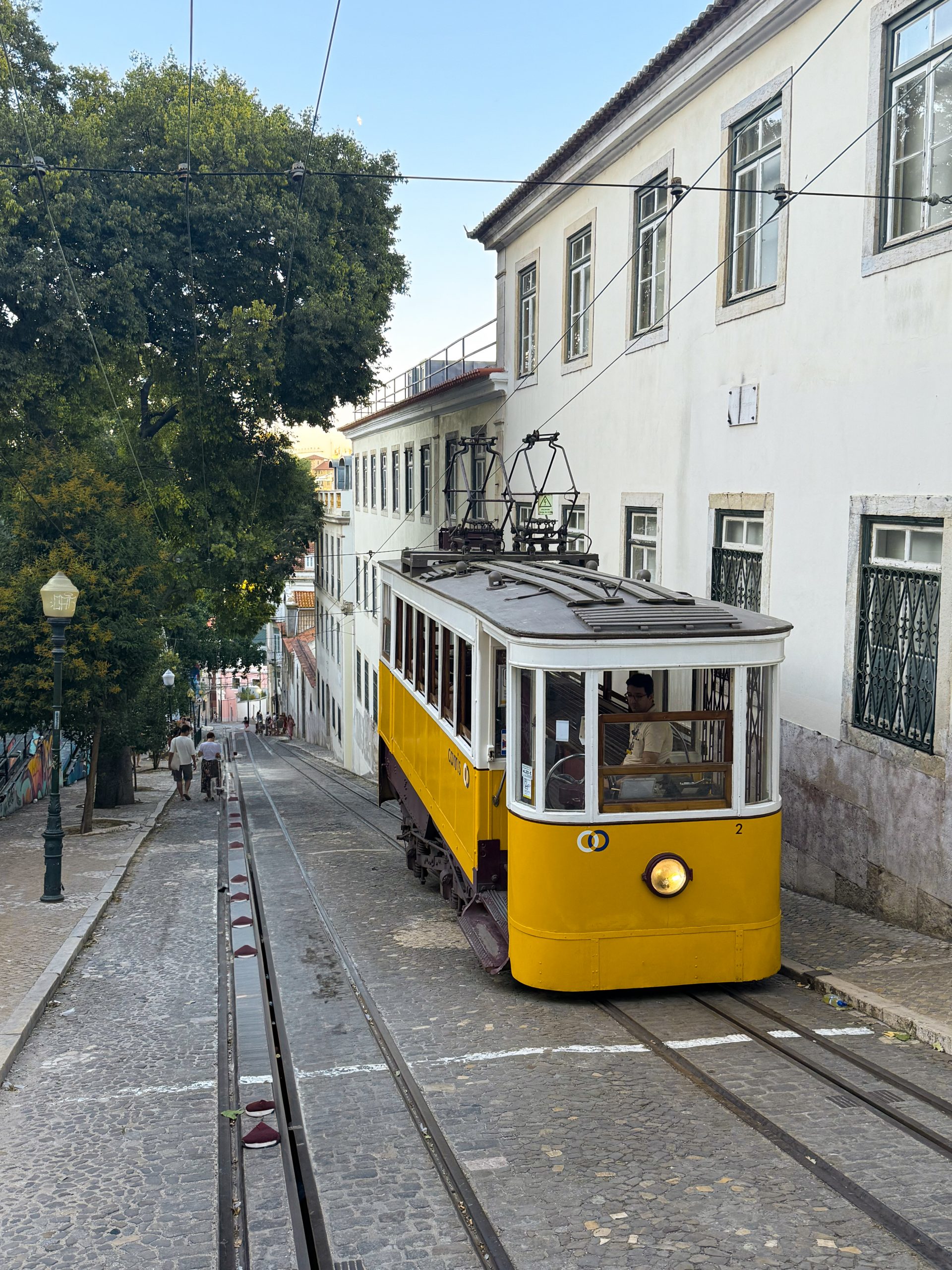
Portugal's hilly capital, with tiled façades, historic trams and a lively mix of tradition and modern culture.

Historic tram line 28 through the old town neighborhoodsTiled façades and viewpoints (miradouros)Belém with its monastery and pastéis de nata
Madeira, Portugal
Island in the Atlantic
Madeira

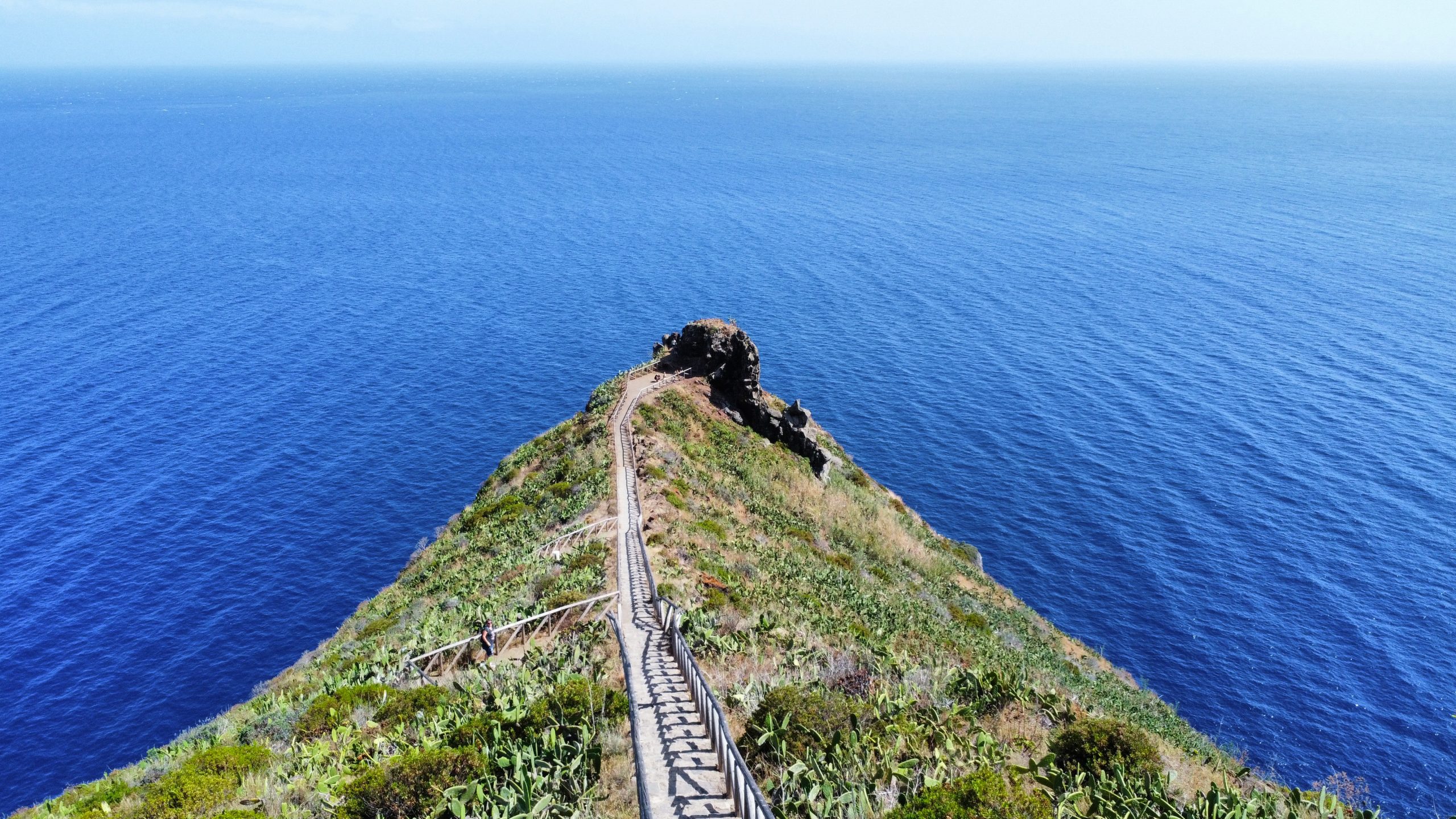
A volcanic island in the Atlantic with dramatic cliff coastlines, levada hiking trails through lush nature and the capital city of Funchal.

Levada hiking trails through laurel forestsDramatic cliff coastline and viewpointsThe capital Funchal with its market and old town
Everything You Need to Know

Practical Info

✈️
Getting there & transport

Direct flights from several German airports to Lisbon, Porto or Faro, flight time around 3 hours. Good train connections run between the bigger cities, while a rental car is practical for the Algarve coast or rural regions.

🏨
Accommodation

Everything from simple guesthouses to design hotels in converted manor houses (pousadas). In Lisbon, Porto and along the Algarve, it's worth booking early in high season.

🍜
Food & drink

Fish and seafood play a central role, think grilled sardines or bacalhau (dried salted cod). Sweet pastries like pastéis de nata are found all over the country. Tap water is generally safe to drink.

🎒
Packing list

For the coastal regions, swimwear, sun protection and comfortable shoes for cobblestones are important, and on the Algarve and Madeira it's also worth packing light hiking gear for coastal paths and levadas.

A light jacket is useful even in summer for cooler evenings and windy coastal stretches, and in spring and fall a rain layer can come in handy too. No adapter is needed for travelers from Germany, since Portugal uses the same sockets (Type C/F).

🚁
Drone rules

EU-wide drone regulations apply in Portugal, and registration with ANAC (Autoridade Nacional da Aviação Civil) is required for most drones over 250 grams. Additional restrictions apply in Lisbon and over densely populated areas.

Flying is often restricted or requires a permit in nature parks, over historic buildings and near airports, which also applies to parts of Madeira. Before your trip it's worth checking the current ANAC rules, since regulations can change.

💊
Health & safety

No special vaccinations are required, standard immunizations should be up to date. As an EU country, the European Health Insurance Card applies, though supplementary travel health insurance is still recommended. Portugal is generally considered a very safe destination.

🙏
Culture & etiquette

The Portuguese value politeness and a calm tone, loud behavior is rarely appreciated. Modest clothing is appropriate in churches and monasteries. A tip of around 5–10 percent is customary in restaurants, though not obligatory.