Search

Where's your next trip?

Cuba, colorful colonial buildings in Havana
HomeDestinationsNorth AmericaCuba
Destination

Cuba

approx. 11–13 hrs (usually with a layover, e.g. Madrid)
Nov–Apr
Culture · Beach · Music
Visa (eVisa) required
Entry (DE passport)
Nov–Apr
Best time
GMT-5
Time zone
CUP
Currency
Country Guide

Why a trip to Cuba is worth it

I lived in Havana for two weeks and then spent another week and a half traveling across the country, from Varadero to Viñales to Trinidad. Cuba is shaped by a unique mix of Spanish colonial architecture, Caribbean nature and a lively music culture you hear on every corner. Havana's old town is a UNESCO World Heritage Site and considered one of the best-preserved colonial cities in Latin America.

Economically and politically, Cuba differs noticeably from other Caribbean destinations, which you also notice in everyday travel: payments, internet access and the availability of goods work differently than in most neighboring countries. I wish I'd had more honest preparation before my trip, especially around food shortages and cash, so in this guide I deliberately cover the downsides too. If you prepare for it, you'll still experience a destination with a character all its own.
Good to know
Havana's old town (Habana Vieja) with UNESCO World Heritage status
Dream beaches like Varadero and the offshore cayos to the north
Vibrant music and dance culture, from son to salsa
Vintage American cars still shape the streetscape today
Tobacco and rum tradition, including in the growing region of Viñales
Interactive Map

Our Stops on the Map

Highlights

My stops in Cuba

You'll find accommodations, beaches, food and activities directly on each place's detail page.

Havana, Cuba
Capital
Havana

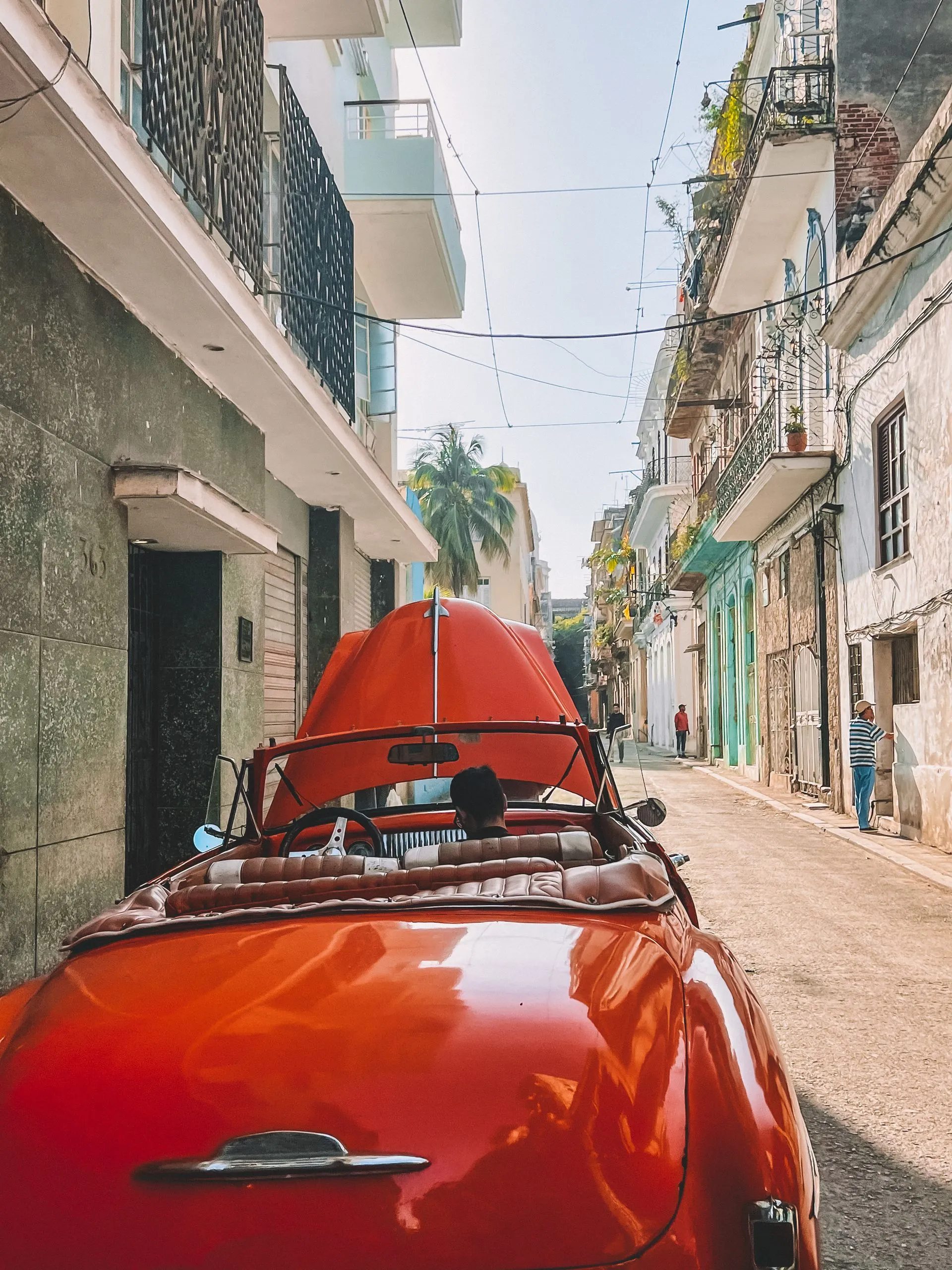
Cuba's capital, with the UNESCO-protected old town Habana Vieja, the historic Malecón, colorful colonial facades, vintage cars and live music on every corner. This is where I lived for two weeks and got to know Cuba's everyday life.

Habana Vieja – UNESCO World Heritage old town with the MalecónRides in classic American carsLive music and jazz in bars like the Fábrica de Arte CubanoHistoric cocktail bars like La Bodeguita del Medio
Varadero, Cuba
Caribbean coast, Hicacos Peninsula
Varadero

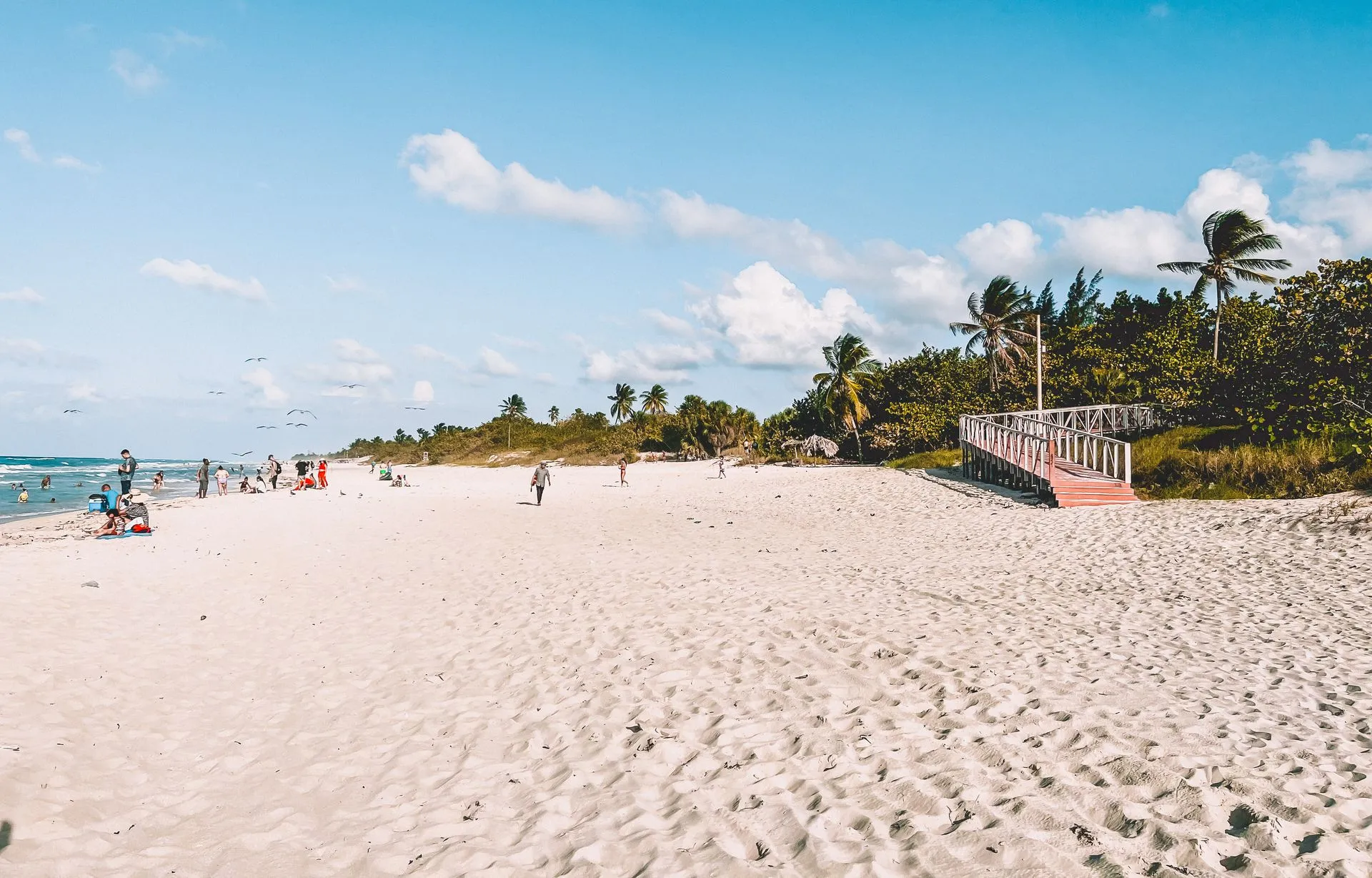
Cuba's best-known beach region on the narrow Hicacos Peninsula, with over 20 kilometers of white sandy beach and turquoise water along the Atlantic coast, noticeably more touristy than the rest of the country.

Over 20 km of fine, white sandy beach along the Hicacos PeninsulaBoat trip to Cayo Blanco island with snorkeling stopsCueva de Saturno cenote for swimming
Trinidad, Cuba
South coast, Sancti Spíritus province
Trinidad

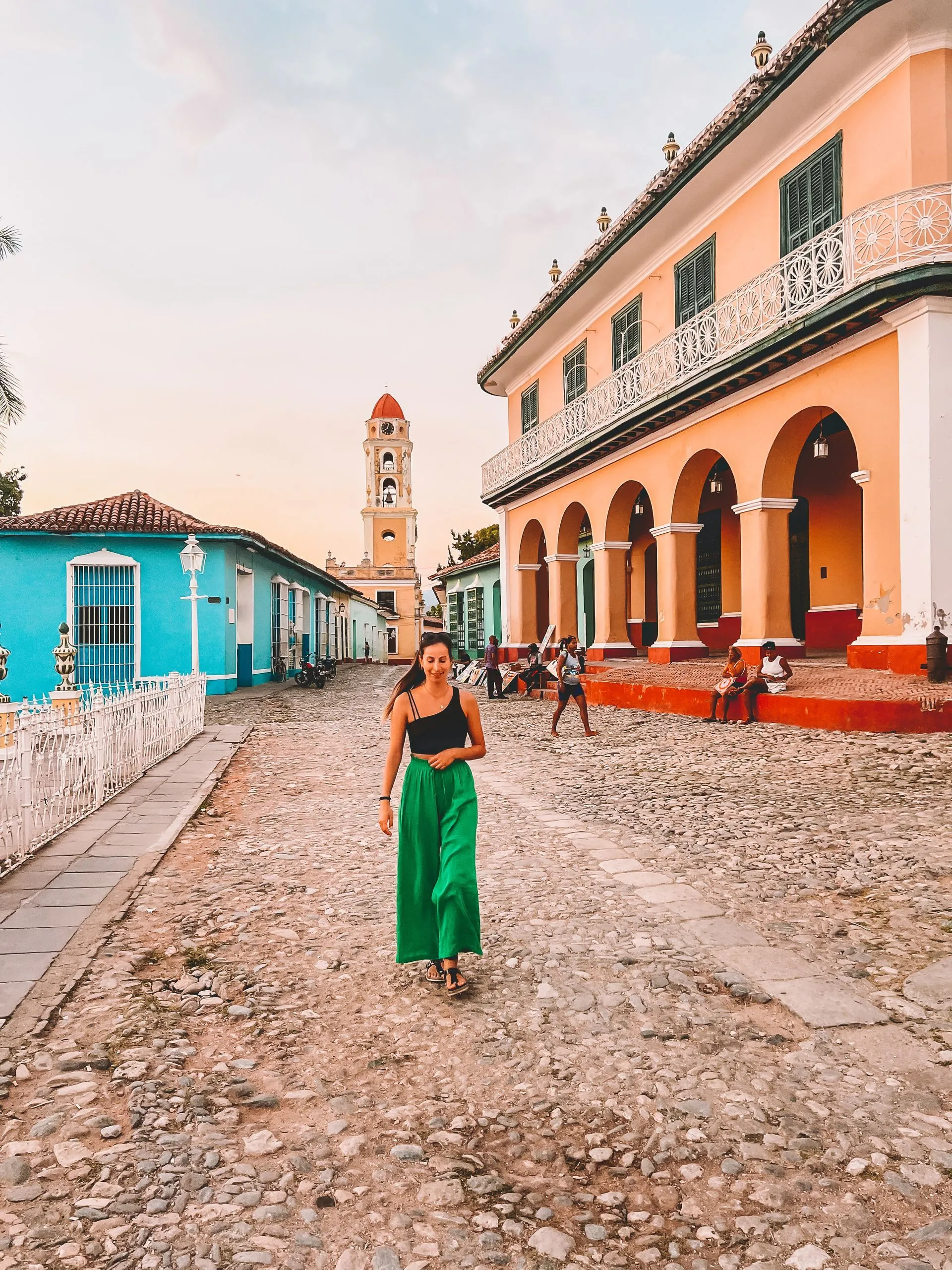
A beautifully preserved 16th-century colonial town on Cuba's south coast, with cobblestone streets, pastel-colored houses and the Plaza Mayor at its heart, like an open-air museum, surrounded by mountains and nearby dream beaches.

Cobblestone streets and colonial architecture around the Plaza MayorHike in Topes de Collantes National Park / Parque GuanayaraStopovers in Santa Clara (Che Guevara Memorial) and Cienfuegos
Viñales, Cuba
Western Cuba, Pinar del Río
Viñales

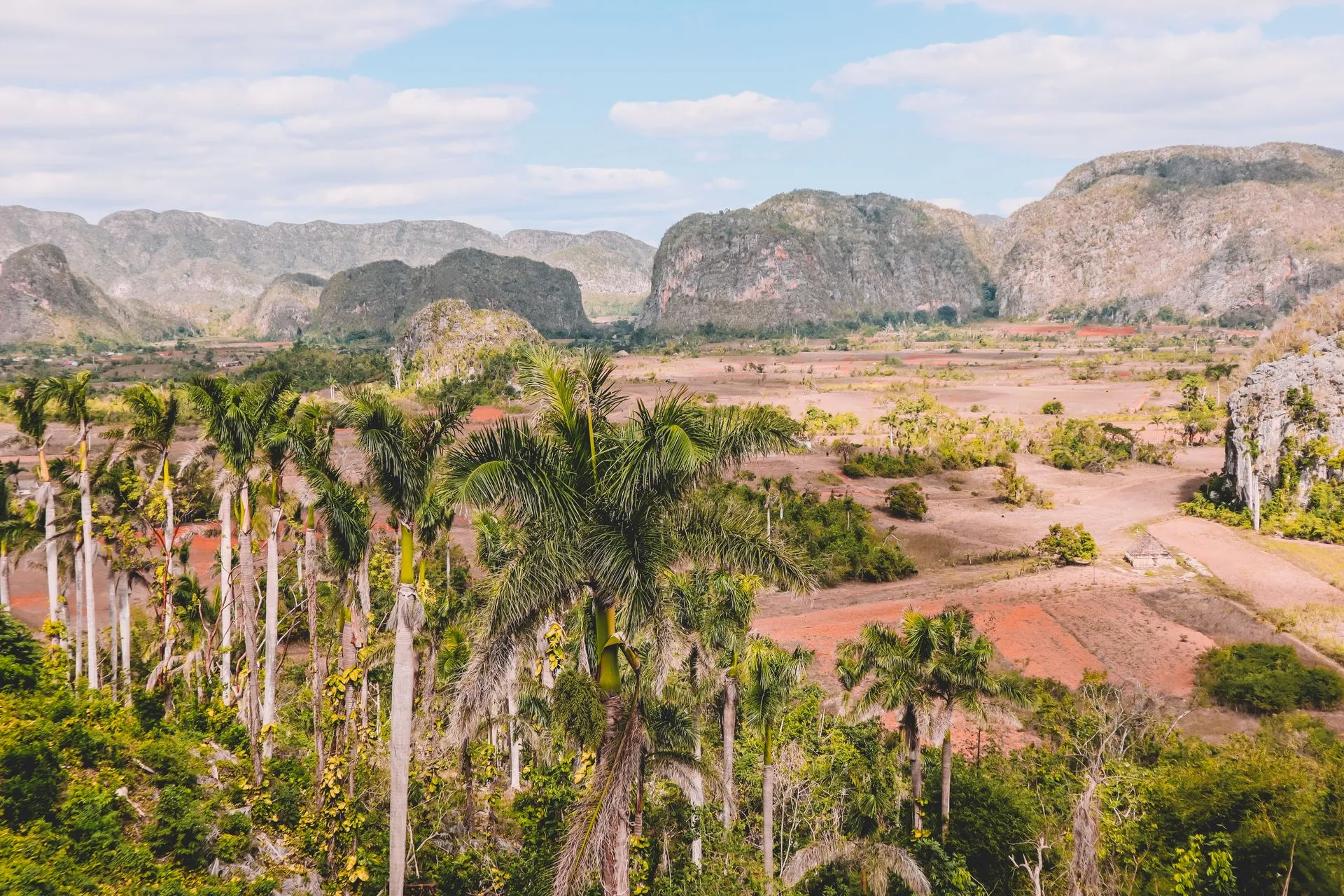
An agricultural valley in western Cuba, known for tobacco growing and the striking limestone hills (mogotes) that define the landscape, a relaxed small-town feel and a starting point for trips to some of Cuba's most beautiful beaches.

Tobacco plantations and traditional cigar-makingStriking mogote limestone hills and a viewing platformDay trips to the dream beaches of Cayo Jutías and Cayo Levisa
The best place to buy cigars is at hotels or cigar shops (from around $8) or directly at a tobacco plantation, like I did for around $4 apiece, quality at street stalls is usually poor despite the $1 price. Rum like Santiago de Cuba or Havana Club is noticeably cheaper at the supermarket (around $21) than in tourist shops.
Everything You Need to Know

Practical Info

✈️
Getting there & transport

I flew with Air Europa from Frankfurt via Madrid to Havana (around 13 hrs, about €800 including extra luggage), some European airlines also offer seasonal direct flights. Locally I traveled between cities by shared taxi, private taxi, guided tour and the Viazul long-distance bus.

Shared taxis (colectivos) are usually the cheapest and most sociable option (around $25–35 per person), private taxis cost about $90 per leg. Viazul buses are cheap, but tickets are often sold out a day before departure, so book early. For booked return trips, always double-check the noted departure time, mine was once entered incorrectly, which made me miss the bus.

🏨
Accommodation

I stayed exclusively in casas particulares and Airbnbs with Cuban families, which was, for me, the most authentic and personal way to get to know Cuba. In Havana, for longer stays I'd choose a quieter neighborhood like Vedado instead of right in the noisy old town.

When booking, it's worth clarifying in advance which currency can be used for arrival and check-out payments, in my case this was sometimes handled differently on the spot than agreed. Breakfast and dinner are often freshly prepared at the casas for an extra charge (around $5–10 per person) and are usually a good, uncomplicated option.

🍜
Food & drink

Cuban cuisine is based on rice, beans, pork, fish and tropical fruit. Due to supply shortages, restaurant offerings can be limited, and it was sometimes difficult for me as a vegetarian in particular. You shouldn't drink tap water, and even boiled water takes some getting used to taste-wise.

I often stood in line for 30–45 minutes outside supermarkets and candy shops, and bottled drinking water wasn't always available in supermarkets either. If you're vegan or vegetarian, pack some milk/oat drink powder or dried goods, since plant-based alternatives are barely available locally.

📱
SIM & internet

Cuba has only one mobile provider, ETECSA, there are no international providers like Vodafone. SIM cards are advertised at the airport but not actually sold there, I bought mine at an ETECSA shop in the city (passport required).

For tourists in 2025, for example, there's Cubacel Tur Plus (10 GB, 100 minutes, 100 SMS, unlimited WhatsApp & Facebook, 30 days, around $35) or Tur Básico (4 GB, 20 minutes, 20 SMS, 7 days, around $14). For shorter stays Básico is enough, for longer trips Tur Plus is worth it. It's worth installing a VPN app before your trip, WiFi is usually only available via hotspot cards in hotels or in public squares.

🎒
Packing list

Light, breathable clothing, a sweater for cooler evenings, swimwear and sturdy shoes for cobblestones belong in your bag. Since many everyday products are hard to find in Cuba, I recommend bringing toiletries, sunscreen and plenty of mosquito repellent.

Cash in euros or US dollars is indispensable in Cuba, I'd budget around €500 per week per person, since card payments often don't work and ATMs only pay out small amounts at a poor exchange rate. An adapter (Type A/B/C, sometimes also L, 110V/220V depending on the accommodation) and a power bank are also worth having. A small travel first-aid kit with common medication for stomach issues and colds is recommended, since these are hard to get locally. Small gifts for hosts, like gummy bears or chocolate, tend to go down very well, since such products are expensive and sought-after in Cuba.

🚁
Drone rules

The import and operation of drones is strictly regulated in Cuba. Without prior official permission from the Cuban authorities, a drone can be confiscated on entry.

Cuba is generally considered one of the most restrictive countries for drone travelers in the Caribbean, anyone wanting to bring a drone should check the current import and permit rules well ahead of the trip with the relevant Cuban aviation authority or through their own airline.

Full drone guide for Cuba →
💊
Health & safety

Besides up-to-date standard immunizations, Hepatitis A is especially recommended, and depending on the length of stay also Hepatitis B, typhoid or rabies. Consistent mosquito protection is important, since dengue, Zika, chikungunya and Oropouche fever occur in Cuba. International travel health insurance must be proven on entry.

Medical care is limited outside the tourist centers, many medications are hard to find locally, a well-stocked travel first-aid kit is recommended. Credit cards from US banks generally don't work in Cuba, enough cash (euros or US dollars) should be budgeted before the trip, since ATMs only pay out small amounts at a poor exchange rate.

🙏
Culture & etiquette

Music and dance are a firm part of everyday life, a spontaneous conversation or an invitation to dance isn't unusual, I experienced this myself outside a small village church in Viñales. A respectful, easygoing tone is appreciated.

Political topics are hardly discussed in public in Cuba, even my tour guide deliberately dodged related questions. I'd approach political discussions with a lot of tact, and stay sensitive if the person you're talking to avoids the topic.