Search

Where's your next trip?

Costa Rica, rainforest with cloud forest and volcanic landscape
HomeDestinationsNorth AmericaCosta Rica
Destination

Costa Rica

approx. 14–18 hrs (with a stopover)
Dec–Apr
Nature · Adventure · Beach
180 days
Entry (DE passport)
Dec–Apr
Best time
GMT-6
Time zone
CRC
Currency
Country Guide

Why a trip to Costa Rica is worth it

Costa Rica had been a long-held dream of mine, and in the end it exceeded every expectation. For two weeks my partner and I traveled from the dream beaches of Santa Teresa through the species-rich Manuel Antonio National Park to the Caribbean flair of Puerto Viejo, and each region won me over in its own way.

Costa Rica is one of the most biodiverse countries on earth and is considered a pioneer of ecotourism in Central America. On a relatively small area, cloud forests, active volcanoes, Pacific and Caribbean coastlines and sprawling national parks alternate with each other, I've rarely experienced a country where so many different landscapes meet in such a small space.

The country has no standing military and has instead invested in nature conservation for decades, more than a quarter of its land area is protected. For travelers that means a dense, well-developed natural backdrop with comparatively stable tourist infrastructure.
Good to know
Over 25 national parks and protected areas packed into a small space
Active volcanoes like Arenal and Poás
Two coastlines, Pacific and Caribbean, with very different characters
Impressive wildlife encounters: sloths, monkeys, toucans and iguanas, some visible right from the hotel room
Good tourist infrastructure, but bumpy roads and long, often delayed bus rides away from the main routes
Interactive Map

Our Stops on the Map

Highlights

My stops in Costa Rica

You'll find accommodations, beaches, food and activities directly on each place's detail page.

San José, Costa Rica
Central Valley
San José

San José will most likely be your starting point in Costa Rica, centrally located in the highlands, with an international airport and good connections to every part of the country. I only spent one night here, but that was enough to get a first impression of city life, the colonial architecture and the lively markets.

Magnificent National Theatre with European charmJade Museum with the world's largest collection of pre-Columbian jade artifactsMercado Central for an authentic glimpse into local life
Some neighborhoods in San José call for caution, pay attention to a safe location when choosing accommodation.
Santa Teresa, Costa Rica
Nicoya Peninsula, Pacific coast
Santa Teresa

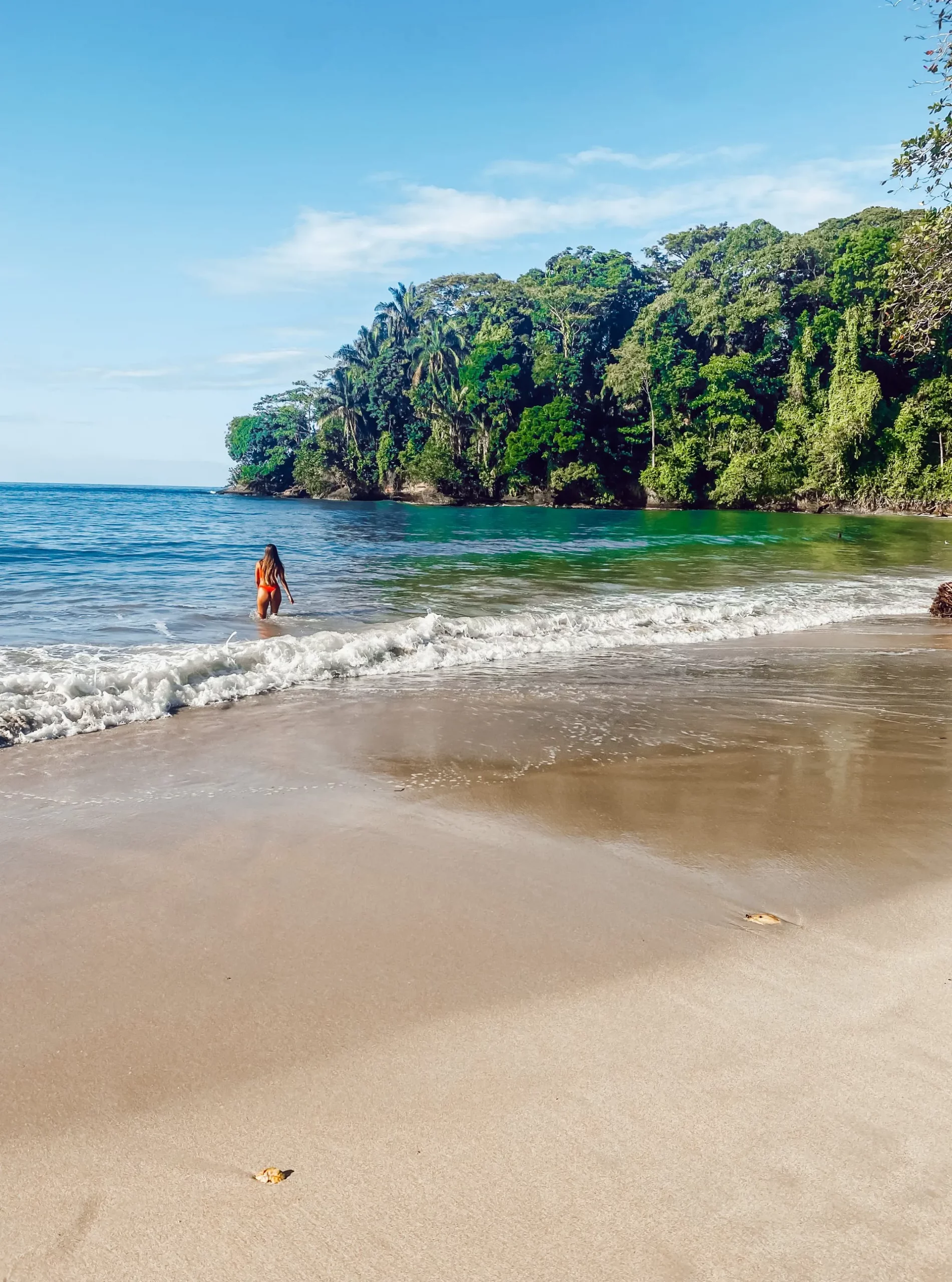
Santa Teresa and its quieter neighboring village Mal País together form one of the most beautiful stretches of coast on the Nicoya Peninsula, long sandy beaches, first-class surf conditions and a relaxed, international vibe. I spent several days here and enjoyed the perfect mix of surfing, yoga and fresh seafood at beach restaurants.

One of Costa Rica's best surf spots for all levelsA laid-back yoga and wellness sceneDay trip to the waterfalls of Montezuma
Get cash before you head to Santa Teresa, ATMs are scarce and often empty.
Manuel Antonio, Costa Rica
Central Pacific coast
Manuel Antonio

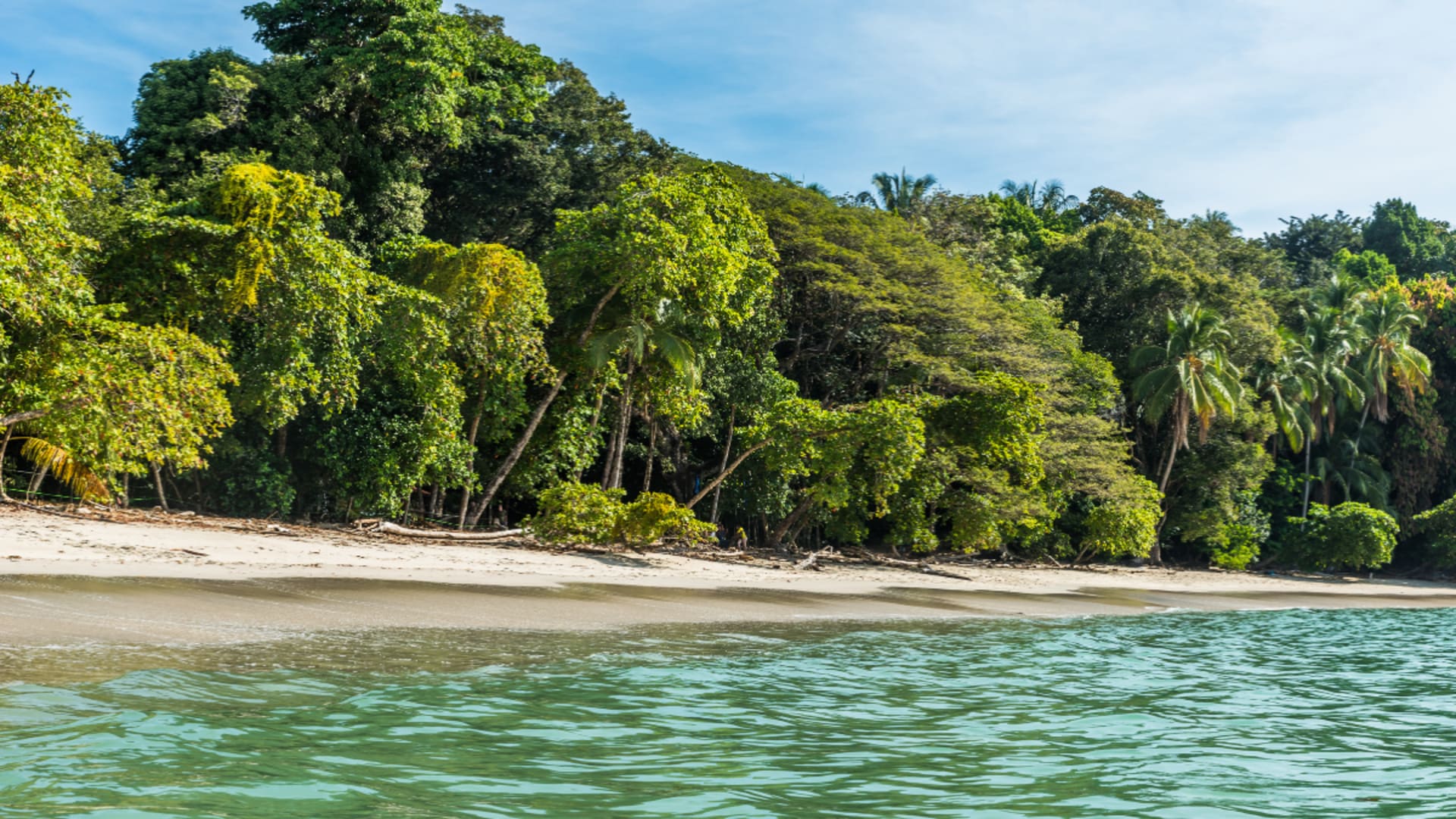
Manuel Antonio is one of Costa Rica's most popular destinations, no wonder, since dense rainforest meets dreamy beaches right here. The national park of the same name is small but incredibly species-rich: I had my best wildlife sightings of the whole trip here, from sloths to curious capuchin monkeys.

National park with rainforest right on the beachVery good chances of spotting sloths, monkeys and iguanasBoat tours to see dolphins and through the mangroves of Damas Island
Pack everything away securely in the national park, the monkeys are known for stealing food and personal belongings.
Puerto Viejo, Costa Rica
Caribbean coast
Puerto Viejo

Culturally, Puerto Viejo is a completely different Costa Rica than the Pacific coast: African, Indigenous and European influences blend here into a relaxed reggae atmosphere with Caribbean flair. Together with its proximity to Cahuita National Park, this was the perfect ending to my trip for me, away from the classic tourist routes.

Caribbean flair, clearly different from the Pacific coastJaguar Rescue Center for rescued wildlifeCahuita National Park with rainforest, beaches and a snorkeling reef
If you're sensitive to noise, pack earplugs, many simple guesthouses in Puerto Viejo have thin walls.
Everything You Need to Know

Practical Info

✈️
Getting there & transport

There are no direct flights from Germany to Costa Rica, my flight was with Air Europa via Madrid and Panama City and, including stopovers, took around 18 hours. Within the country I traveled almost exclusively by public bus: cheap, but often unpunctual, without onboard toilets and with many transfers through San José. For more flexibility, a rental car (4x4 recommended, especially on the Nicoya Peninsula) or private shuttles work well.

For entry, your German passport is enough (no national ID card), valid at least until the day after entry, though 6 months of remaining validity beyond the end of your trip is recommended. As a German citizen you're visa-free for tourist stays of up to 180 days, but you need a return or onward flight ticket and proof of sufficient funds. At land border crossings (e.g. Panama/Nicaragua), both exit and entry stamps must be in your passport, at the Sixaola crossing you walk across a bridge on foot and have to visit both border stations. If transiting through the US, US entry requirements including the ESTA also apply. A German driver's license is recognized for rental cars for up to 6 months, an international driving permit isn't mandatory but is recommended.

🏨
Accommodation

From simple hostels to guesthouses with a yoga deck to jungle lodges in the middle of the rainforest, Costa Rica has it all. I especially remember the small, nature-close accommodations on the edge of the national parks fondly, there I had monkeys and toucans right outside my window in the morning.

🍜
Food & drink

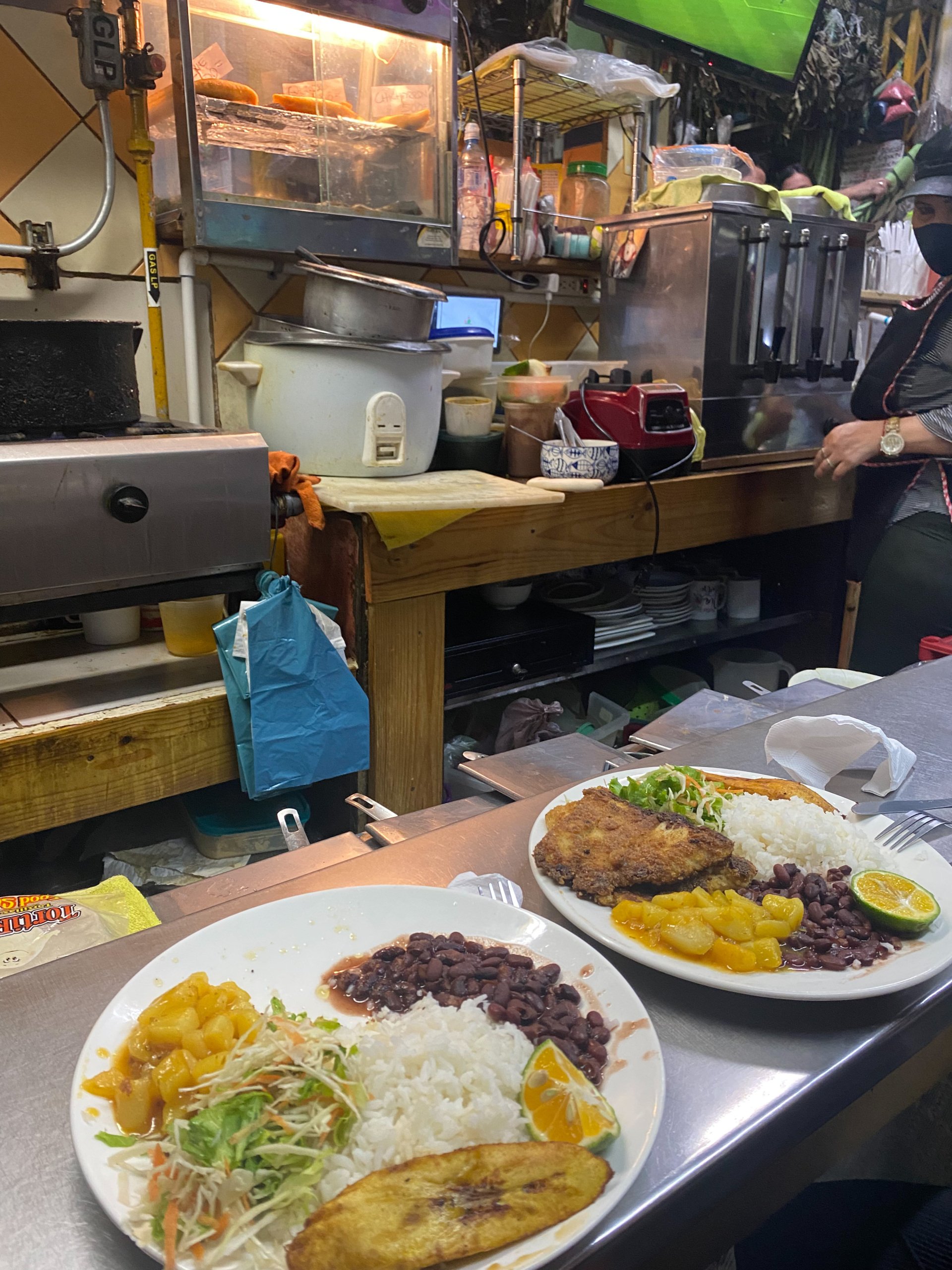
The cuisine is down to earth: gallo pinto (rice with beans), grilled meat, fresh fish and tropical fruit. The best and cheapest food is found in the 'sodas', small family-run restaurants, or at local markets like the Mercado Central in San José. Tap water is considered safe in most regions, in remote areas I'd drink bottled water to be safe.

📱
SIM & internet

I got a SIM card right after landing at San José airport (SJO), the stands of the major providers in the arrivals area are hard to miss. That let me get online right away, use WhatsApp and plan my route.

Kolbi (the state provider ICE) has the best coverage, even in remote national parks, a 2 GB package costs about 4,000 CRC (~€7). Claro and Movistar are popular internationally and with locals respectively and are often a bit cheaper in cities and tourist areas (about €8–9 for 2.5–3 GB). SIM cards are available at the airport, in supermarkets, gas stations or official shops, you need your passport to buy one. For short trips small prepaid packages are worth it, for longer trips weekly or monthly packages are cheaper.

🎒
Packing list

Besides your passport (check remaining validity), driver's license and travel health insurance, light, quick-drying clothing, a rain jacket (showers can happen even in the dry season) and sturdy hiking boots for national parks absolutely belong in your bag. Swimwear for both coasts and a waterproof dry bag are handy for boat and kayak tours.

Mosquito repellent with a high DEET content (about 50%, e.g. Anti Brumm Ultra Tropical) and sunscreen are more expensive in Costa Rica than at home, best to bring enough, plus sunglasses and a hat. An adapter for Type A/B (120V) sockets and a power bank are worth their weight in gold on the long bus rides. For national parks, a small pair of binoculars is great for wildlife spotting, and you should keep copies of your passport and important documents separate from the originals.

🚁
Drone rules

With Caribbean coast, rainforest and volcanoes, Costa Rica is a dream for drone pilots, but you should know the rules well. Flying is allowed within visual line of sight (VLOS) up to a maximum height of 120 meters in uncontrolled airspace, night flights only with a special permit from the DGAC aviation authority. Private recreational flights don't need registration, commercial use does.

You must keep at least 8 kilometers away from airports (only allowed within that with DGAC approval), and at least 30 meters from buildings and people. Flying is generally banned in cities and urban centers, as well as in all national parks and SINAC-protected areas (including Manuel Antonio, Arenal, Tortuguero, Corcovado, Monteverde) without a separate SINAC permit. There's no legal insurance requirement, but I'd still recommend international drone insurance. Best to check current rules directly with the DGAC before your flight.

Full drone guide for Costa Rica →
💊
Health & safety

Before your trip it's worth refreshing your standard immunizations (tetanus, diphtheria, polio, measles, mumps, rubella, etc.). Hepatitis A is also recommended for all travelers, Hepatitis B for longer stays or close contact with the local population, and typhoid for basic hygiene conditions or trips to rural areas. Yellow fever vaccination is only required if arriving from a yellow-fever endemic area, not for direct entry from Europe.

Travel health insurance with repatriation coverage is strongly recommended. Overall, Costa Rica is considered one of the safest countries in Central America, but as everywhere, I'd keep an eye on valuables, especially in busy tourist towns and some neighborhoods of San José.

🙏
Culture & etiquette

The life motto 'Pura Vida' shapes the whole country, it stands for ease and joy of life and is used equally as a greeting, a thank you and an agreement. Costa Ricans (Ticos) are known as especially friendly and helpful toward travelers.