England tempts with coastlines, national parks and historic landscapes, but drone regulation is noticeably stricter than in many other destinations - largely due to dense development and the many flight restriction zones around cities and airports.
Most drones (250 grams and up, or 100 grams and up with a camera) require a paid Operator ID (GBP 12.34 per year) plus a free Flyer ID. The Flyer ID requires passing an online theory test and is valid for five years. Both are obtained through register-drones.caa.co.uk, ideally before you travel.
Flying is allowed within visual line of sight up to a maximum altitude of 120 metres. A minimum distance of one kilometre from airports must be maintained, and since January 2026 a flashing green light on the drone is also mandatory.
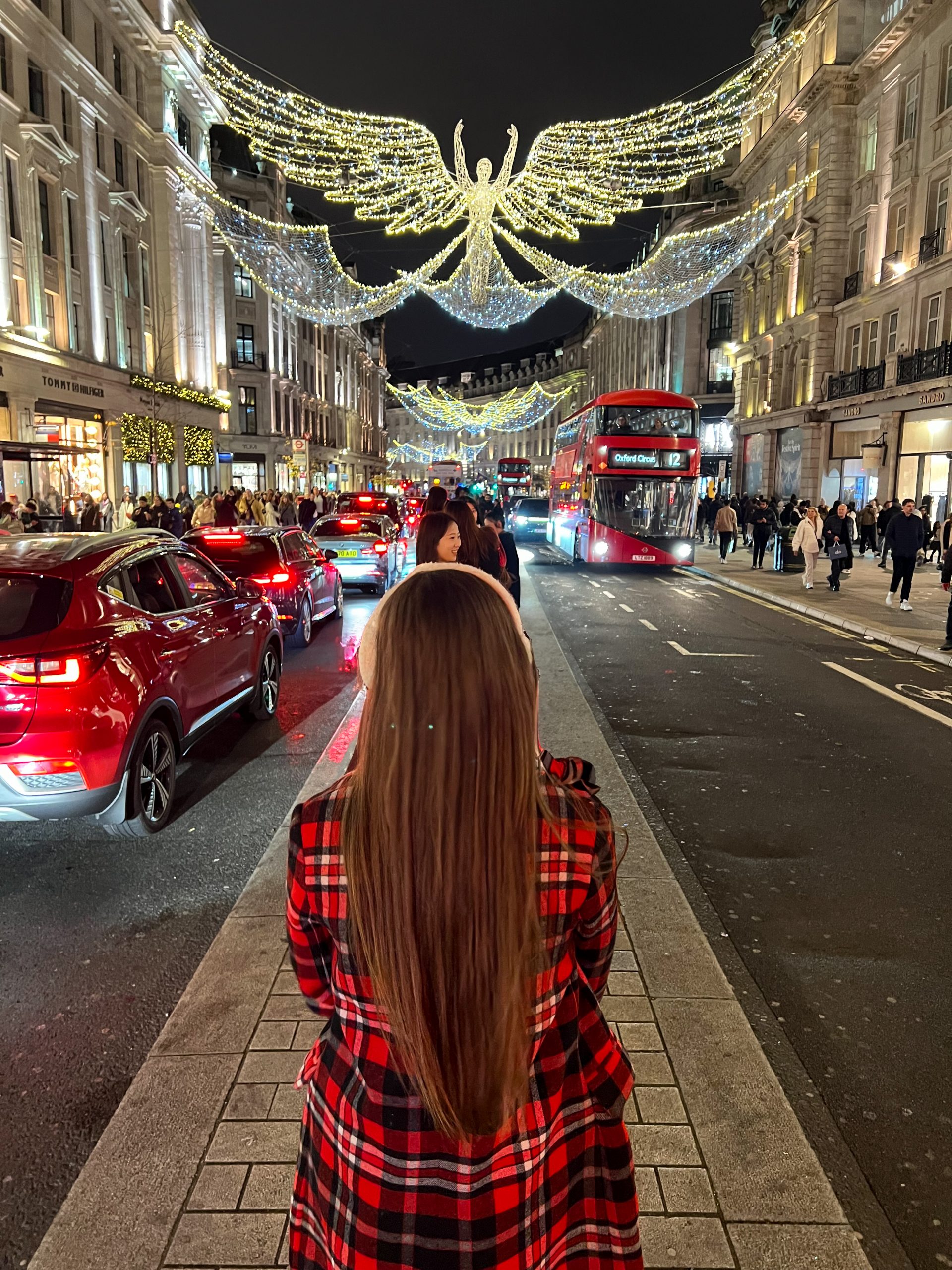
In London and most larger cities, inner-city Flight Restriction Zones cover almost the entire urban area, making drone flights there effectively impossible. Flying is also banned over government buildings and royal estates.
Many historic sites like Stonehenge belong to the National Trust or English Heritage, which generally prohibit drone flights on their grounds. Don't take off or land at such sites without explicit permission, even where the airspace itself isn't formally restricted.
Flying without an Operator ID can bring fines of up to GBP 1,000, unauthorized flights near airports up to GBP 7,500, and flights over government buildings or royal estates up to GBP 5,000. Recklessly endangering aircraft can even lead to up to five years in prison.
Apply for your Operator ID and Flyer ID online well before your trip, check current flight restriction zones on the CAA website or a drone app like Altitude Angel for your specific plans, and in cities and at historic sites it's best to just leave the drone in the suitcase.