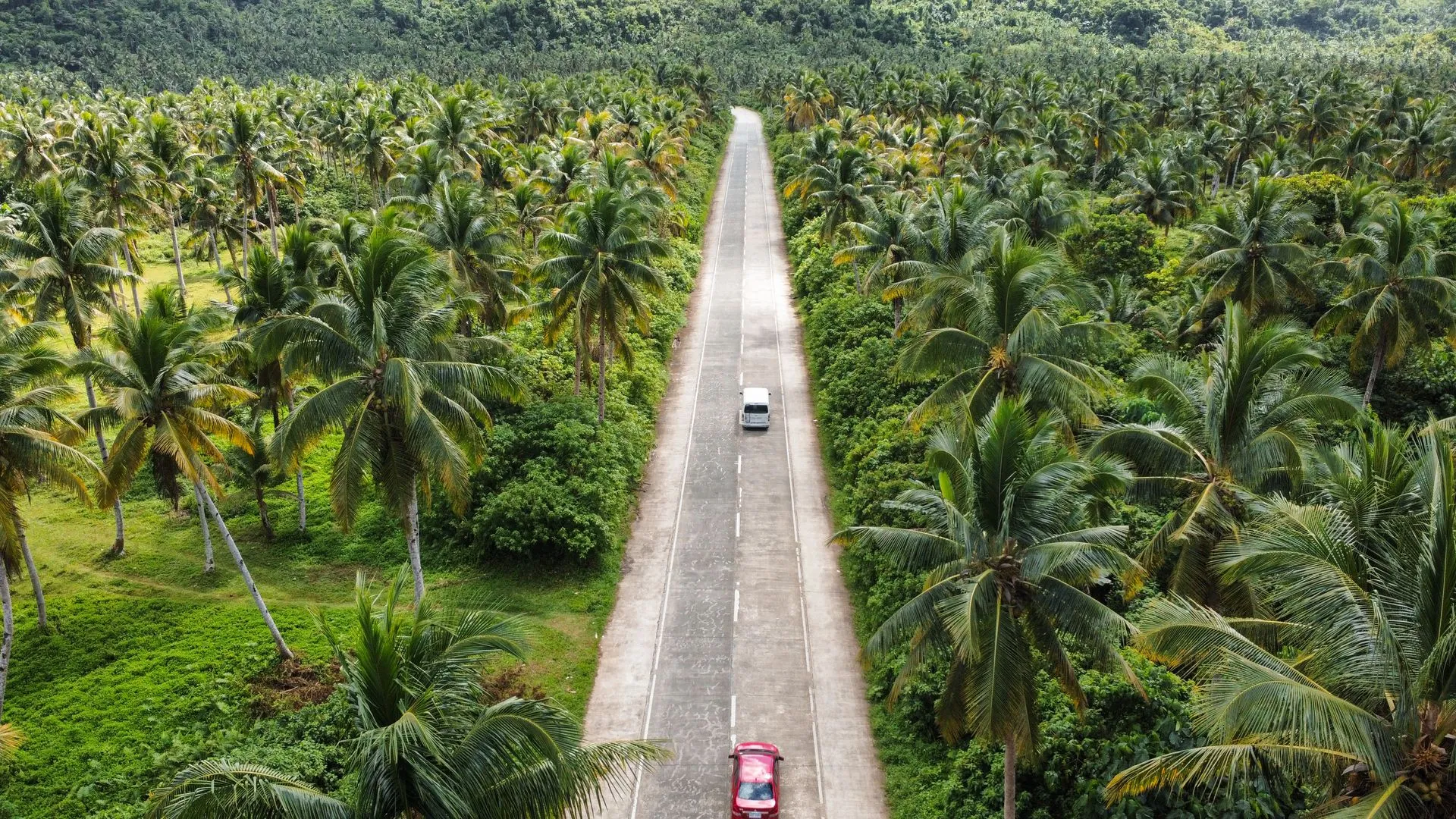
The Philippines is one of the more tourist-friendly countries in Southeast Asia for drones. Registering with the CAAP is possible online for foreign travelers without much hassle, though additional technical requirements kick in from 2026.
Drones weighing 250 grams or more must be registered with the CAAP (Civil Aviation Authority of the Philippines), this applies equally to locals and tourists. Lighter recreational drones under 7 kg don't require registration, a license or insurance.
Registration runs with a valid passport and works most easily online before your trip, your hotel address can be used as the address. No special import permit is needed for a personal drone, at customs it's enough to declare it if asked and have proof of purchase ready.
A maximum altitude of around 120 meters (400 ft) is allowed, always in daylight and within line of sight. Since 2025, a 10 km distance from airports must be kept, flights over populated areas or at night require a separate CAAP Special Flight Permit.
Individual places like Boracay, El Nido or Naga City have passed their own, sometimes stricter ordinances. Popular islands and some resorts have additional restrictions, so it's worth asking your accommodation or the local municipality.
Violations are fined between 20,000 and 100,000 Philippine pesos per offense, for more serious violations like flying in restricted zones or near airports up to 200,000 pesos, plus risk of equipment confiscation. In particularly severe cases criminal consequences are also possible.
Doing the registration online in advance only takes a few minutes and makes the trip more relaxed, I'd recommend it to anyone bringing a drone over 250 grams. For smaller recreational drones, common sense and a quick check of local rules on the ground is usually enough.