For private recreational flights, South Africa is one of the most straightforward countries in the world, neither registration nor a license is needed for drones under 7 kg. In all national parks and on safari, however, a strict ban applies that kicks in simply by carrying one.
Tourists with recreational drones under 7 kg need neither registration nor a license or permit. Fixed basic rules still apply, set by the SACAA (South African Civil Aviation Authority) under Part 101 of the Civil Aviation Regulations: maximum altitude 120 meters, always within visual line of sight (VLOS), maximum range 500 meters, at least 10 km from airports, daylight only.
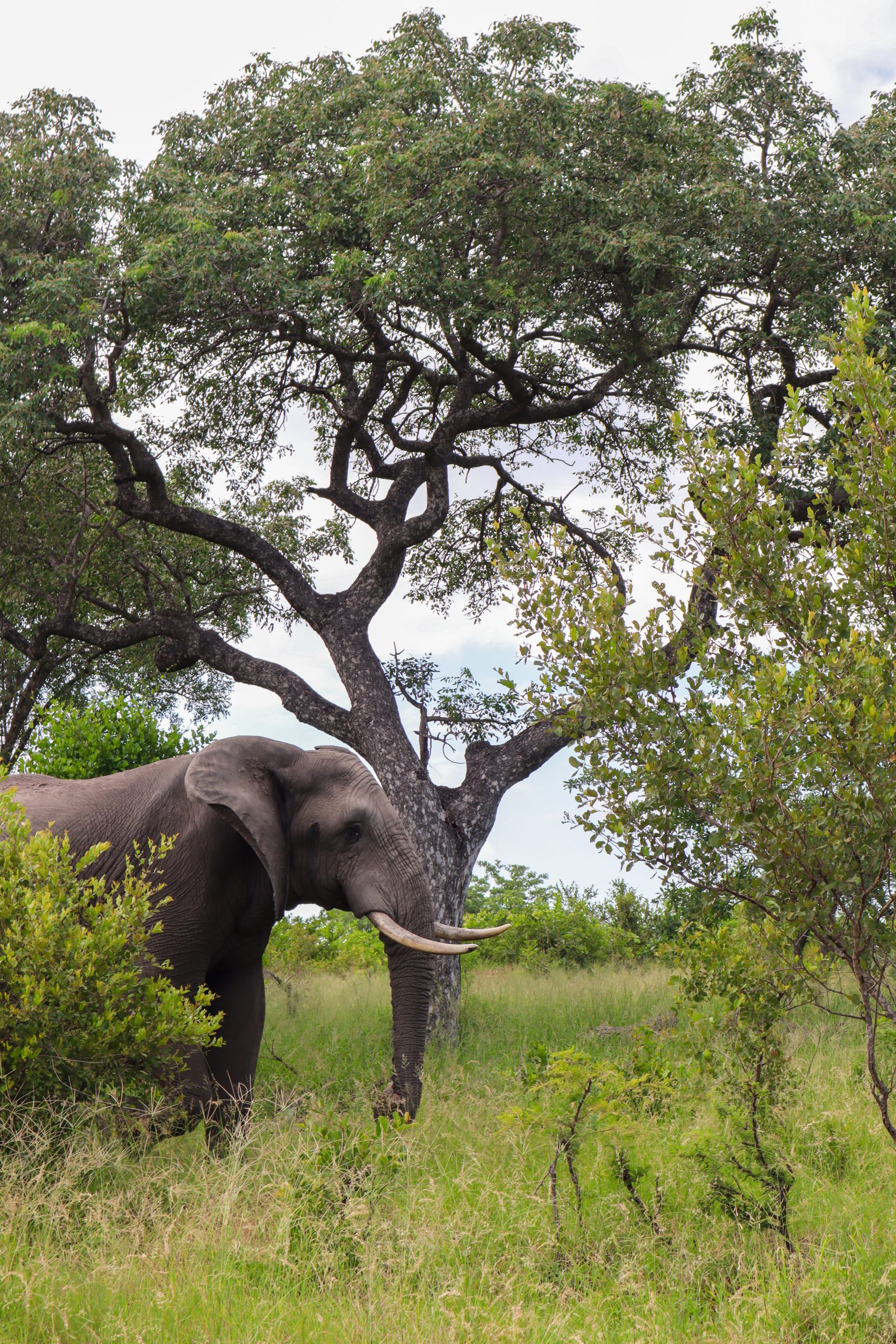
In every South African national park, above all Kruger National Park, drones are completely banned. Wildlife on safari may generally not be filmed with drones, the ban protects animals from stress and helps prevent poaching.
Important to know, in Kruger National Park even carrying a drone in the vehicle is penalized, regardless of whether it was actually flown. Rangers specifically check vehicles and luggage at gates and rest camps.
Anyone wanting to use a drone commercially needs considerably more, including a Remote Pilot Licence (RPL), an RPAS Operator Certificate (ROC) and aircraft registration. This isn't relevant for normal vacation footage.
In national parks, even a first offense can bring fines starting around 1,500 rand (about $85), plus confiscation of the drone, and repeat offenders can face a lifetime ban from the park.
For city, beach and landscape footage outside the national parks, South Africa is uncomplicated and one of the most relaxed destinations for drone pilots. On safari, though, the drone should stay at the hotel or not come along at all, to avoid trouble from the start.