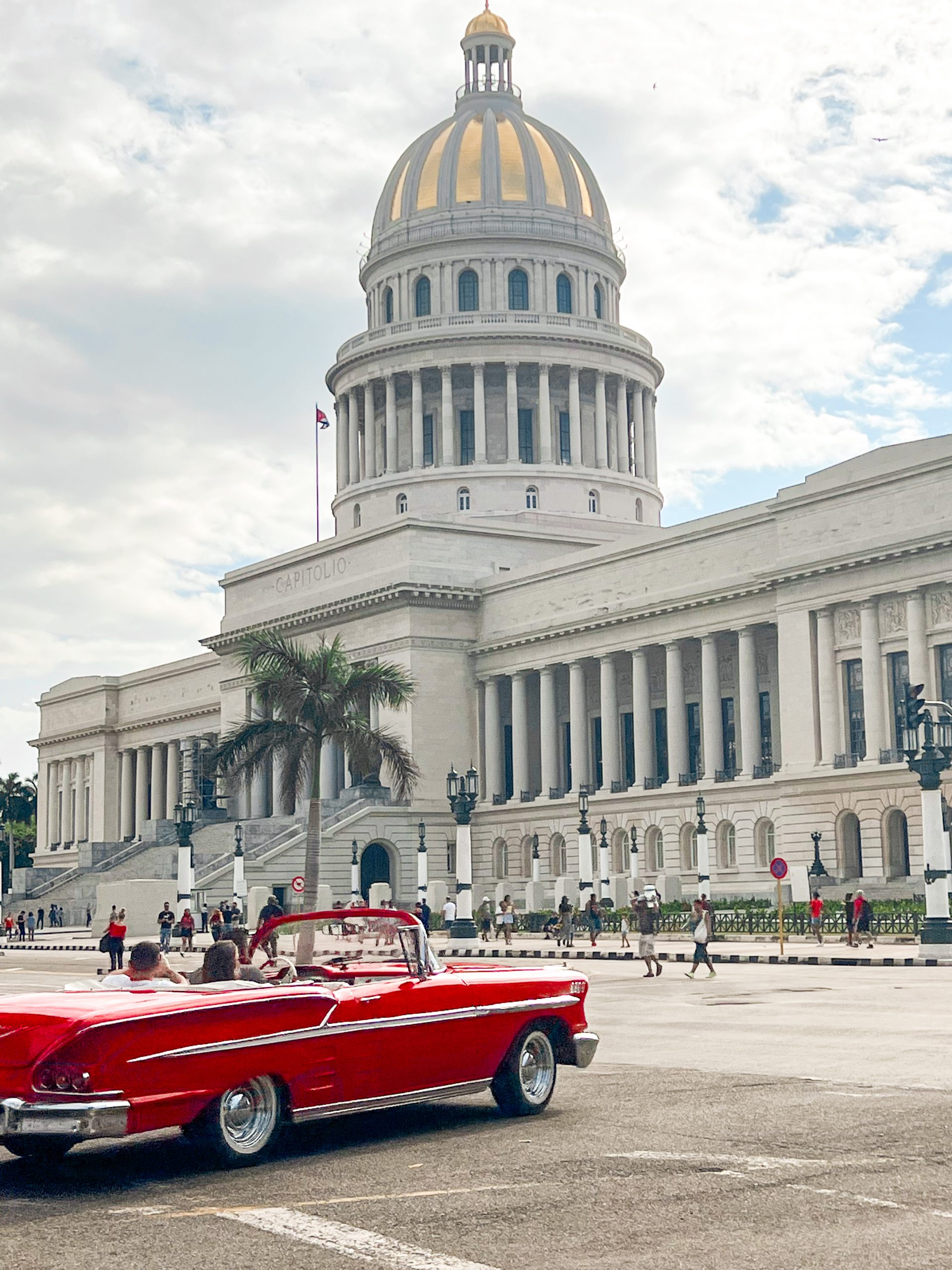
Reiseroute
I lived in Havana for two weeks and then spent another week and a half traveling across the country, from Varadero to Viñales to Trinidad. Cuba is shaped by a unique mix of Spanish colonial architecture, Caribbean nature and a lively music culture you hear on every corner. Havana's old town is a UNESCO World Heritage Site and considered one of the best-preserved colonial cities in Latin America.
Economically and politically, Cuba differs noticeably from other Caribbean destinations, which you also notice in everyday travel: payments, internet access and the availability of goods work differently than in most neighboring countries. I wish I'd had more honest preparation before my trip, especially around food shortages and cash, so in this guide I deliberately cover the downsides too. If you prepare for it, you'll still experience a destination with a character all its own.
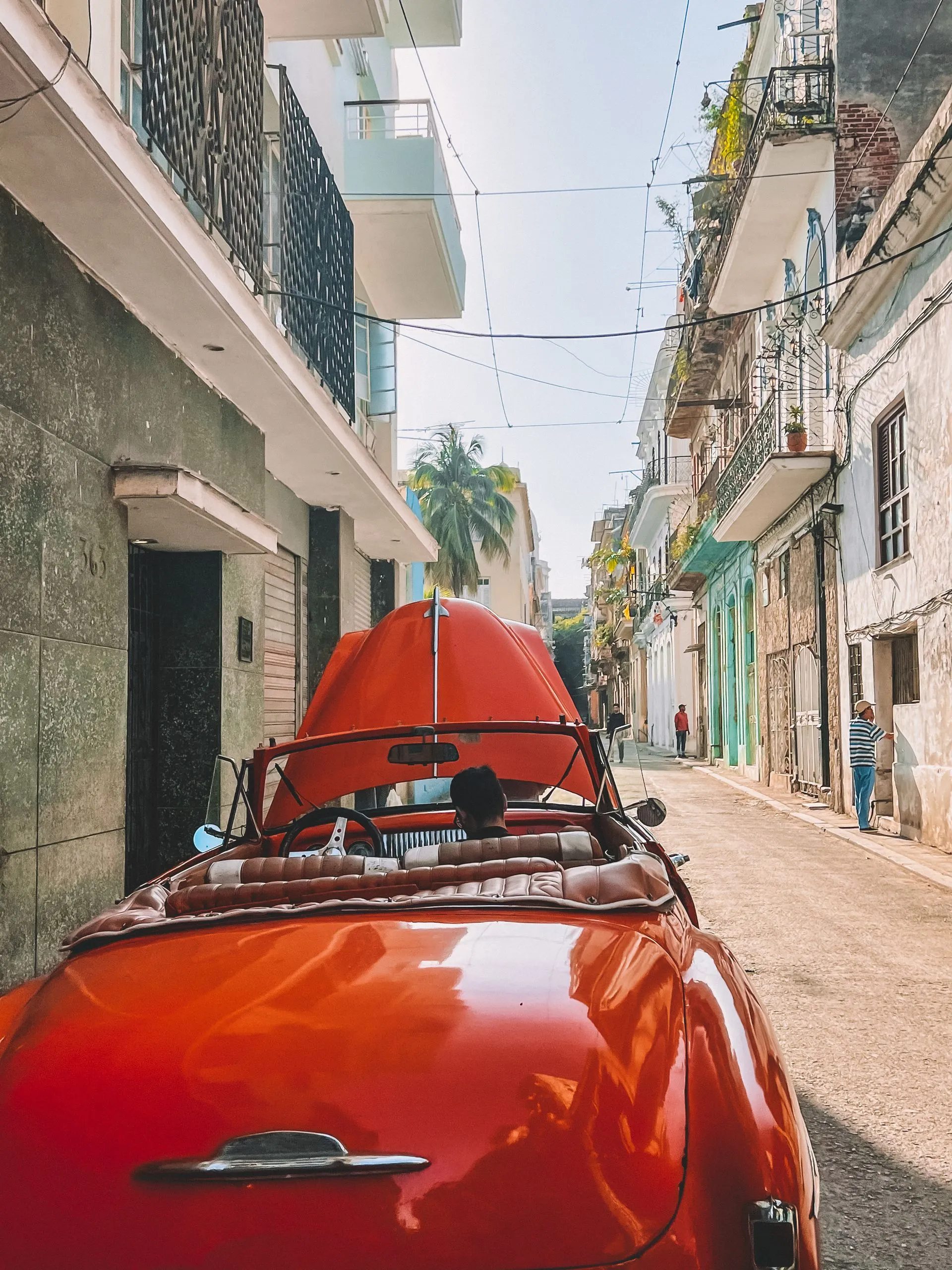
Cuba's capital, with the UNESCO-protected old town Habana Vieja, the historic Malecón, colorful colonial facades, vintage cars and live music on every corner. This is where I lived for two weeks and got to know Cuba's everyday life.
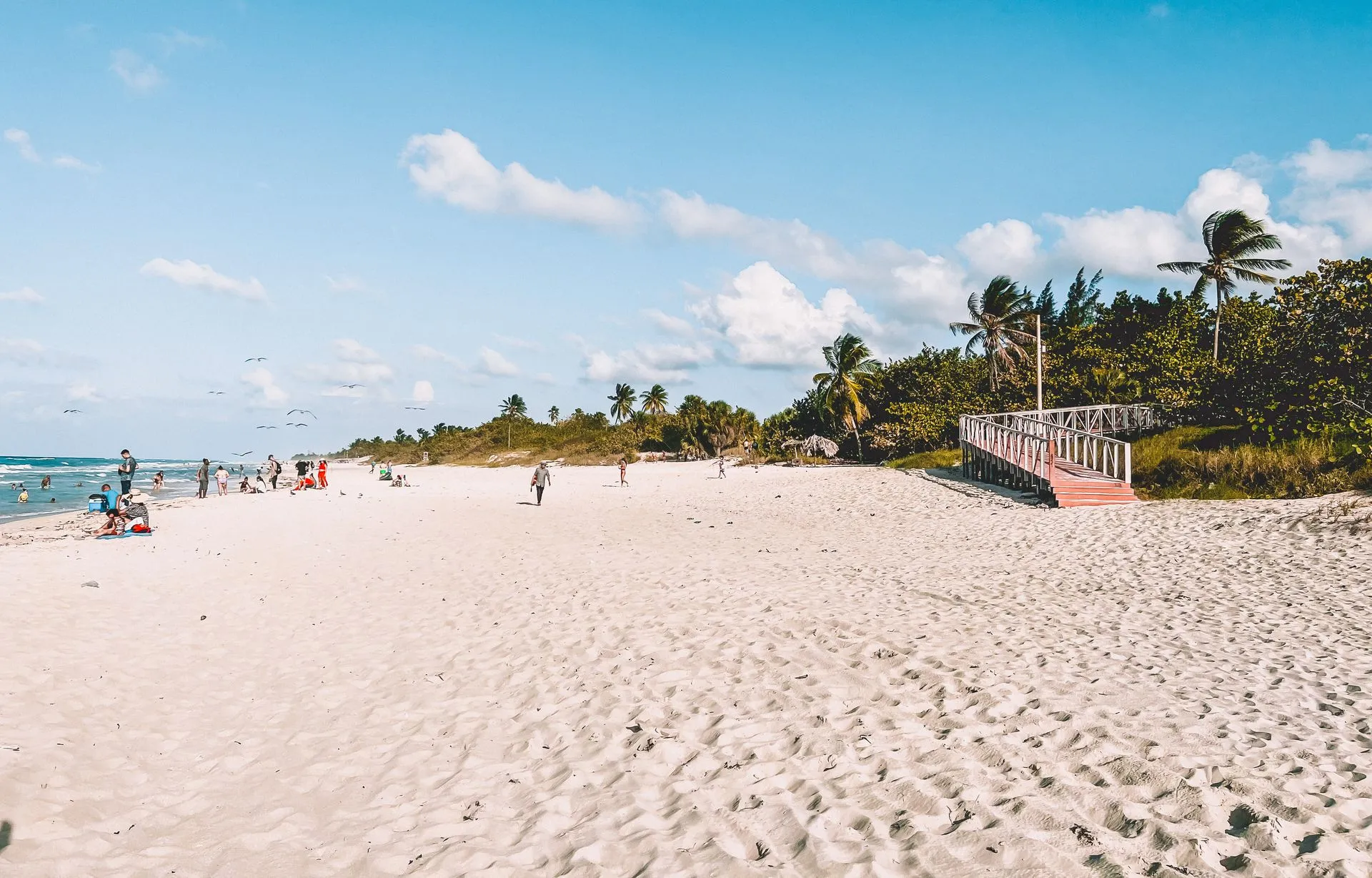
Cuba's best-known beach region on the narrow Hicacos Peninsula, with over 20 kilometers of white sandy beach and turquoise water along the Atlantic coast, noticeably more touristy than the rest of the country.
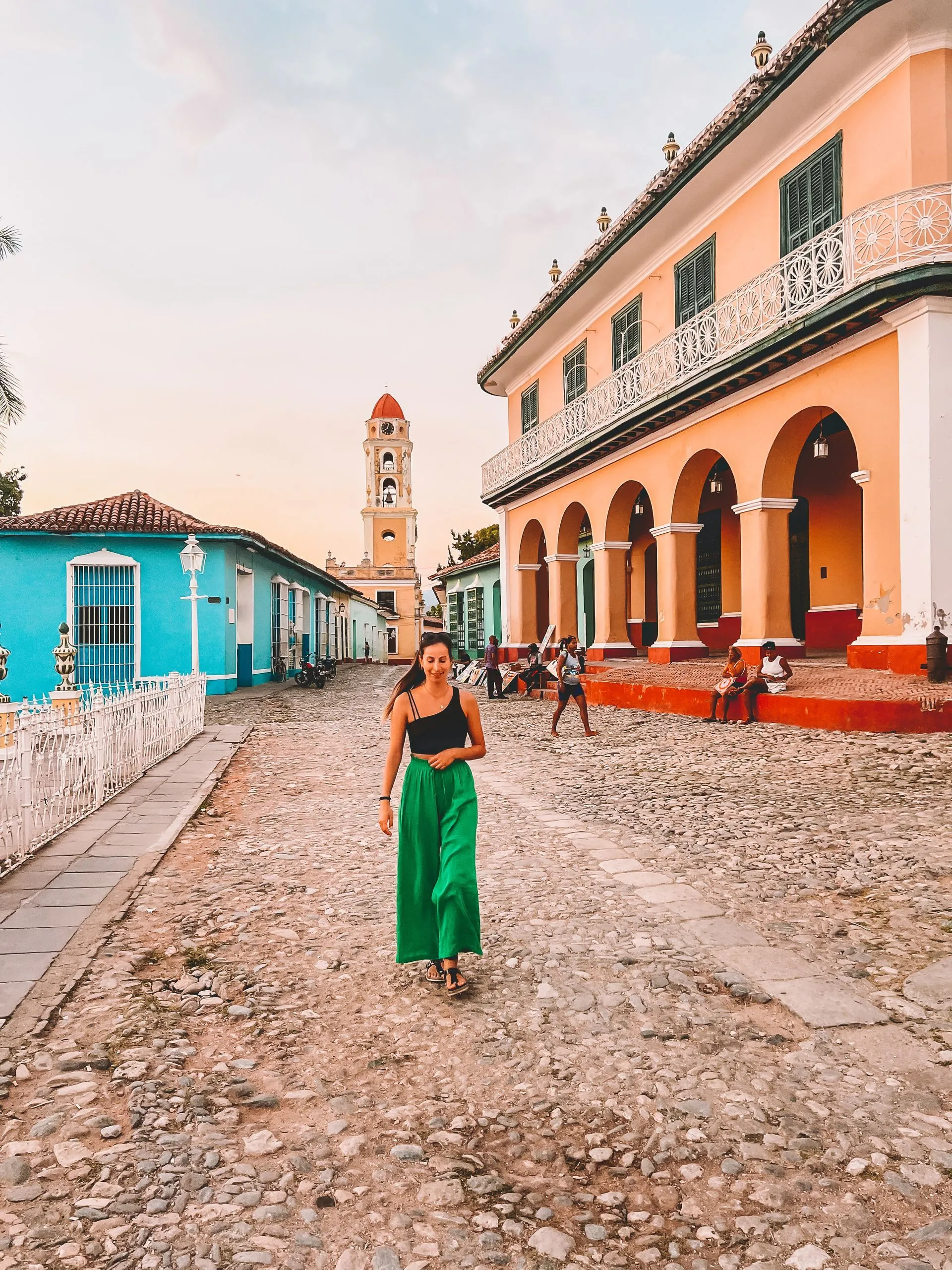
A beautifully preserved 16th-century colonial town on Cuba's south coast, with cobblestone streets, pastel-colored houses and the Plaza Mayor at its heart, like an open-air museum, surrounded by mountains and nearby dream beaches.
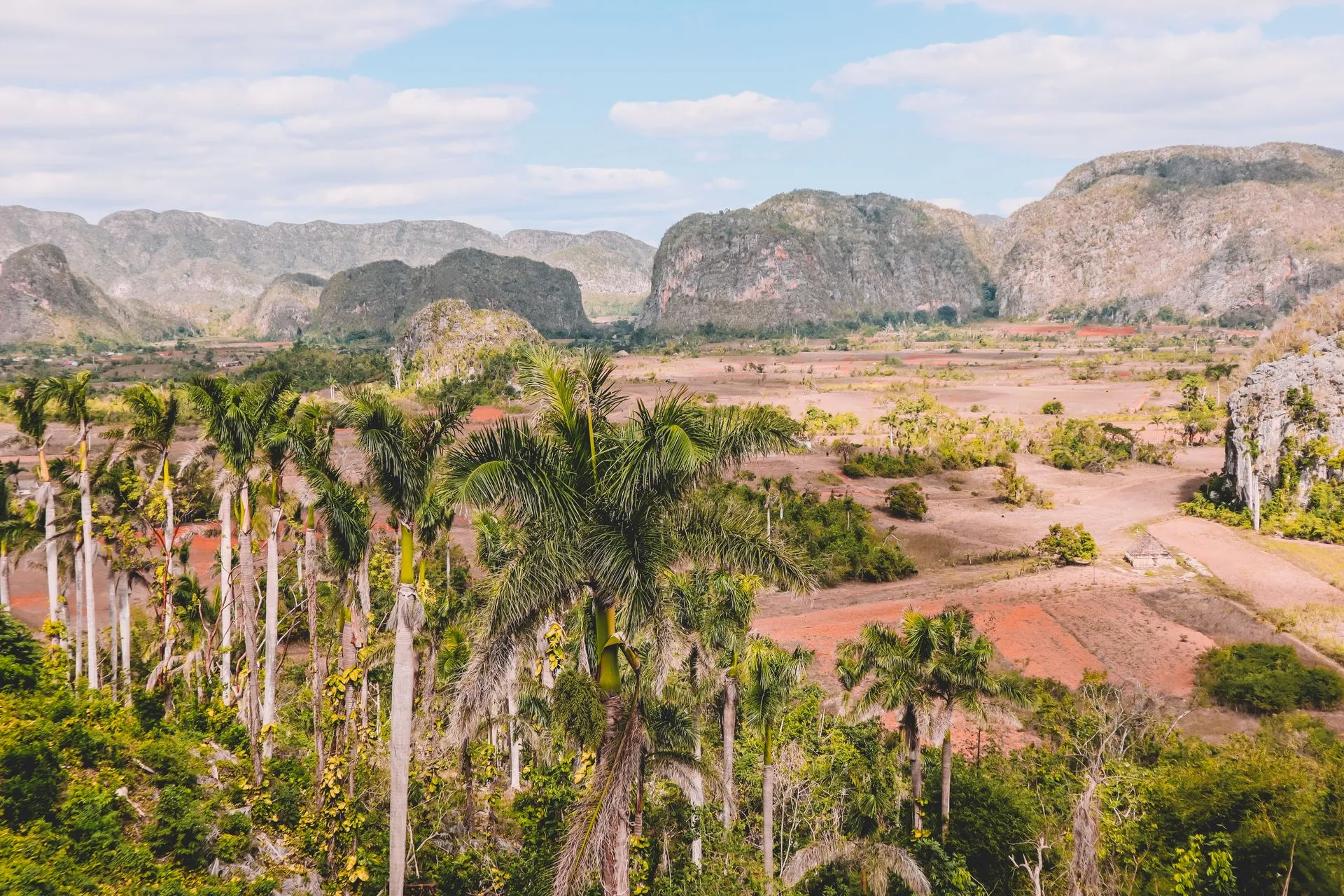
An agricultural valley in western Cuba, known for tobacco growing and the striking limestone hills (mogotes) that define the landscape, a relaxed small-town feel and a starting point for trips to some of Cuba's most beautiful beaches.