Search

Where's your next trip?

Vietnam, rice terraces and green mountain landscape
HomeRoutesVietnamThe Vietnam Route
Reiseroute

The Vietnam Route

6 Stops
Feb–Apr / Aug–Oct
Culture · Nature · Cuisine
45 days
Visa-free (DE passport)
Feb–Apr
Best time
GMT+7
Time zone
VND
Currency
Die Route

Vietnam stretches more than 1,600 kilometers from north to south, offering correspondingly diverse landscapes, from the mountains and rice terraces in the north, to the coastal cities in the middle, to the Mekong Delta in the south.

The cuisine is considered one of Asia's best, the cities pulse between tradition and rapid modernization, and with the scooter as the main mode of transport, the country has a rhythm all its own.
Good to know
Halong Bay with its limestone islands is a UNESCO World Heritage Site
Historic old towns like Hoi An have preserved their core and are largely car-free
Vietnamese cuisine (pho, banh mi, bun cha) is one of Asia's most versatile
Enormously diverse landscapes: mountain regions in the north, rice terraces, the Mekong Delta in the south
One of the more affordable countries to visit in Southeast Asia, with good tourist infrastructure
Vegetarian and vegan options are easy to find in bigger cities and tourist towns
Interactive Map

The Route on the Map

Stops

The Route in Detail

1
Hanoi, Vietnam
North
Hanoi

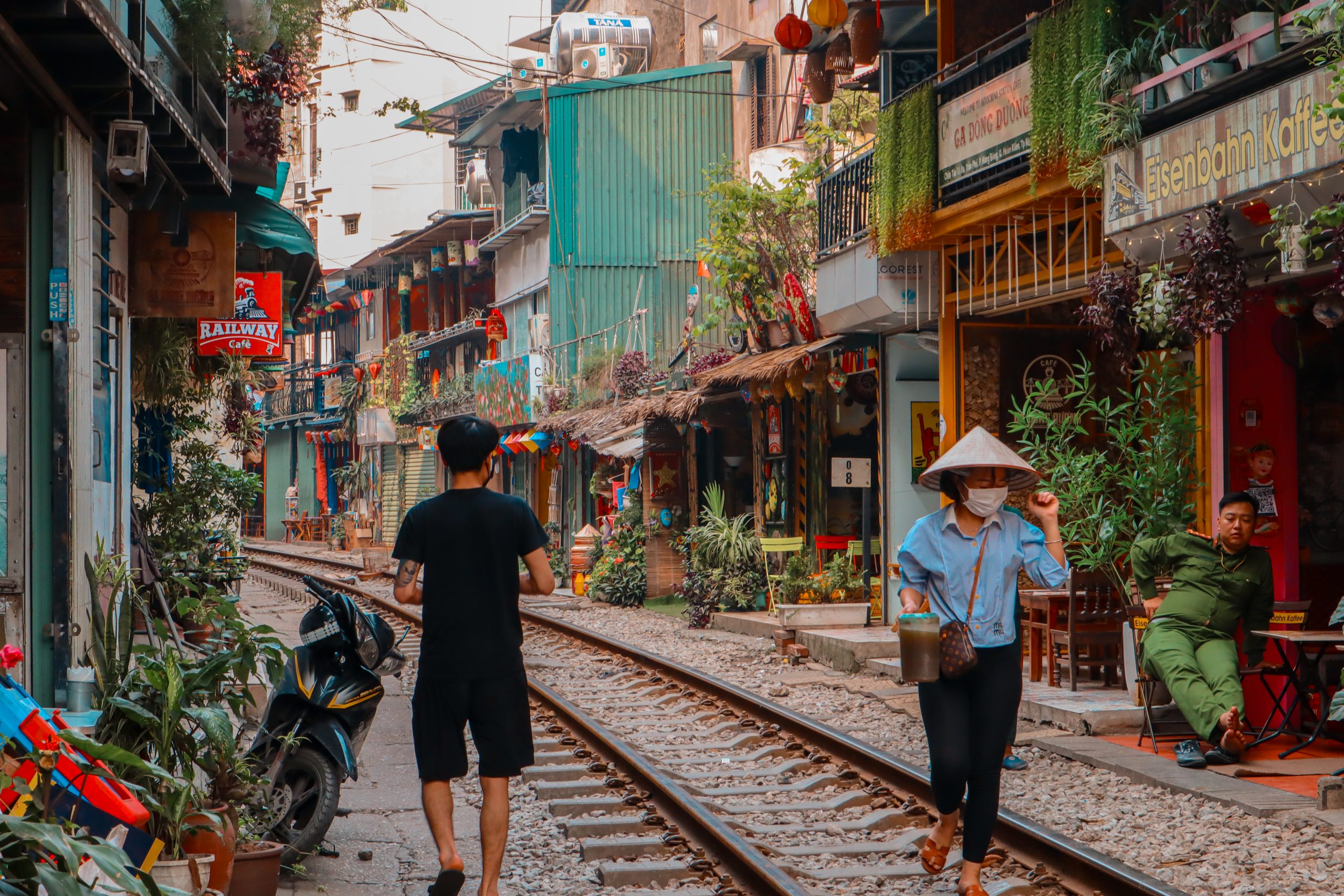
Vietnam's capital, with a centuries-old old town, Hoan Kiem Lake right in the center, and one of the country's best street food scenes, also a great base for Halong Bay.

Old Quarter with narrow alleys and street foodHoan Kiem Lake in the city centerTrain StreetDay trip to Halong Bay
More aboutHanoi →
2
Sa Pa, Vietnam
North, mountain region
Sa Pa

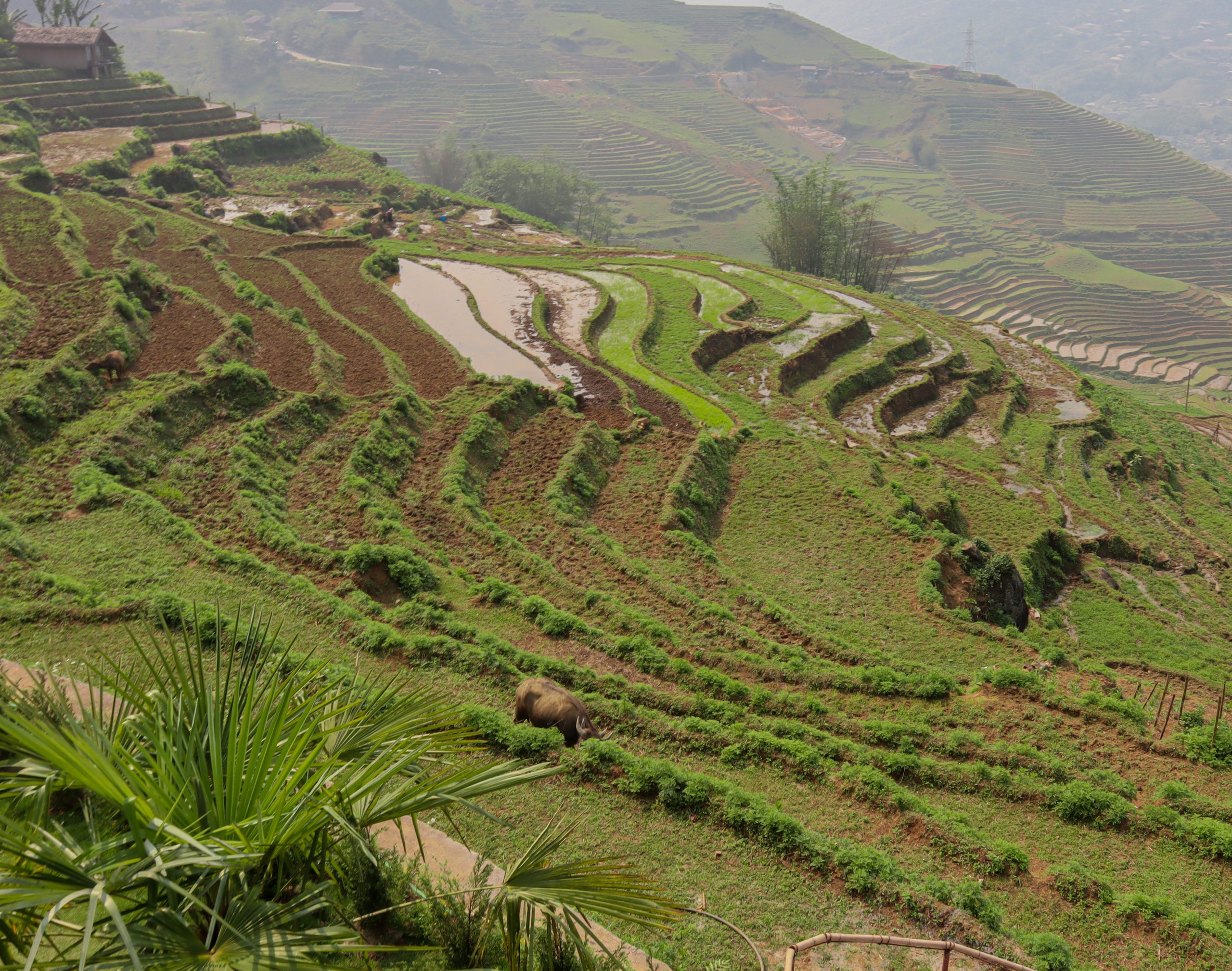
A mountain town in the far north, surrounded by terraced rice fields and villages of ethnic minorities, popular for multi-day trekking tours and the cable car up Fansipan.

Terraced rice fields in the mountainsFansipan cable car, Vietnam's highest mountainTrekking tours to villages of ethnic minorities
More aboutSa Pa →
3
Da Nang, Vietnam
Central coast
Da Nang

An up-and-coming coastal city with a long sandy beach, the Dragon Bridge, and a great base for day trips to the Marble Mountains and the Ba Na Hills.
My Khe Beach right by the cityDragon Bridge with a fire show on weekendsBa Na Hills with the Golden Bridge
More aboutDa Nang →
4
Hoi An, Vietnam
Central coast
Hoi An

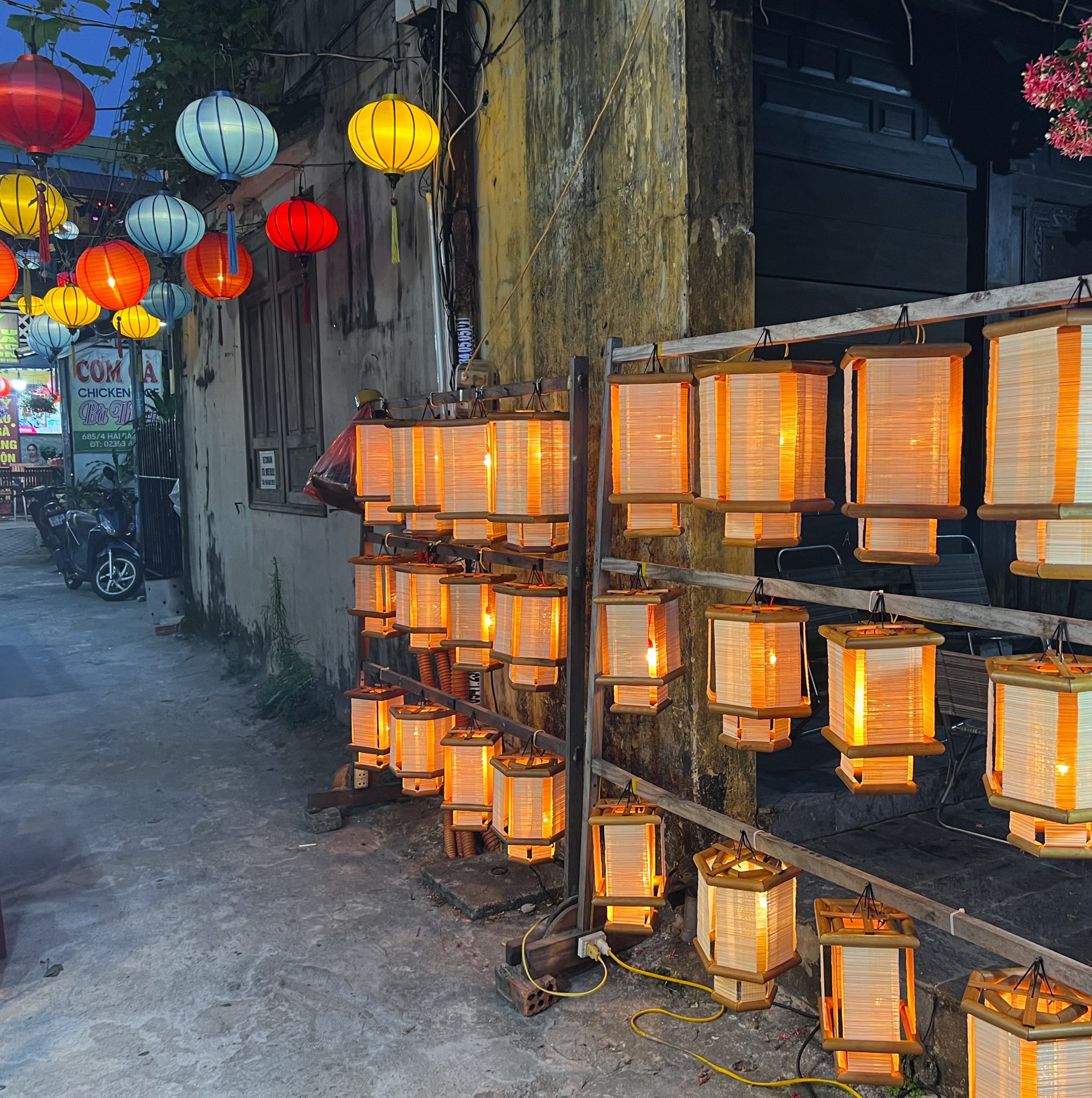
A historic, largely car-free old town with colorful lanterns, well-preserved colonial architecture and one of Vietnam's best culinary scenes, just a short drive from Da Nang.
UNESCO old town with colorful lanterns, especially beautiful in the eveningLantern-making workshopBoat trip on the Thu Bon RiverTailor shops with made-to-measure clothing
More aboutHoi An →
5
Ho Chi Minh City, Vietnam
South
Ho Chi Minh City

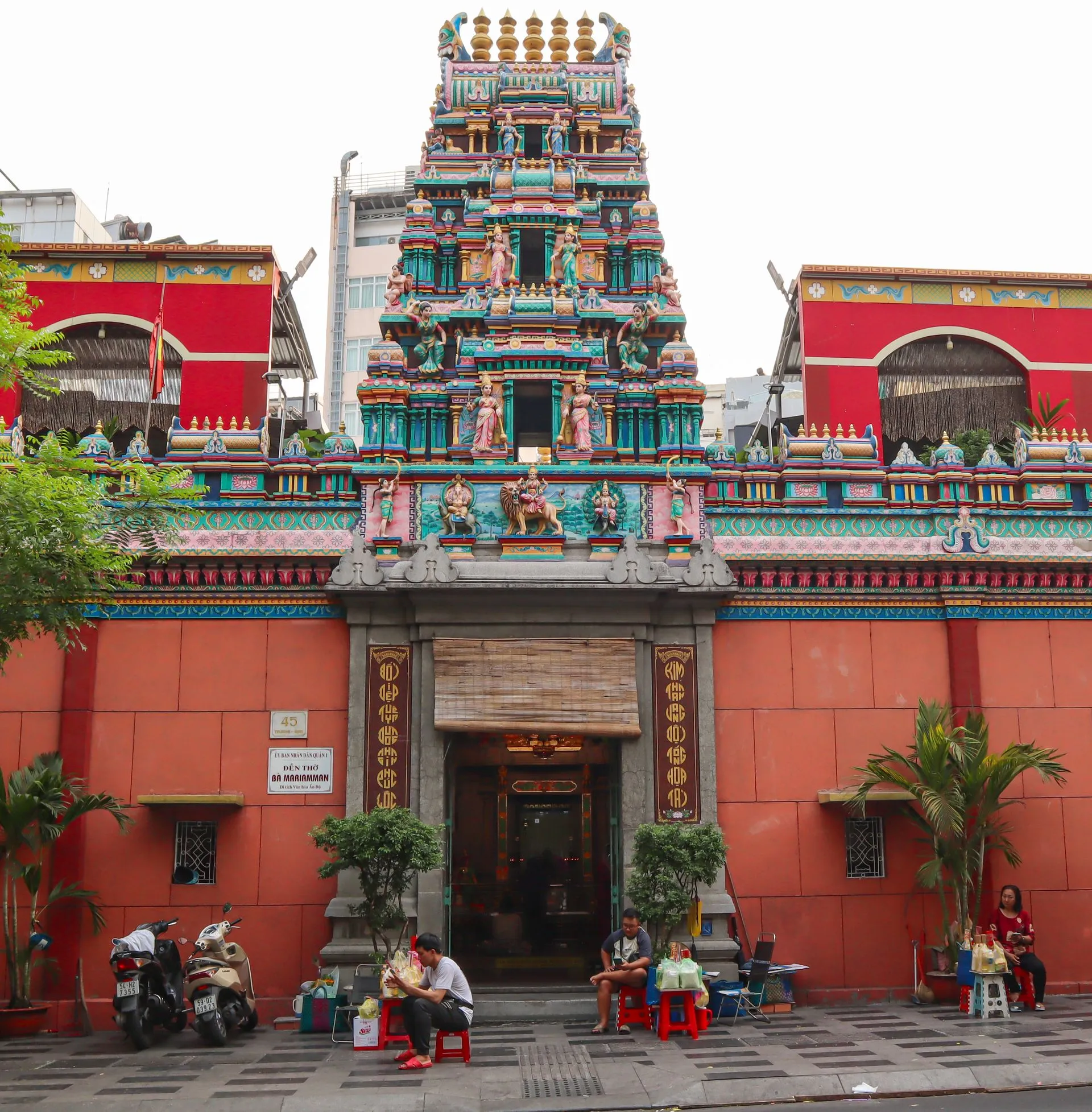
Vietnam's largest and economically most important city (formerly Saigon), pulsing with dense scooter traffic, French colonial architecture and good connections to the Mekong Delta.
District 1 with colonial architecture and the Central Post OfficeMariamman Hindu TempleChinatown (Cho Lon) with the Binh Tay Market
More aboutHo Chi Minh City →
6
Phu Quoc, Vietnam
South, island in the Gulf of Thailand
Phu Quoc

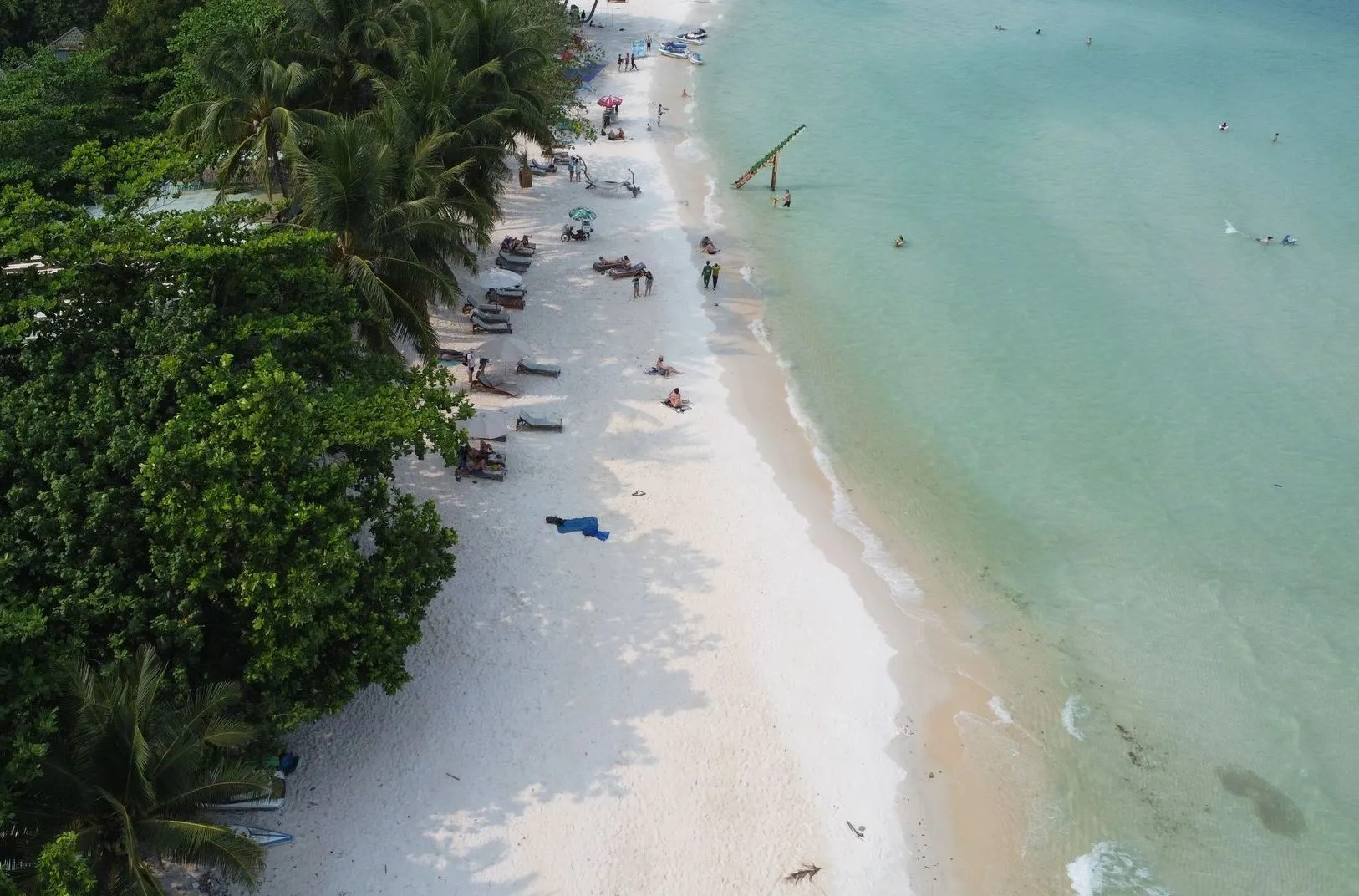
Vietnam's largest island, with tropical beaches, dense jungle and a noticeably slower pace than the mainland, the perfect start or finish to a Vietnam trip.

Sao Beach with fine, white sandLong Beach with sunset views over 20 km of coastlineChua Ho Quoc Temple with ocean viewsVinpearl Safari & VinWonders
More aboutPhu Quoc →
Everything You Need to Know

Practical Info

✈️
Getting there & transport

Vietnam Airlines flies seasonally direct from Frankfurt to Hanoi (about 12 hrs), otherwise usually with a layover. Within the country, cheap domestic flights (Vietjet, Bamboo Airways) and buses are the most common choice for longer distances.

Between my stops I mostly flew or took the bus, routes like Phu Quoc–Ho Chi Minh City or Ho Chi Minh City–Da Nang can be covered in one to two hours instead of a long night bus. Within cities, taxi and scooter apps like Grab are the easiest way to get around.

🏨
Accommodation

From hostels starting at €6–12 to mid-range hotels from €25–50 to boutique and luxury hotels from €80. Hoi An and Hanoi's old town in particular offer a huge selection of charming small hotels.

The Salinda Resort on Phu Quoc, the Chicland Danang Beach Hotel right on the beach, and the centrally located Grand Mercure Hanoi all stuck with me as particularly memorable. In Ho Chi Minh City, next time I'd choose more central accommodation in District 1 instead of somewhere a bit out of the way, so I wouldn't be dependent on scooters or taxis for every trip.

🍜
Food & drink

Street food is a fixture of everyday life, pho, banh mi and bun cha are available for as little as €1–3. Don't drink tap water, bottled water is available everywhere.

Vegetarian and vegan options are now easy to find in bigger cities and tourist spots, for instance at ROM Vegetarian Bistro in Hoi An or Restaurant Eat Pray Love on Phu Quoc.

📱
SIM & internet

Right in the arrival halls of the airports there are stands from Viettel, Mobifone and Vinaphone where you can buy a prepaid SIM immediately. At Viettel, for example, 3 GB of data costs only about €8.

Viettel is considered the provider with the most reliable network coverage nationwide, including on islands like Phu Quoc. SIM cards are also available in supermarkets, shopping malls and official shops, for short stays a small data package is usually enough, in more rural areas the Mobifone and Vinaphone networks can be a bit weaker.

🎒
Packing list

Light, breathable clothing works for most regions, for Sa Pa and the north in winter you'll also want warm clothing for cooler temperatures. For the beaches, swimwear and sun protection are essential.

A light rain jacket is useful year-round, especially during the rainy season from May to October. Comfortable, sturdy shoes make trekking around Sa Pa easier. An adapter for the mixed socket types (A/C/D/F) is needed for devices from Germany.

🚁
Drone rules

Vietnam has comparatively strict drone regulations, importing and operating a drone generally requires approval from the authorities, spontaneous use is legally risky.

Applications must be submitted to the Vietnamese Ministry of Defense at least 14 days in advance, including the drone's technical specifications. Flying without a permit is generally prohibited over airports, military facilities, government buildings and national parks, drones can be confiscated by customs. In practice many private pilots fly without a permit anyway, especially in remote areas, it isn't legal, and the risk of confiscation always exists.

Full drone guide for Vietnam →
💊
Health & safety

Recommended vaccinations: Hepatitis A+B, typhoid, tetanus, at least 6 weeks before departure. Traffic is chaotic, extra caution is needed when crossing streets and riding a scooter.

Depending on your route, vaccinations against Japanese encephalitis and rabies can also make sense, especially for longer stays in rural areas. There's a low malaria risk in some rural and mountainous border regions, on the classic tourist route (Hanoi, Halong Bay, Hoi An, Ho Chi Minh City) it's very low. Travel health insurance with repatriation cover is advisable, as is mosquito protection against dengue fever. If you want to ride a scooter yourself, you'll need an international driving permit under the 1968 Vienna Convention in addition to your national one, a standard German class B license isn't enough for motorcycles over 50cc, nor is the B196 permit. Without a valid license and helmet, insurance coverage can be voided.

🙏
Culture & etiquette

A respectful, calm tone is highly valued, avoiding loss of face is a central cultural value. Wear modest clothing and take off your shoes when visiting temples and pagodas.

Vietnam's recent history, especially the Vietnam War, is still present in the country, for instance in museums like the War Remnants Museum in Ho Chi Minh City, a sensitive, respectful approach to the topic is appreciated. When bargaining at markets, a friendly, good-humored tone is part of it, aggressive haggling doesn't go over well. When paying or handing over items, it's common to use both hands, which is considered polite.