Reiseroute
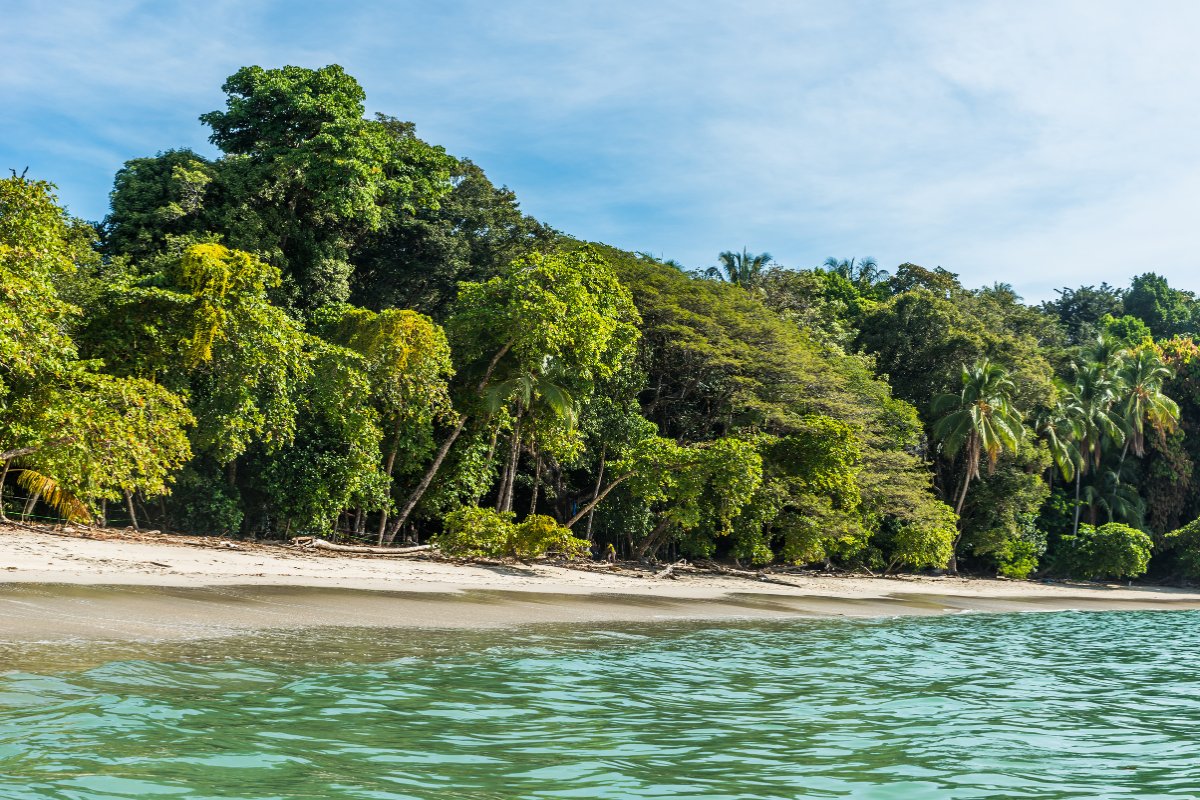
Costa Rica had been a long-held dream of mine, and in the end it exceeded every expectation. For two weeks my partner and I traveled from the dream beaches of Santa Teresa through the species-rich Manuel Antonio National Park to the Caribbean flair of Puerto Viejo, and each region won me over in its own way.
Costa Rica is one of the most biodiverse countries on earth and is considered a pioneer of ecotourism in Central America. On a relatively small area, cloud forests, active volcanoes, Pacific and Caribbean coastlines and sprawling national parks alternate with each other, I've rarely experienced a country where so many different landscapes meet in such a small space.
The country has no standing military and has instead invested in nature conservation for decades, more than a quarter of its land area is protected. For travelers that means a dense, well-developed natural backdrop with comparatively stable tourist infrastructure.
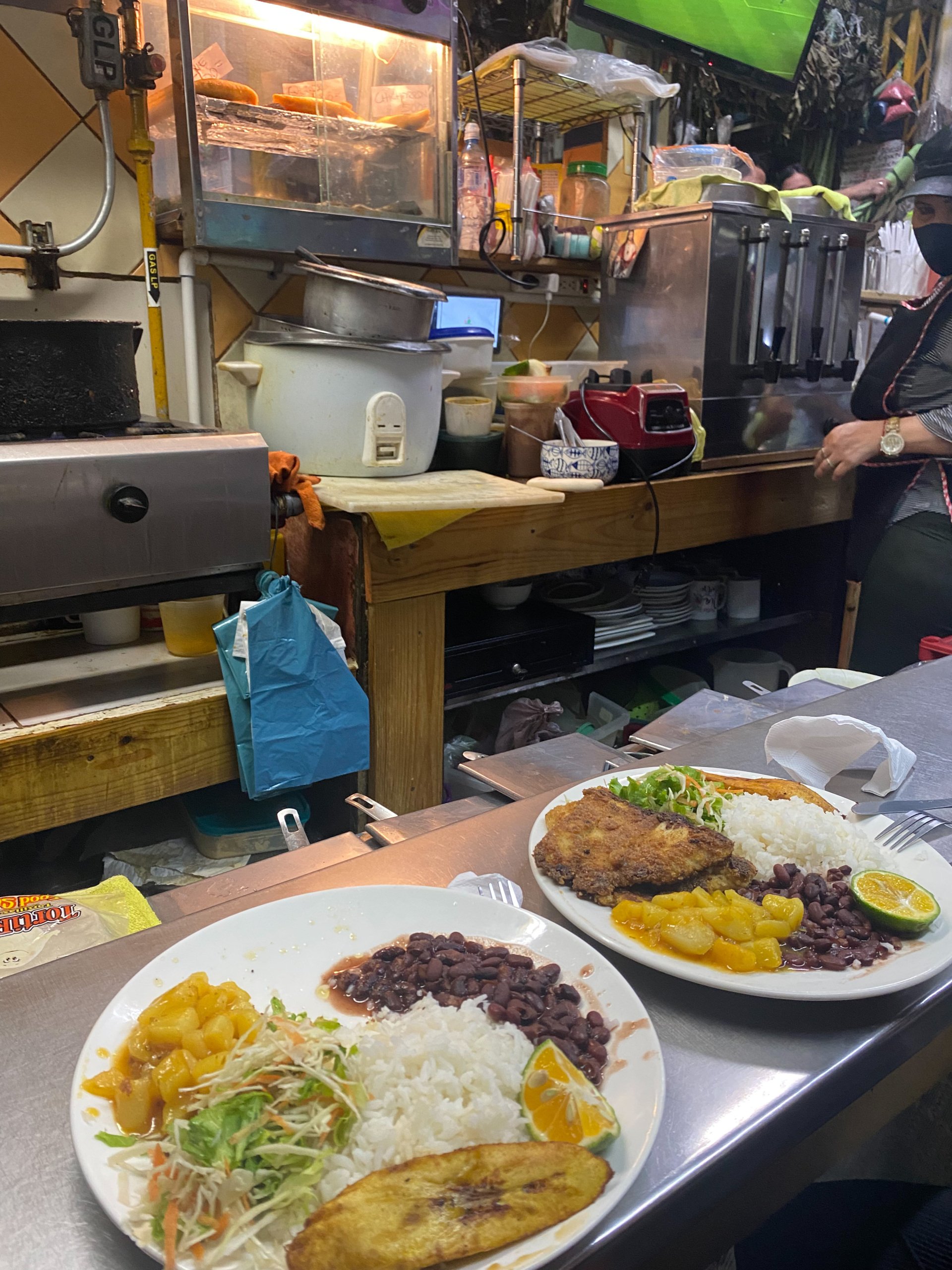
San José will most likely be your starting point in Costa Rica, centrally located in the highlands, with an international airport and good connections to every part of the country. I only spent one night here, but that was enough to get a first impression of city life, the colonial architecture and the lively markets.
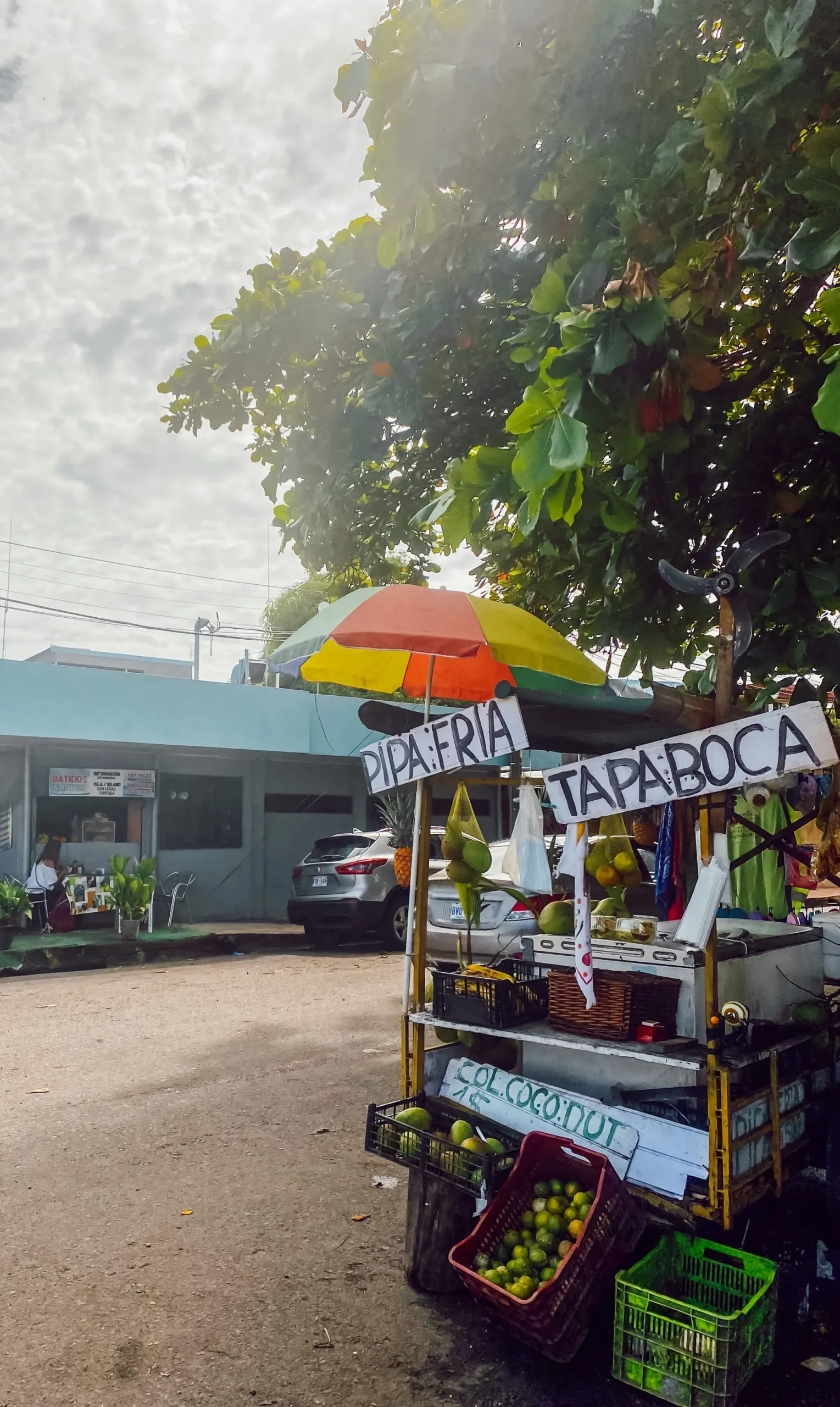
Santa Teresa and its quieter neighboring village Mal País together form one of the most beautiful stretches of coast on the Nicoya Peninsula, long sandy beaches, first-class surf conditions and a relaxed, international vibe. I spent several days here and enjoyed the perfect mix of surfing, yoga and fresh seafood at beach restaurants.
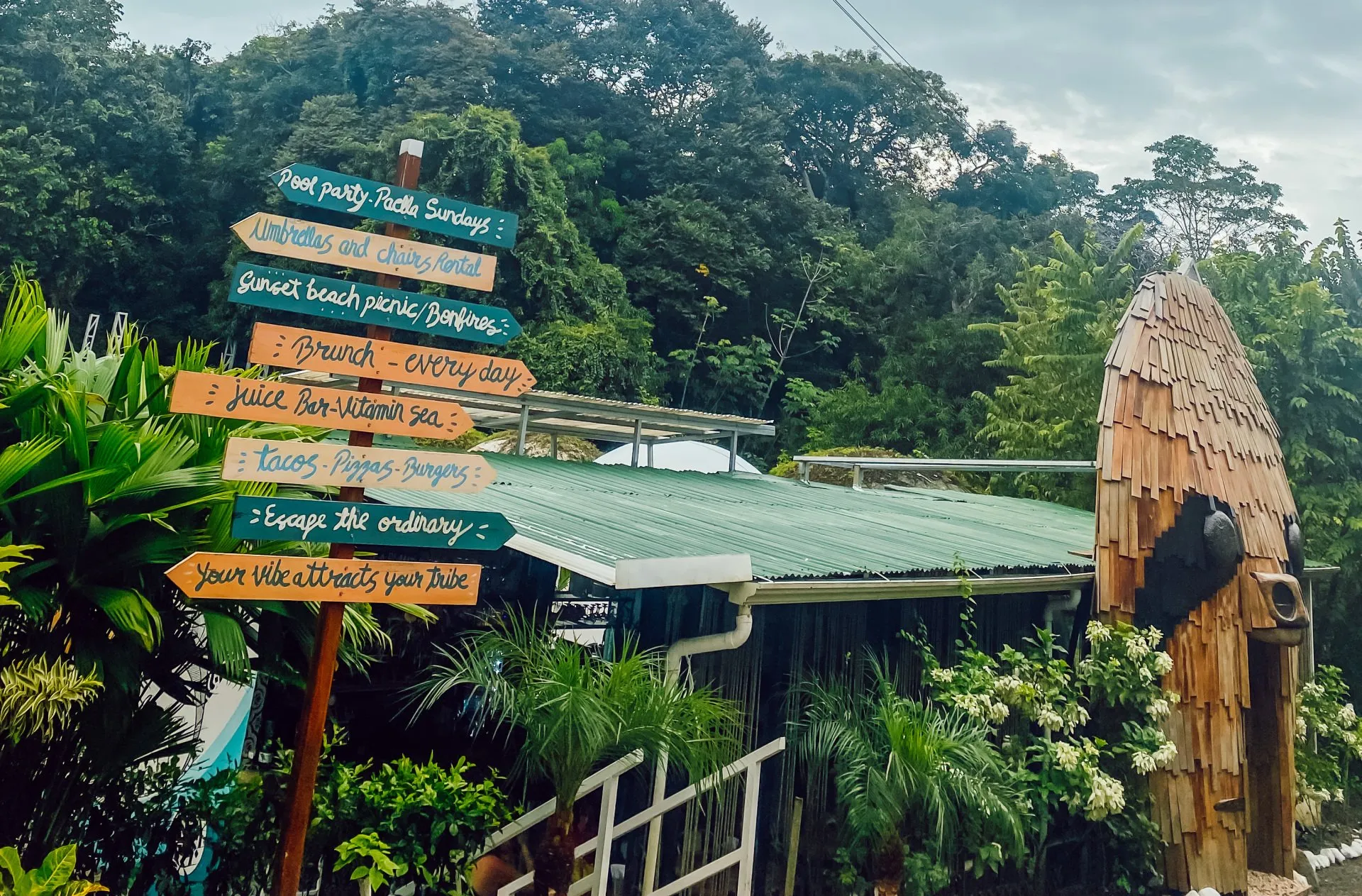
Manuel Antonio is one of Costa Rica's most popular destinations, no wonder, since dense rainforest meets dreamy beaches right here. The national park of the same name is small but incredibly species-rich: I had my best wildlife sightings of the whole trip here, from sloths to curious capuchin monkeys.
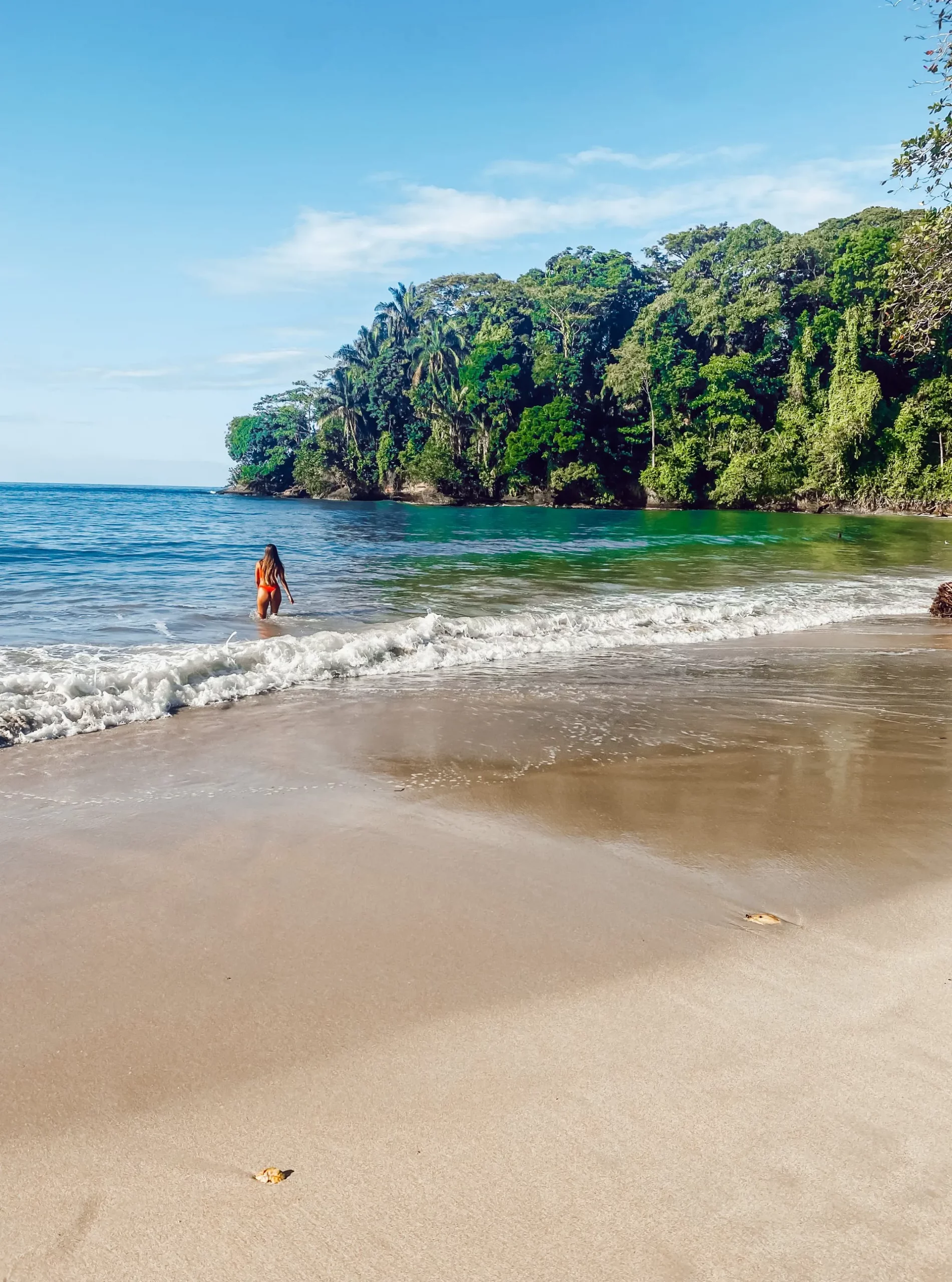
Culturally, Puerto Viejo is a completely different Costa Rica than the Pacific coast: African, Indigenous and European influences blend here into a relaxed reggae atmosphere with Caribbean flair. Together with its proximity to Cahuita National Park, this was the perfect ending to my trip for me, away from the classic tourist routes.
From simple hostels to guesthouses with a yoga deck to jungle lodges in the middle of the rainforest, Costa Rica has it all. I especially remember the small, nature-close accommodations on the edge of the national parks fondly, there I had monkeys and toucans right outside my window in the morning.
The cuisine is down to earth: gallo pinto (rice with beans), grilled meat, fresh fish and tropical fruit. The best and cheapest food is found in the 'sodas', small family-run restaurants, or at local markets like the Mercado Central in San José. Tap water is considered safe in most regions, in remote areas I'd drink bottled water to be safe.
The life motto 'Pura Vida' shapes the whole country, it stands for ease and joy of life and is used equally as a greeting, a thank you and an agreement. Costa Ricans (Ticos) are known as especially friendly and helpful toward travelers.