Reiseroute
New Zealand packs an extraordinary range of landscapes onto two main islands: snow-capped alps and active volcanoes, dense rainforests, dramatic fjords and endless coastlines. Hardly any other country offers such a huge variety of natural scenery in such a small space.
Māori culture still visibly shapes the country today, from the language to art to traditions like the haka. Combined with the low population density and well-developed tourist infrastructure, New Zealand is one of the most popular long-haul destinations for nature lovers and active travelers.
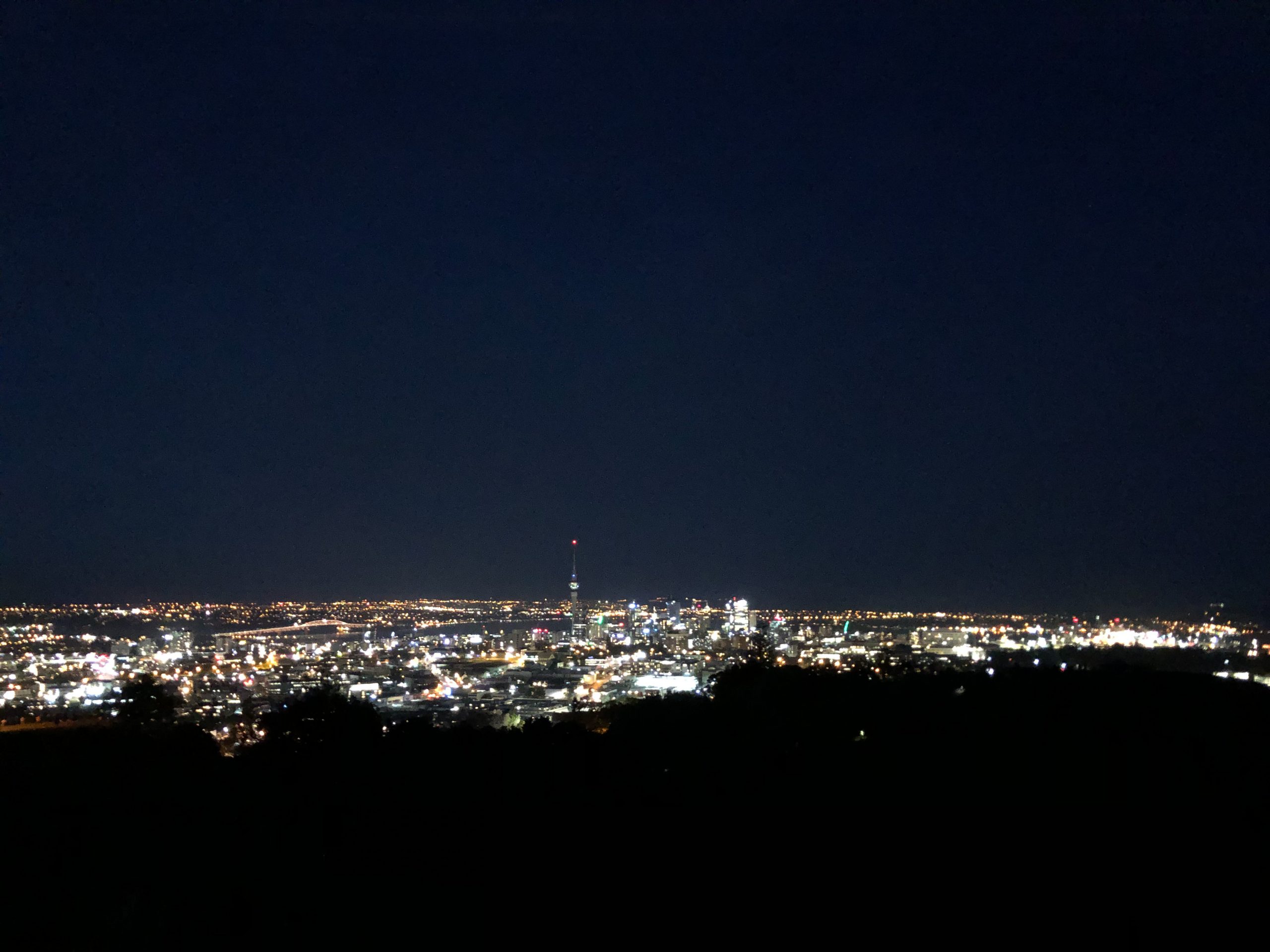
New Zealand's largest city, sitting between two harbors, with a skyline, plenty of extinct volcanic cones and good connections to the surrounding islands. This is where our four-week road trip around the North Island began in November 2023.
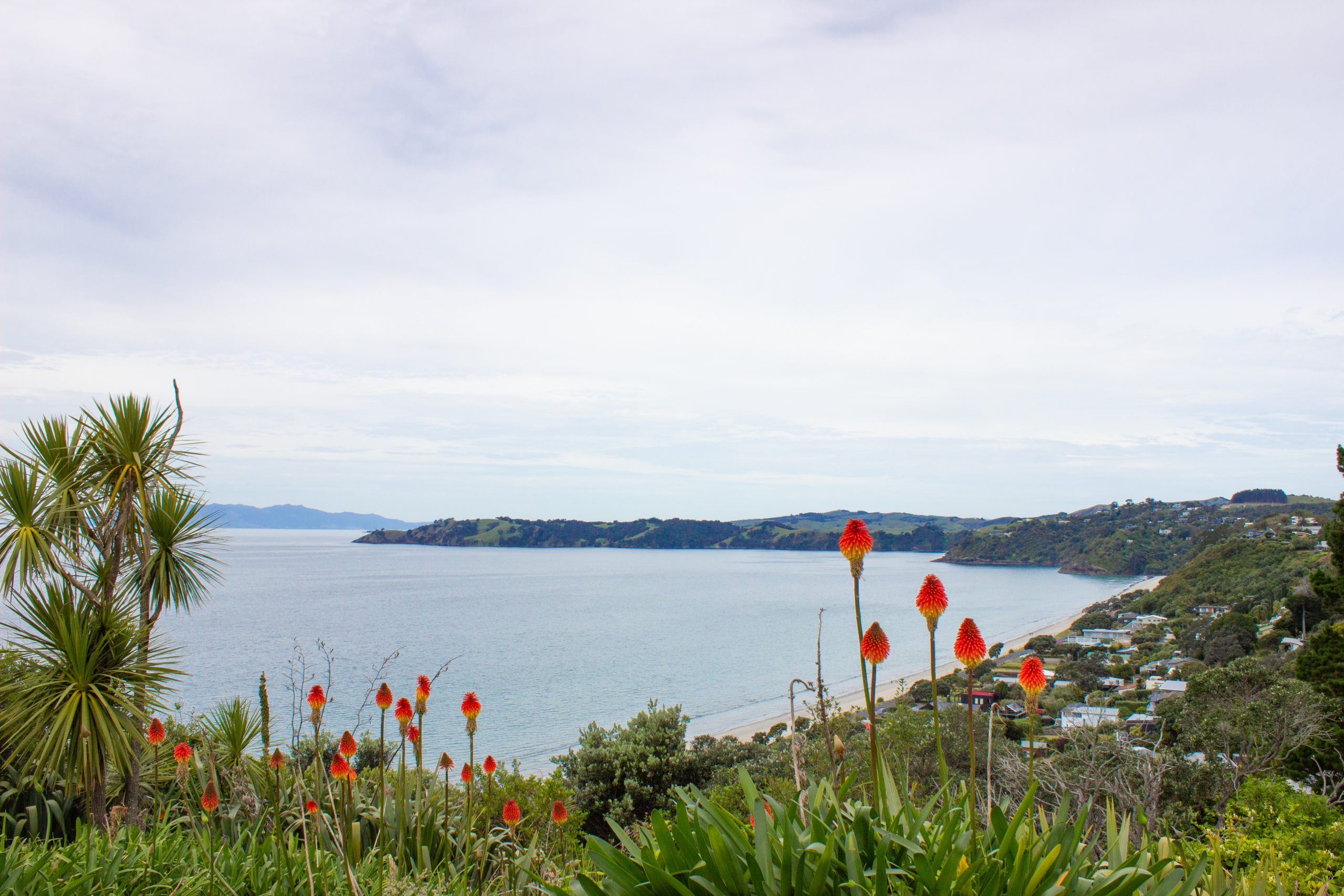
Just around 40 minutes by ferry from central Auckland, the island wins you over with picturesque bays, green rolling hills, wineries and a wonderfully calm island atmosphere.
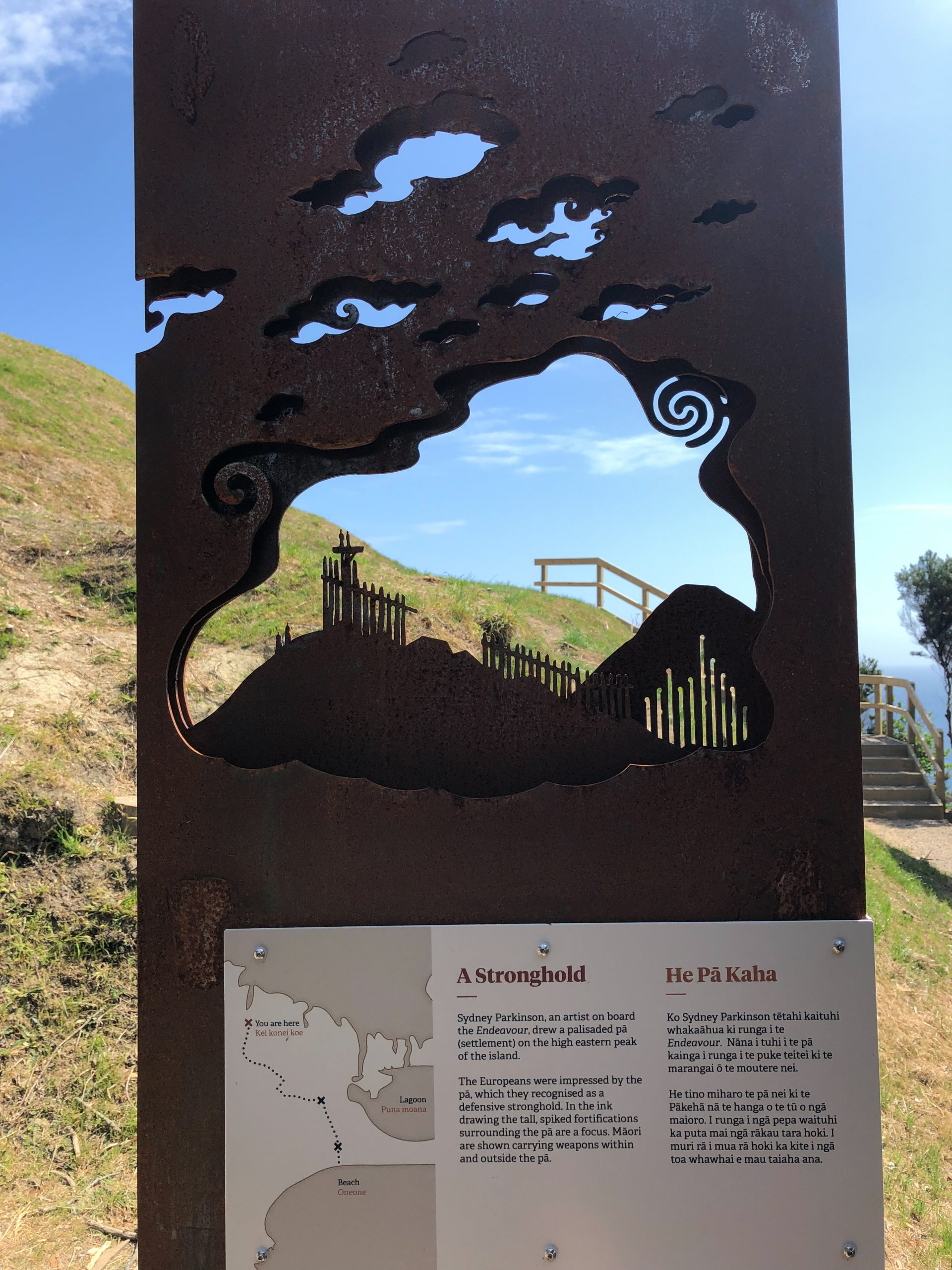
A manageable little town in the north and the ideal starting point for trips into the island world of the Bay of Islands, with a beach, promenade and cafés for a relaxed stopover.
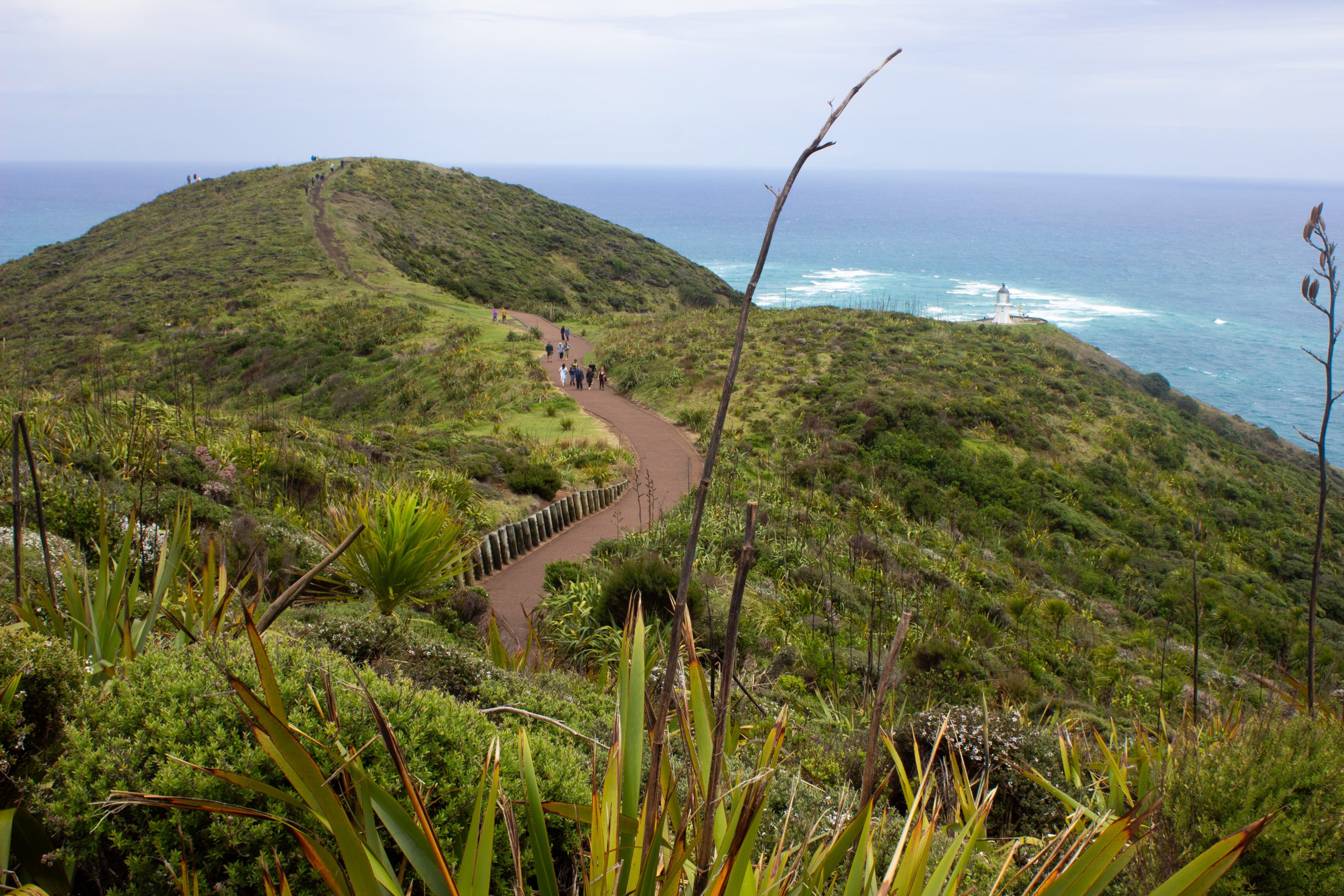
The northernmost accessible point of the North Island and one of New Zealand's most symbolic places: here the Tasman Sea and the Pacific Ocean collide, and for Māori, Cape Reinga (Te Rerenga Wairua) is the place where the spirits of the dead begin their final journey.
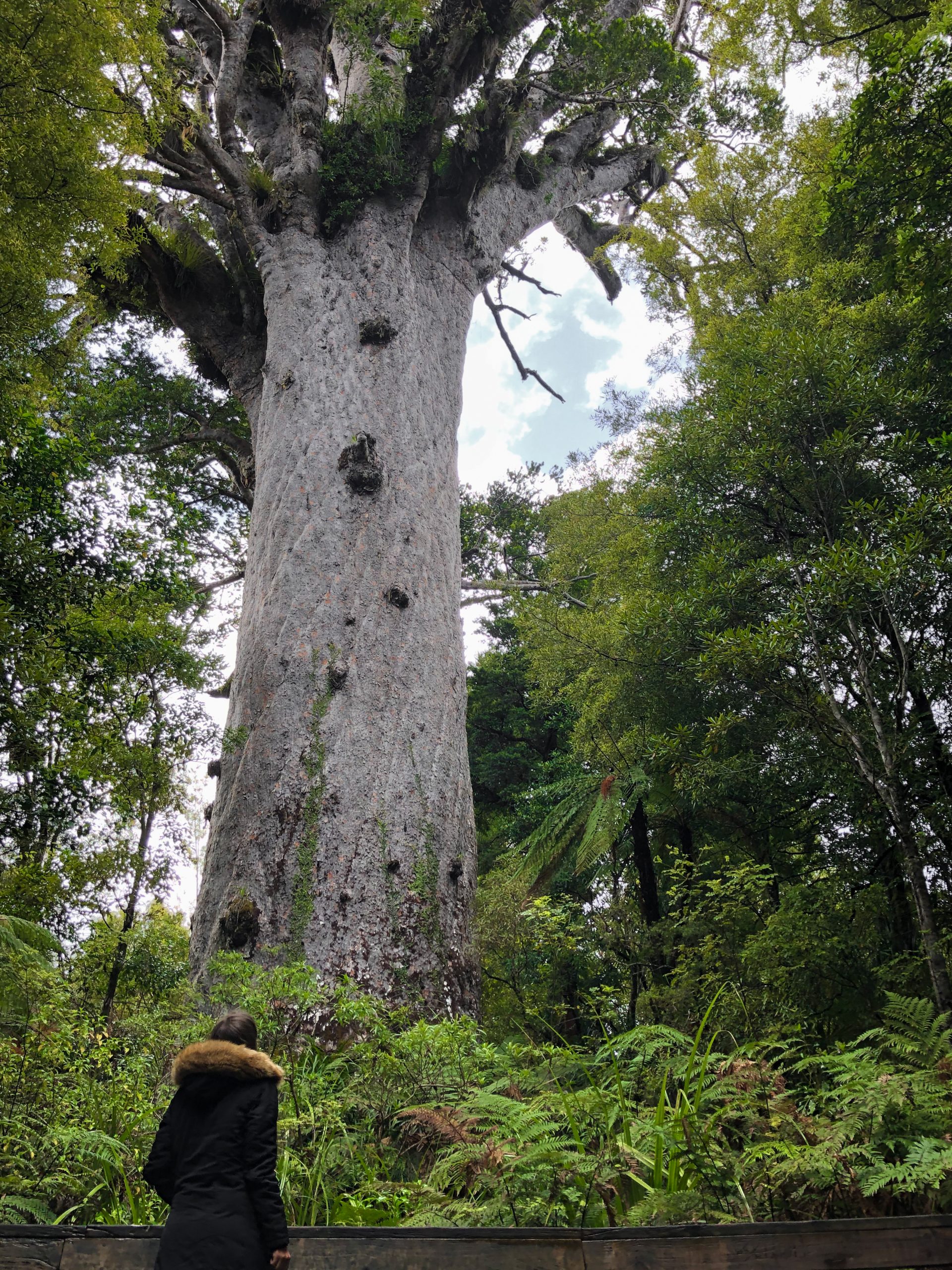
One of the last great kauri forests of New Zealand, home to Tāne Mahuta, the country's largest living kauri tree and a sacred symbol for Māori.
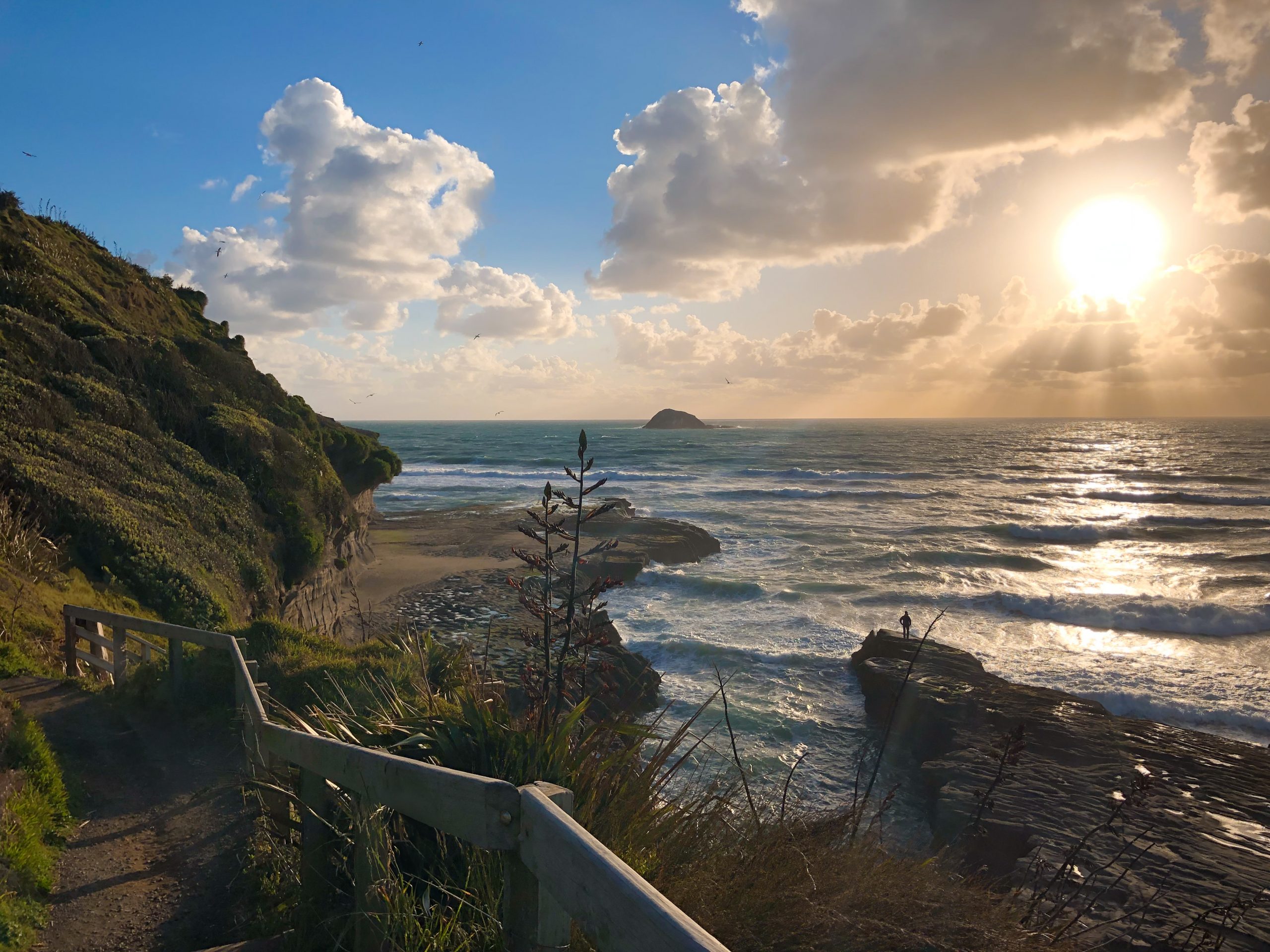
An impressive black-sand beach on the west coast, around 60 kilometers long, famous for its gannet colony at Ōtakamiro Point, which draws thousands of birds every year.
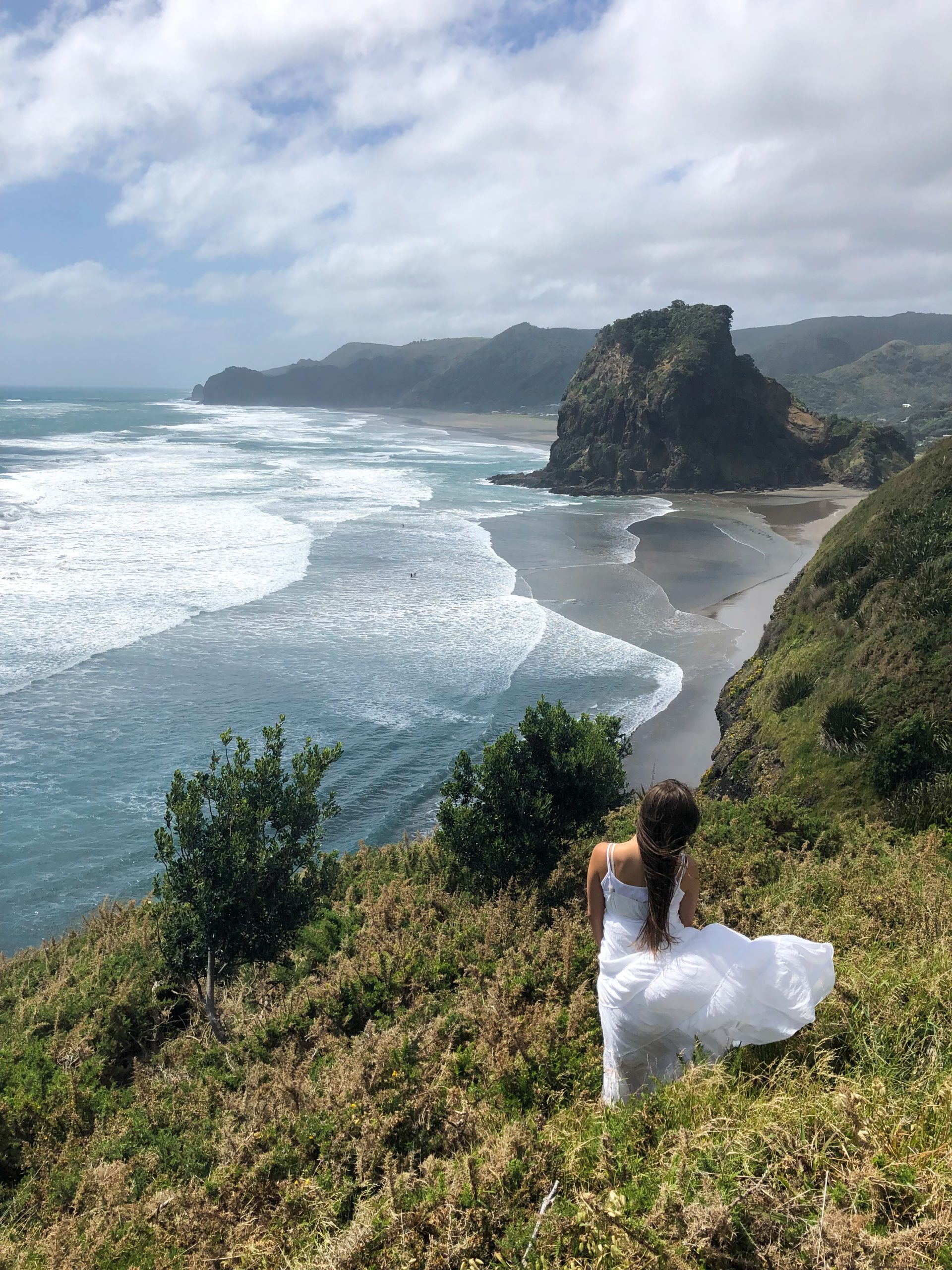
A spot with black volcanic sand and powerful surf, popular with experienced surfers, with the striking Lion Rock as a landmark and several hiking trails in the neighboring Waitākere Ranges.
%22%2F%3E%0A%20%20%20%20%3C%2Fsvg%3E)
A young, lively city centered around Waikato University, with nice cafés, green parks and the impressive Hamilton Gardens, but above all the ideal starting point for a day trip to the world-famous Waitomo Caves.
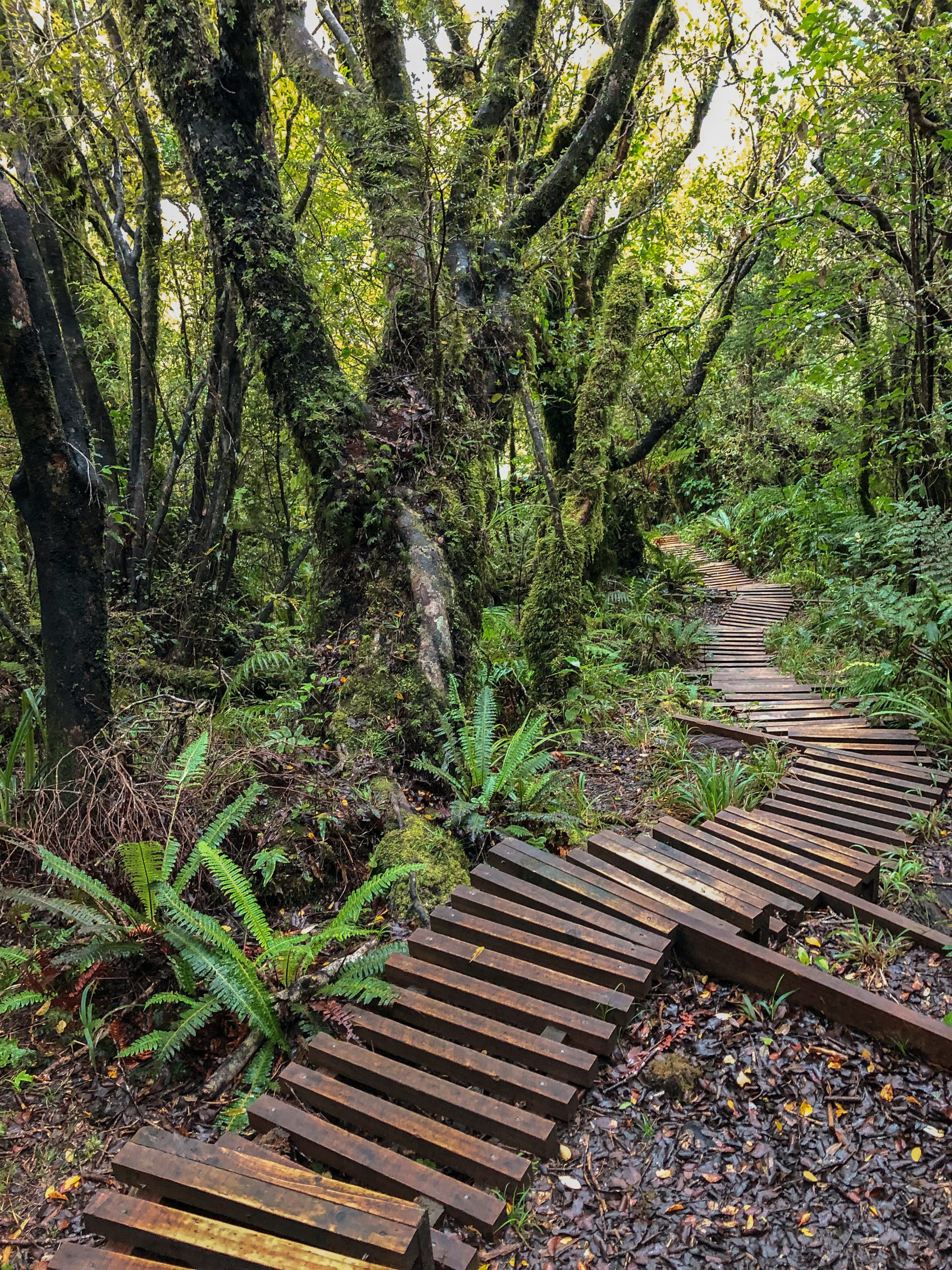
A city on the west coast with a coastal walkway more than 10 kilometers long and the Len Lye Centre for modern art, but above all the starting point for the impressive Mount Taranaki volcano in Egmont National Park.
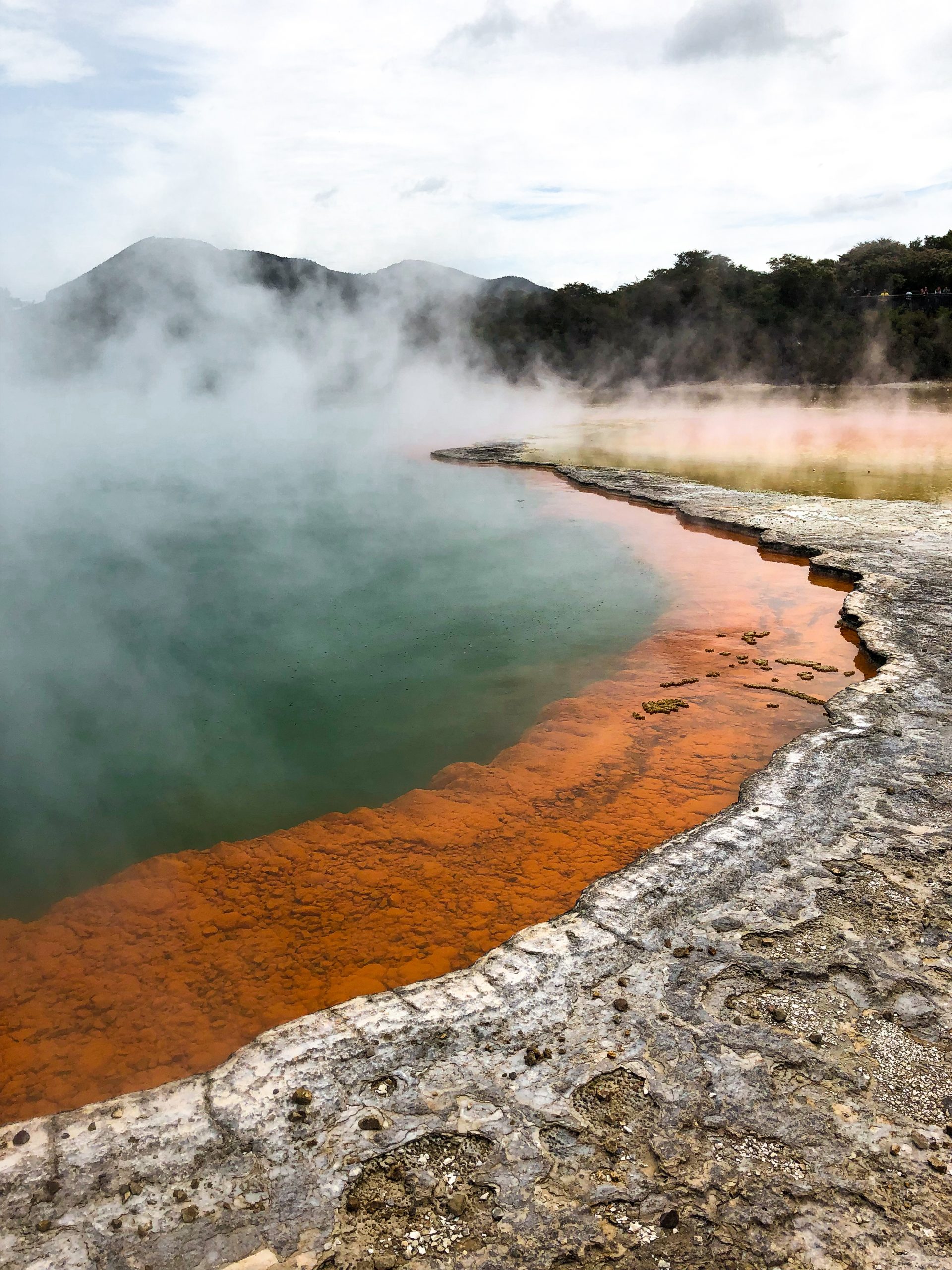
A lively town on the shore of Lake Taupō, popular for hiking, mountain biking and water sports, surrounded by waterfalls, hot springs and volcanic landscapes, a good starting or finishing point for the Tongariro Alpine Crossing.
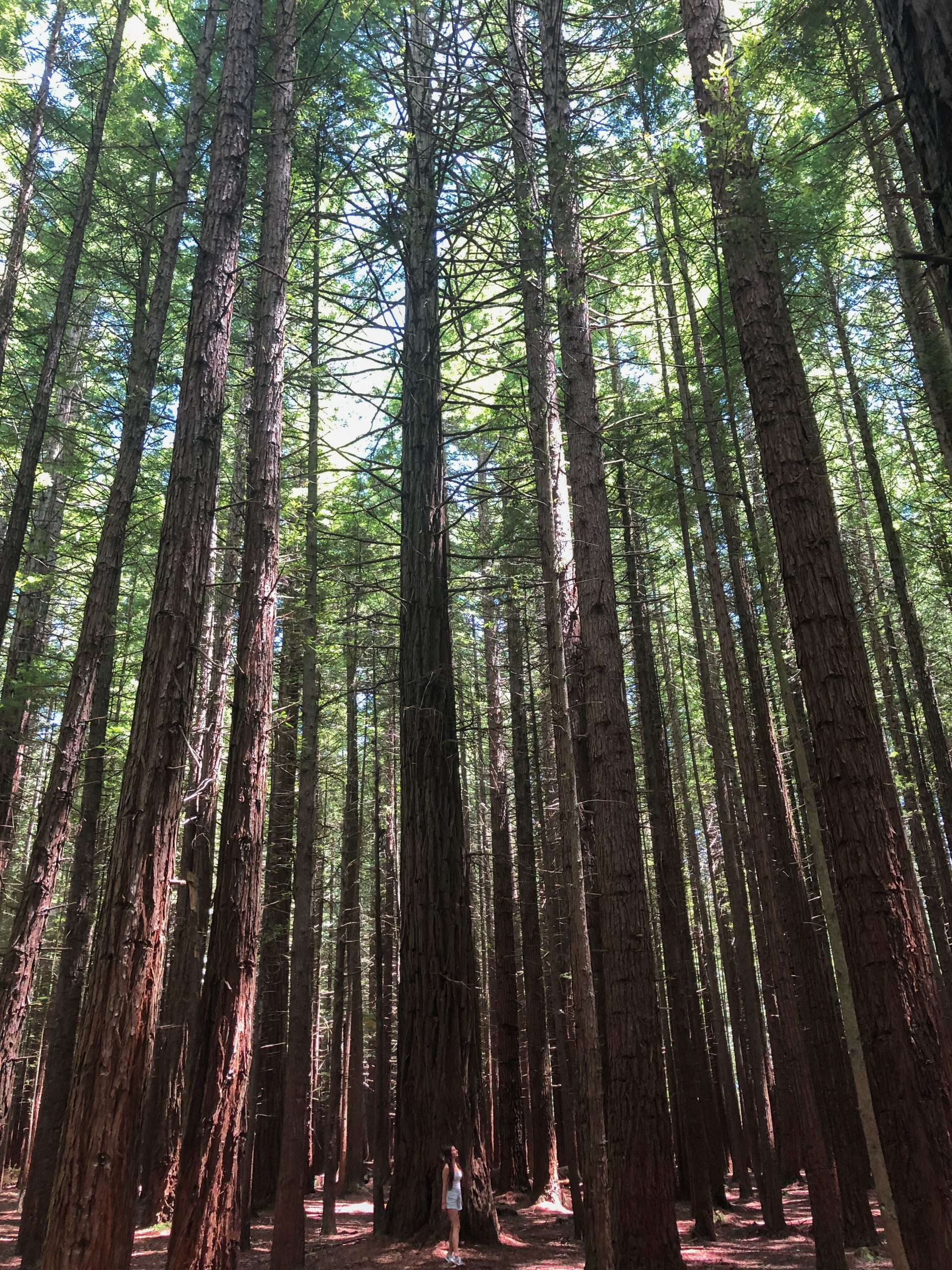
About 1 hour by car from Taupo (around 80 km): Rotorua is famous for its geothermal activity right in the middle of town, with rising steam clouds, hot springs, bubbling mud pools and active geysers.
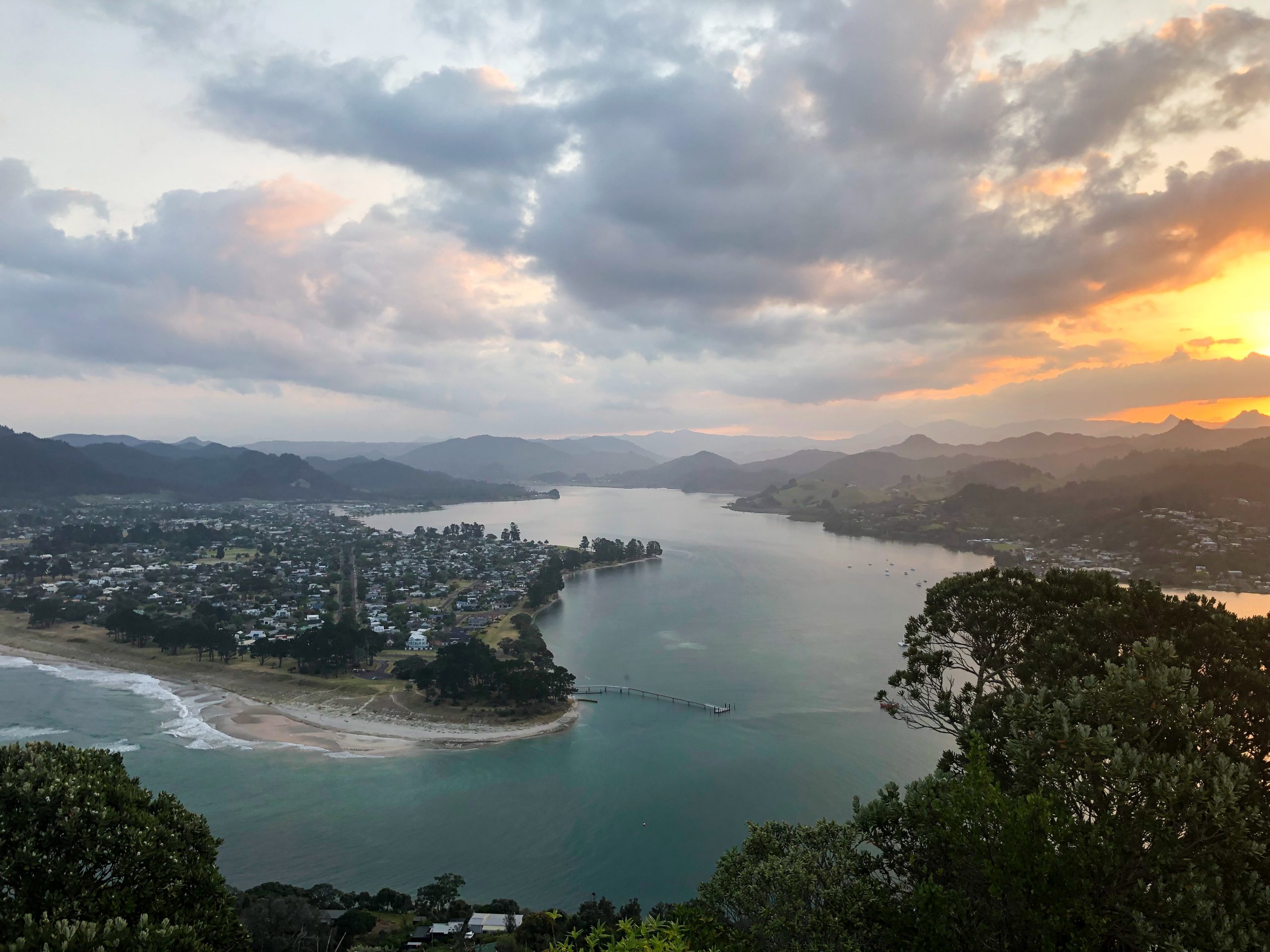
A popular stopover on the east coast of the Coromandel Peninsula, known for its relaxed atmosphere, its long sandy beach and the striking Mount Paku, an extinct volcanic cone with a great view.
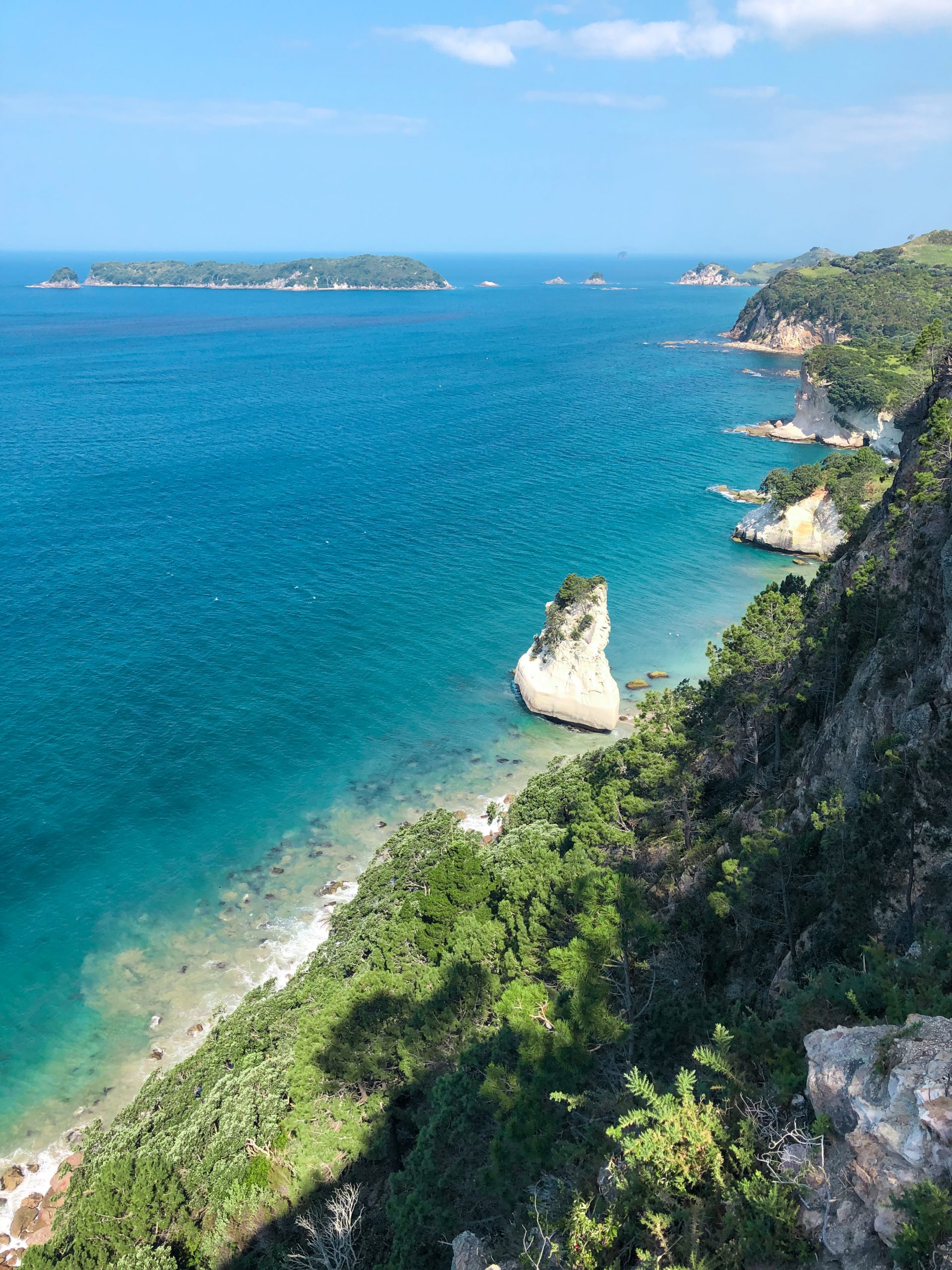
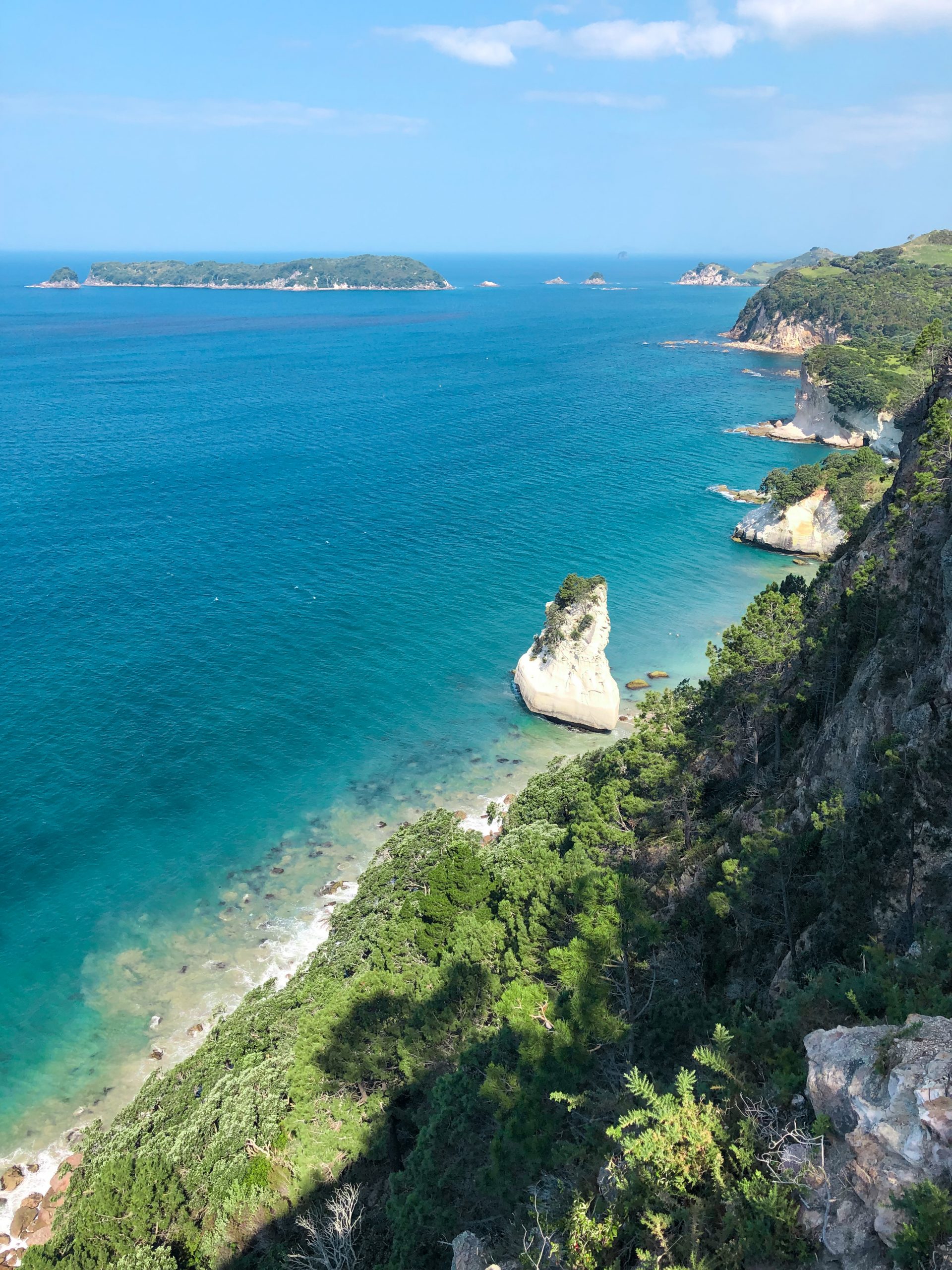
A small coastal town about 10 minutes south of Tairua, known above all as the starting point for the famous Cathedral Cove, a natural rock archway right on the sea. Hahei's own beach offers white sand, clear water and sits right on the Te Whanganui-A-Hei Marine Reserve.
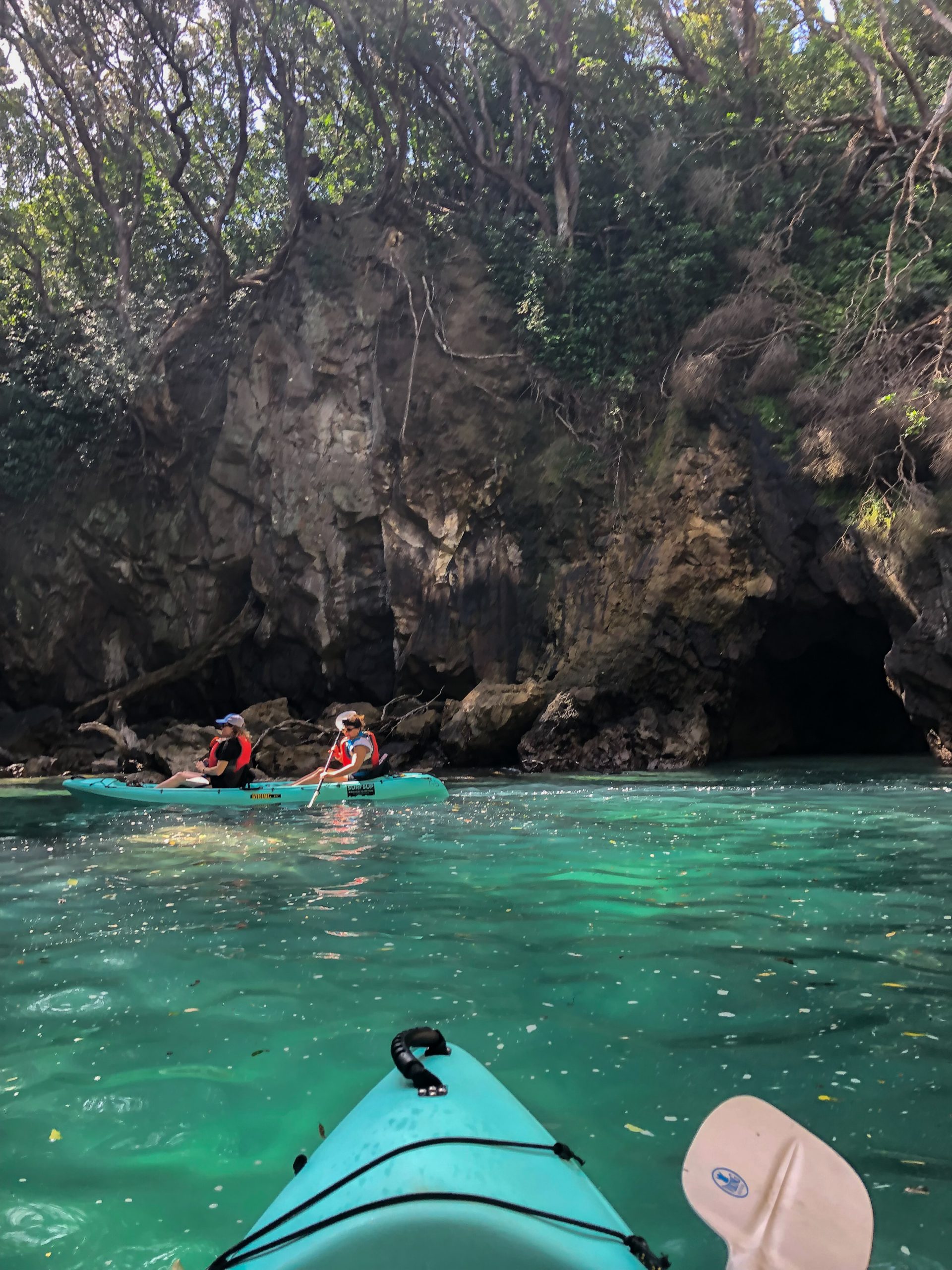
A popular surf and beach town on the southeastern coast of the Coromandel Peninsula, known for its long sandy beaches and good surf conditions, popular with locals and travelers in summer, but usually more relaxed than other coastal towns.
There are no direct flights from Germany to New Zealand, expect around 24–30 hours of travel time including one or two layovers (e.g. via Asia or the Middle East). Within the country, a rental car or campervan is the most common way to get around, since public transport is limited outside the cities.
The range is huge, from hostels to motels to lodges. Campervans are especially popular with travelers, and the corresponding sites (Holiday Parks) are well developed nationwide.
The cuisine is internationally influenced, with a strong focus on fresh, regional produce, especially lamb, seafood and wine from regions like Marlborough or Central Otago. Tap water is safe to drink nationwide.
Māori culture is a firmly established part of public life, for example at welcome ceremonies (Pōwhiri) or the haka. Respectful treatment of nature and local traditions is taken very seriously, many natural sites hold special spiritual significance for Māori.